Choosing the best commercial auto insurance is a critical decision for any business that relies on vehicles. At Insurance Brokers of Arizona®, we understand the complexities involved in selecting the right coverage for your fleet.

This guide will walk you through the essential factors to consider, from understanding different types of coverage to assessing your specific business needs. We’ll help you navigate the process of securing comprehensive protection for your commercial vehicles.

What Is Commercial Auto Insurance?

Definition and Purpose

Commercial auto insurance protects businesses that use vehicles for work-related purposes. This specialized policy offers more extensive coverage than personal auto insurance. It safeguards companies of all sizes against potential financial losses related to their vehicle operations.

Types of Vehicles Covered

Commercial auto policies typically cover a wide range of vehicles used for business purposes, including:

  • Company cars
  • Trucks
  • Vans
  • Specialized vehicles (e.g., food trucks, delivery vehicles)
Checklist of vehicle types covered by commercial auto insurance: company cars, trucks, vans, and specialized vehicles.

The Insurance Information Institute states that any vehicle used primarily for business operations should have commercial coverage.

Key Differences from Personal Policies

Commercial auto insurance differs from personal policies in several ways:

  1. Higher liability limits: Commercial policies often provide coverage in the millions, compared to personal policies that might cap at $300,000.
  2. Broader coverage scope: These policies address specific business risks and operations.
  3. Multiple vehicle coverage: A single policy can cover an entire fleet of vehicles.

Tailoring Coverage to Business Needs

Different businesses require different types of coverage. For example:

  • A construction company might need coverage for heavy equipment transport.
  • A catering business would focus on protection for food delivery vehicles.

The National Association of Insurance Commissioners reports that tailored policies can significantly reduce the risk of underinsurance for businesses.

Importance of Professional Guidance

Selecting the right commercial auto insurance requires careful consideration of your business’s unique needs. Working with experienced insurance professionals (like those at Insurance Brokers of Arizona®) can help ensure you get appropriate coverage without paying for unnecessary extras. These experts can analyze your specific operations and recommend a policy that provides comprehensive protection for your commercial vehicles.

As we move forward, let’s examine the critical factors you should consider when choosing your commercial auto insurance coverage.

What Shapes Your Commercial Auto Insurance Needs?

Business Operations and Industry

Your industry and specific business activities significantly influence your insurance needs. A construction company that transports heavy equipment faces different risks than a florist making local deliveries. The Insurance Information Institute reports that businesses in high-risk industries (such as transportation or construction) often require more comprehensive coverage and may face higher premiums.

Fleet Composition

The size and makeup of your vehicle fleet directly affect your insurance requirements. A company with a single delivery van will have vastly different needs compared to a logistics firm managing a fleet of 50 semi-trucks. The National Association of Insurance Commissioners recommends that businesses conduct regular fleet audits to ensure their coverage aligns with their current vehicle inventory.

Driving Patterns and Geography

Your employees’ driving habits and the areas they frequent are significant factors. Urban deliveries in high-traffic areas present different risks than long-haul interstate trucking. The Federal Motor Carrier Safety Administration notes that businesses operating in multiple states may need to meet varying insurance requirements, potentially necessitating a more complex policy.

Cargo Value and Type

The value and nature of the cargo you transport can dramatically impact your insurance needs. Transporting hazardous materials or high-value goods requires specialized coverage. The American Trucking Associations emphasizes the importance of cargo insurance, especially for businesses moving expensive or sensitive items.

Risk Assessment and Management

A thorough assessment of these elements is essential for securing the right coverage. We recommend you work closely with an experienced insurance professional who can help you navigate these complexities and tailor a policy that truly fits your business needs. Insurance Brokers of Arizona® (with partnerships with over 40 reputable carriers) can provide competitive options for your commercial auto insurance needs.

Hub and spoke diagram showing factors that influence commercial auto insurance needs: business operations, fleet composition, driving patterns, cargo value, and risk assessment. - best commercial auto insurance

As we move forward, let’s examine the essential coverage options you should consider including in your commercial auto insurance policy.

Essential Coverage Options for Commercial Auto Insurance

Liability Coverage: The Core of Your Policy

Liability coverage forms the foundation of any commercial auto insurance policy. It protects your business if your vehicles cause injury or property damage to others. The National Association of Insurance Commissioners suggests a minimum of $1 million in liability coverage for most businesses. Higher limits may be necessary depending on your industry and risk exposure.

Asset Protection: Collision and Comprehensive Coverage

While liability coverage protects against damage you cause to others, collision and comprehensive coverage protect your own vehicles. Collision insurance covers damage from accidents with other vehicles or objects. Comprehensive insurance protects against theft, vandalism, and natural disasters. The American Trucking Associations emphasizes that businesses with valuable fleets should prioritize these coverages to protect their assets.

Protection Against Uninsured Drivers

Uninsured and underinsured motorist coverage is often overlooked but can prove vital. The Insurance Research Council reports that about 1 in 8 drivers on the road lack insurance. This coverage protects your business if your vehicles become involved in accidents with drivers who lack adequate insurance.

Beyond Your Fleet: Non-Owned and Hired Auto Coverage

Non-owned auto liability covers your business when employees use their personal vehicles for work purposes. Hired auto physical damage coverage protects vehicles your business rents or leases. The Risk and Insurance Management Society notes that these coverages are particularly important for businesses that frequently rent vehicles or rely on employee-owned cars for work-related tasks (e.g., sales representatives or consultants).

Specialized Coverage Options

Depending on your business type, you may need specialized coverage options. For example, motor truck cargo coverage protects goods in transit, while garage keepers coverage is essential for businesses that service vehicles. Try to work with an insurance provider (such as Insurance Brokers of Arizona®) that offers a wide range of specialized coverage options to meet your unique needs.

Ordered list of 5 essential coverage options for commercial auto insurance: liability, collision and comprehensive, uninsured motorist, non-owned and hired auto, and specialized coverage. - best commercial auto insurance

Final Thoughts

Selecting the best commercial auto insurance demands a thorough evaluation of your business’s specific requirements. Your fleet composition, business activities, and cargo value all play a role in determining the ideal policy for your company. Regular policy reviews help maintain comprehensive protection and can lead to cost savings as your operations evolve.

An experienced insurance broker can simplify the process of finding and maintaining the best commercial auto insurance for your business. At Insurance Brokers of Arizona®, we offer competitive options tailored to your specific needs. Our expertise in commercial auto insurance ensures you receive a comprehensive risk management solution for your business vehicles.

The right commercial auto insurance protects your assets, employees, and business’s future. It goes beyond meeting legal requirements to provide peace of mind. Take the time to understand your options and work with knowledgeable professionals to secure a policy that allows you to focus on growing your business.

General Comprehensive Liability Insurance is a cornerstone of business protection. This essential coverage safeguards companies from financial losses due to third-party claims of bodily injury, property damage, and personal and advertising injury.

At Insurance Brokers of Arizona®, we understand the critical role this insurance plays in protecting your business assets and reputation. In this post, we’ll break down the key components of General Comprehensive Liability Insurance and explain why it’s a must-have for most businesses.

What Is General Comprehensive Liability Insurance?

Definition and Core Components

General Comprehensive Liability Insurance, also known as Commercial General Liability (CGL) insurance, provides essential protection for businesses against financial losses from third-party claims. This policy covers bodily injury, property damage, and personal and advertising injury claims. It acts as the primary defense for companies facing lawsuits related to these issues.

Key Coverage Areas

CGL policies typically encompass four main areas:

  1. Premises Liability: Protects against incidents on your property
  2. Operations Liability: Covers damages during business operations
  3. Products Liability: Safeguards against claims from products you manufacture or sell
  4. Completed Operations Liability: Protects you after job or project completion

Policy Limits and Deductibles

CGL policies include aggregate limits (capping the total insurer payout for all claims in a policy period, usually annually) and per-occurrence limits (restricting the payout for any single incident). Businesses must carefully consider these limits based on their risk exposure. The Insurance Information Institute reports that the average general liability claim for small businesses amounts to approximately $75,000, underscoring the importance of adequate coverage.

Who Needs This Insurance?

Almost every business, regardless of size or industry, should consider CGL insurance. It’s particularly important for:

  1. Businesses with public-facing physical locations
  2. Companies that manufacture or sell products
  3. Contractors and service providers working on client property

Even home-based businesses face liability risks. A study by The Hartford found that 40% of small business owners will likely experience a property or liability claim within the next decade.

Chart showing the likelihood of small businesses experiencing a property or liability claim within a decade - general comprehensive liability insurance

The Role of Insurance Brokers

Insurance brokers (such as Insurance Brokers of Arizona®) play a crucial role in helping businesses select the right CGL policy. They can assess a company’s specific risks, recommend appropriate coverage limits, and compare policies from multiple insurers to find the best fit. Their expertise can prove invaluable in navigating the complexities of liability insurance and ensuring comprehensive protection.

As we move forward, let’s examine the specific types of coverage provided by General Comprehensive Liability Insurance and how they protect your business from various risks.

What Does General Comprehensive Liability Insurance Cover?

Bodily Injury and Property Damage Protection

General Comprehensive Liability Insurance shields businesses from claims of bodily injury and property damage. This coverage activates when business operations or products harm others or their property. For example, if a customer falls in your store or an employee damages a client’s property during service, your policy covers the resulting claims.

The Insurance Information Institute reports that the average general liability claim for bodily injury and property damage amounts to approximately $20,000. This statistic highlights the necessity of adequate coverage to protect businesses from potentially devastating expenses.

Chart illustrating the average cost of general liability claims for bodily injury and property damage

Personal and Advertising Injury Coverage

Businesses face increasing risks related to personal and advertising injury in the digital era. This coverage protects against claims of libel, slander, copyright infringement, and invasion of privacy. For instance, if your marketing campaign uses copyrighted material without permission or a competitor claims your advertising damaged their reputation, your policy covers the legal costs and potential settlements.

Medical Payments Provision

General Comprehensive Liability Insurance typically includes a medical payments provision. This coverage addresses immediate medical expenses for injuries sustained on your business premises, regardless of fault. It aims to resolve minor incidents quickly without litigation, potentially saving your business from more costly claims in the future.

Legal Defense and Settlement Cost Coverage

One of the most valuable aspects of this insurance is the coverage for legal defense costs. If your business faces a lawsuit covered by the policy, your insurer pays for your legal representation and court fees. This protection proves invaluable for small businesses, as legal costs can escalate rapidly. The Insurance Information Institute states that the average cost of a slip and fall claim reaches $20,000 in medical costs and $50,000 in legal fees if the case goes to court.

Tailored Coverage Options

Every business has unique risks and needs. Insurance professionals work closely with clients to ensure they have the right level of coverage to protect against potential liabilities. These experts help navigate the complexities of General Comprehensive Liability Insurance and tailor policies to fit specific business requirements.

While General Comprehensive Liability Insurance offers broad protection, it’s important to understand its limitations. The next section will explore common exclusions in general liability policies and additional coverage options to consider for comprehensive protection.

Understanding Policy Limitations and Exclusions

Common Policy Exclusions

General Comprehensive Liability Insurance provides essential protection for businesses, but it does not cover everything. Most policies exclude coverage for certain high-risk activities or industries. For example, if an employee deliberately damages a client’s property, the policy won’t cover it. Work-related injuries to employees fall under workers’ compensation insurance, not general liability.

Professional errors or negligence (often a concern for service-based businesses) typically require separate professional liability insurance. The Insurance Information Institute reports that professional liability claims average $50,000, which highlights the need for this additional coverage.

Addressing Coverage Gaps

To address these limitations, businesses often need to consider additional insurance products. Cyber liability insurance has become increasingly important. With the average cost of a data breach reaching $4.35 million in 2022 (according to IBM’s Cost of a Data Breach Report), this coverage is essential for businesses handling sensitive data.

Chart showing the average cost of a data breach in 2022 - general comprehensive liability insurance

Product liability insurance is another key consideration for manufacturers and retailers. The U.S. Consumer Product Safety Commission reports over 11 million product-related injuries annually, which underscores the potential risks businesses face without this coverage.

Regular Policy Reviews

Insurance needs change as businesses grow and evolve. Regular policy reviews help ensure your coverage aligns with your current risks. The National Association of Insurance Commissioners recommends annual insurance reviews at minimum.

During these reviews, it’s important to discuss any changes in your business operations, revenue, or property with your insurance broker. For instance, if you’ve expanded your services or increased your client base, you might need higher coverage limits.

Tailoring Coverage to Your Business

Every business has unique risks and needs. Insurance professionals work closely with clients to ensure they have the right level of coverage to protect against potential liabilities. These experts help navigate the complexities of General Comprehensive Liability Insurance and tailor policies to fit specific business requirements.

The Role of Insurance Brokers

Insurance brokers (such as Insurance Brokers of Arizona®) play a vital role in helping businesses select the right General Comprehensive Liability policy. They can assess a company’s specific risks, recommend appropriate coverage limits, and compare policies from multiple insurers to find the best fit. Their expertise can prove invaluable in navigating the complexities of liability insurance and ensuring comprehensive protection.

Final Thoughts

General Comprehensive Liability Insurance protects businesses from financial losses due to third-party claims. It covers bodily injury, property damage, and personal and advertising injury claims, which allows companies to operate with confidence. This essential coverage safeguards business assets, maintains reputation, and often serves as a prerequisite for securing contracts or leases.

Expert guidance proves invaluable when navigating the complexities of insurance policies. Insurance Brokers of Arizona® offers personalized insurance solutions tailored to specific needs. Their team of experienced professionals will assess unique risks, explain coverage options, and help select a policy that provides optimal protection for your business.

Don’t wait for a claim to realize the importance of General Comprehensive Liability Insurance. Take action today to secure your business’s future. Contact Insurance Brokers of Arizona® to find the most comprehensive coverage at competitive rates (with access to over 40 reputable carriers).

At Insurance Brokers of Arizona®, we often field questions about the agreed value clause in commercial property insurance forms. This provision can significantly impact how claims are settled and premiums are calculated.

Understanding the agreed value clause is essential for business owners looking to protect their property investments effectively. In this post, we’ll explore its benefits, potential drawbacks, and how it compares to other valuation methods.

What Is an Agreed Value Clause?

Defining the Agreed Value Clause

An agreed value clause is a powerful tool in commercial property insurance that simplifies claim settlements. This endorsement establishes a predetermined value for insured property at the policy’s inception. This value becomes the basis for claim settlements, regardless of the property’s actual value at the time of loss. It differs from traditional valuation methods that rely on actual cash value or replacement cost calculations.

How It Differs from Other Valuation Methods

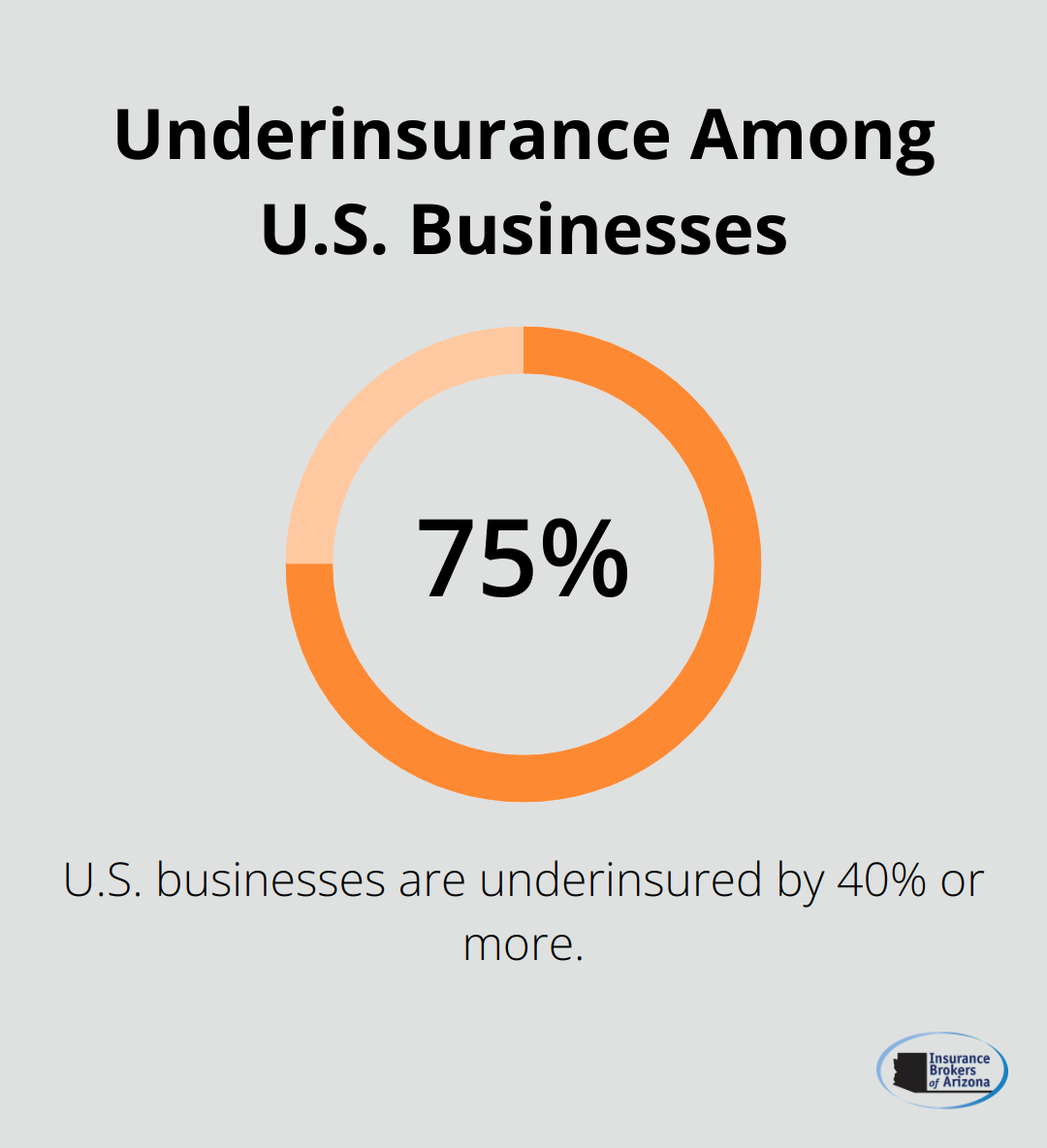
The agreed value clause waives the requirement of coinsurance clauses, which typically require properties to be insured to a specific percentage of their value. This prevents underinsurance penalties that often surprise business owners. A study by Marshall & Swift/Boeckh found that 75% of commercial buildings in the United States are underinsured by an average of 40% (a staggering figure that highlights the importance of proper valuation).

Chart showing 75% of commercial buildings in the US are underinsured by an average of 40%

When to Use Agreed Value

The agreed value clause proves particularly useful for businesses with unique or hard-to-value properties. It also benefits those operating in volatile markets where property values fluctuate significantly. According to the National Association of Insurance Commissioners, businesses that opt for agreed value clauses often experience smoother claim processes and fewer disputes with insurers.

Implementing Agreed Value in Your Policy

To implement an agreed value clause, you’ll need to work closely with your insurance provider. The process typically involves:

  1. Conducting a thorough property valuation
  2. Submitting a detailed Statement of Values (SOV)
  3. Reviewing and updating the SOV annually

While the agreed value clause can offer significant benefits, it’s not suitable for every business. It’s essential to weigh the pros and cons and consider your specific property and risk profile before making a decision.

The Role of Professional Guidance

Navigating the complexities of commercial property insurance requires expertise. Insurance professionals (such as those at Insurance Brokers of Arizona®) can provide valuable insights into whether an agreed value clause aligns with your business needs. They can help you understand the nuances of this option and guide you through the implementation process, ensuring you make an informed decision about your property insurance coverage.

Why Business Owners Benefit from the Agreed Value Clause

Elimination of Coinsurance Penalties

The agreed value clause in commercial property insurance removes coinsurance penalties. A study by the Insurance Information Institute reveals that nearly 40% of business owners lack awareness of coinsurance clauses in their policies. This lack of knowledge often leads to unexpected out-of-pocket expenses during claims. The agreed value clause eliminates this risk, ensuring full coverage up to the agreed amount.

Clear and Predictable Claim Settlements

An agreed value clause provides clarity about the payout in the event of a loss. This certainty proves invaluable for business continuity planning. According to a survey by the National Association of Insurance Commissioners, businesses with agreed value clauses experience 30% faster claim settlements compared to those without. This speed can make a significant difference in a business’s recovery after a loss.

Chart listing three key benefits of agreed value clauses in commercial property insurance - the agreed value clause in a commercial property insurance form

Simplified Insurance Management

The agreed value clause streamlines the insurance process considerably. It removes the need for complex calculations during claims and reduces disputes over property valuation. This simplification saves business owners valuable time and resources. A report from Risk Management Magazine indicates that companies using agreed value clauses spend (on average) 25% less time on insurance-related administrative tasks.

Enhanced Peace of Mind

With an agreed value clause, business owners can operate with greater confidence. They know exactly how much coverage they have, which allows for more accurate financial planning and risk management. This peace of mind is particularly valuable in industries where property values fluctuate significantly or for businesses with unique or hard-to-value assets.

Flexibility in Coverage

The agreed value clause offers flexibility that standard policies may lack. It allows businesses to insure property at a value that makes sense for their specific situation, rather than being bound by rigid formulas or market valuations. This flexibility can be particularly beneficial for businesses with specialized equipment or properties that have undergone significant improvements.

While the agreed value clause offers substantial benefits, it’s important to understand its implications fully. Regular property valuations become essential to ensure coverage remains adequate. Annual reviews of the agreed value help account for any changes in property worth or market conditions. The next section will explore potential drawbacks and considerations to keep in mind when opting for an agreed value clause.

What Are the Challenges of Agreed Value Clauses?

Higher Premium Costs

One of the primary considerations when choosing an agreed value clause is the increased cost. A report by the National Association of Insurance Commissioners indicates that policies with agreed value clauses typically come with premiums that are 10-15% higher than those without. This additional expense stems from the increased risk the insurer assumes by guaranteeing a specific payout amount (regardless of market fluctuations or depreciation).

Chart showing that policies with agreed value clauses have 10-15% higher premiums - the agreed value clause in a commercial property insurance form

Risk of Underinsurance

The agreed value clause provides certainty in claim settlements, but it can lead to underinsurance if property values increase significantly. The Insurance Information Institute reports that property values in some urban areas have risen by up to 20% in recent years. If businesses don’t update their agreed value regularly, they might find themselves with insufficient coverage in the event of a loss.

Frequent Valuation Requirements

Maintaining accurate property valuations is essential when using an agreed value clause. The Insurance Services Office (ISO) recommends annual property assessments to ensure coverage remains adequate. These frequent valuations can consume time and may require the services of professional appraisers, adding to the overall cost of insurance management.

Time and Resource Commitment

Businesses often underestimate the time and resources needed for regular property assessments. On average, clients spend 5-10 hours annually on valuation-related tasks when using agreed value clauses. This time commitment is an important factor to consider when weighing the benefits against the drawbacks.

Expertise Required

The challenges associated with agreed value clauses can be mitigated with proper planning and expert guidance. Working with experienced insurance professionals helps businesses navigate these potential pitfalls and determine whether an agreed value clause aligns with their specific needs and risk tolerance. Insurance Brokers of Arizona® stands out as a top choice for businesses seeking expert advice on agreed value clauses and other complex insurance matters.

Final Thoughts

The agreed value clause in a commercial property insurance form offers clarity and simplicity for business owners. It eliminates coinsurance penalties, streamlines claim settlements, and provides peace of mind in a changing property market. However, this option comes with higher premiums and requires regular property assessments.

We recommend a thorough evaluation of your property’s characteristics and your risk tolerance before choosing this option. The effectiveness of an agreed value clause depends on accurate and up-to-date property valuations (which can be challenging to maintain). Our team at Insurance Brokers of Arizona® can help you navigate these complex insurance decisions.

We specialize in tailoring commercial property insurance solutions that align with your business goals and budget. Contact Insurance Brokers of Arizona® today to explore how we can optimize your coverage. Our expertise and commitment to exceptional service make us an ideal partner for safeguarding your business assets.