How to Secure Fire Insurance for Commercial Property
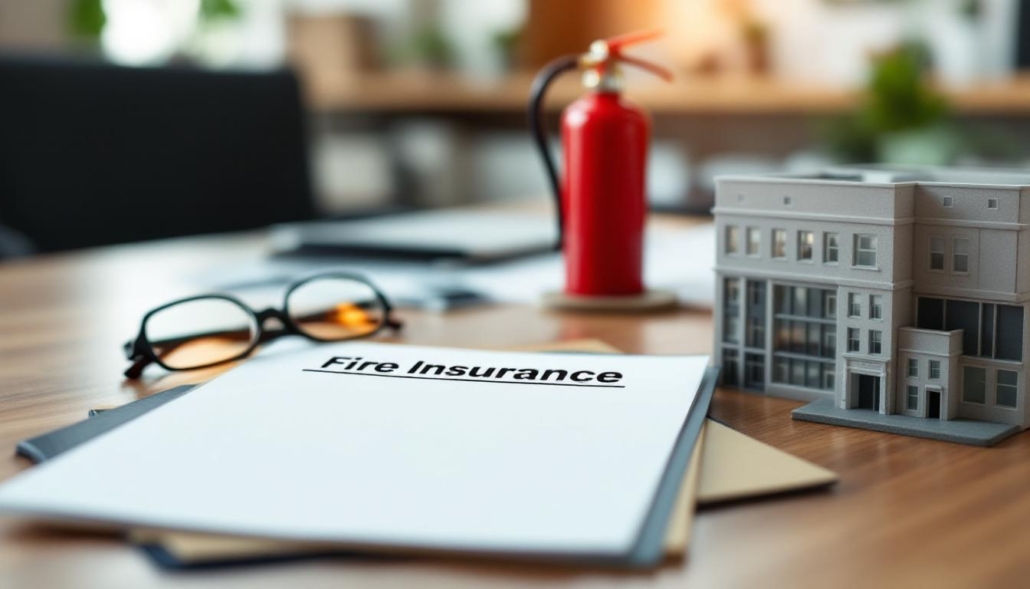
Fire insurance for commercial property is a critical safeguard for businesses. At Insurance Brokers of Arizona®, we’ve seen firsthand how proper coverage can protect companies from devastating losses.
This guide will walk you through the essentials of securing fire insurance for your commercial property, helping you understand the risks and make informed decisions about your coverage.
What Is Fire Insurance for Commercial Properties?
Definition and Scope
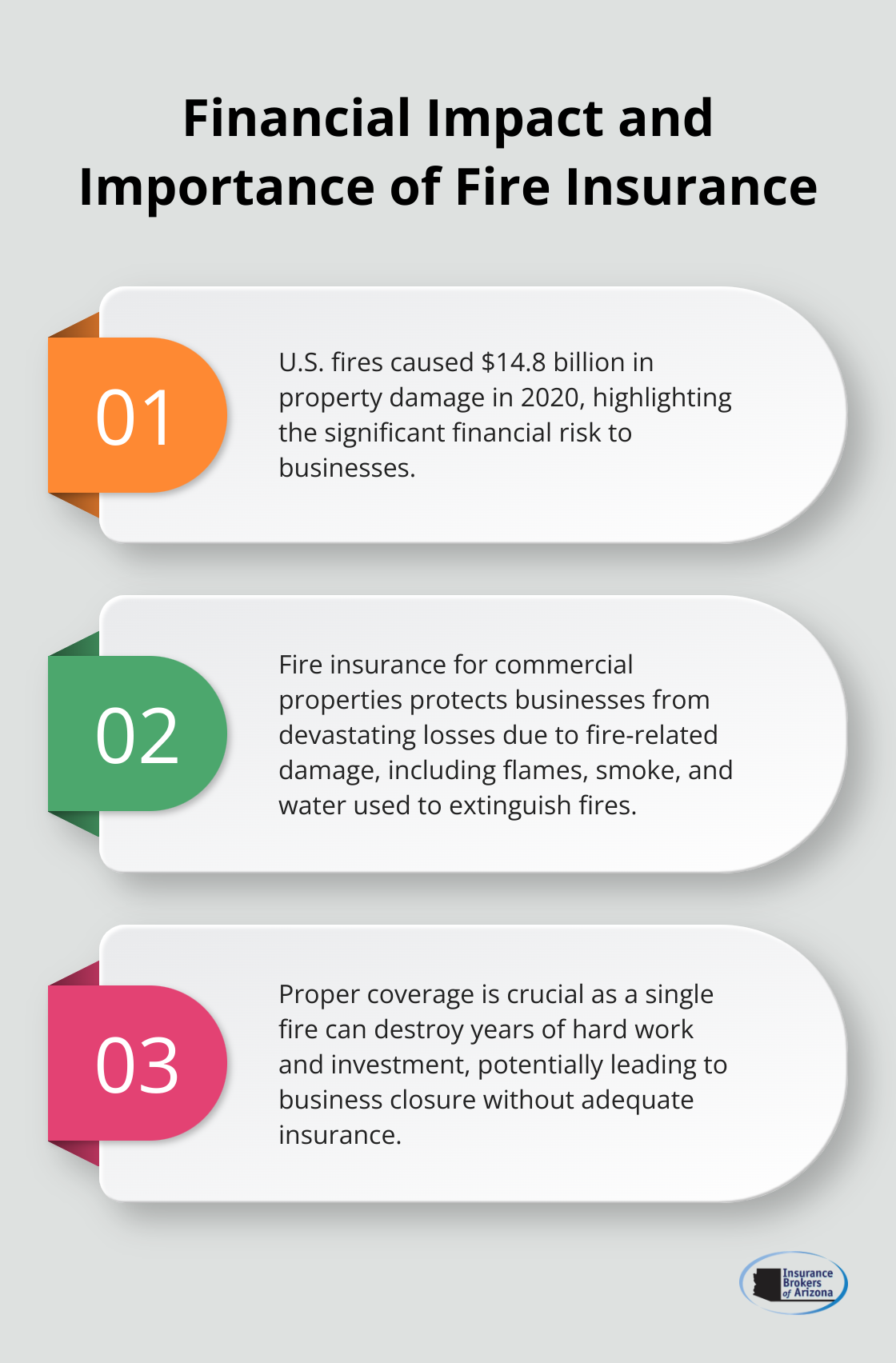
Fire insurance for commercial properties protects businesses from financial losses due to fire-related damage. This specialized coverage typically includes damage caused by flames, smoke, and water used to extinguish fires. It often extends to explosions resulting from gas leaks or other fire-related incidents. The National Fire Protection Association reports that U.S. fire departments responded to approximately 1.3 million fires in 2020, highlighting the real risk businesses face.
Importance for Businesses
The significance of fire insurance cannot be overstated. A single fire can destroy years of hard work and investment. According to the U.S. Fire Administration, fires caused $14.8 billion in property damage in 2020. Without adequate coverage, businesses may struggle to recover from such substantial losses.
Coverage Options
Fire insurance policies vary but generally cover the building structure, contents, and sometimes loss of income. Many policies also include:
- Debris removal
- Temporary relocation expenses
- Damage to neighboring properties
Tailoring Your Policy
Every business has unique needs. A restaurant might require more extensive coverage due to kitchen fire risks, while an office might focus on protecting expensive equipment and data recovery.
Risk Assessment and Prevention
A thorough risk assessment is essential before securing fire insurance. This process identifies potential hazards and can lead to more accurate coverage (and potentially lower premiums). The Insurance Information Institute suggests that businesses implementing fire prevention measures may qualify for discounts on their insurance.
As we move forward, it’s important to understand how to assess fire risks specific to your commercial property. This knowledge will help you choose the most appropriate coverage for your business needs.
How to Assess Fire Risks in Your Commercial Property
Identifying Common Fire Hazards
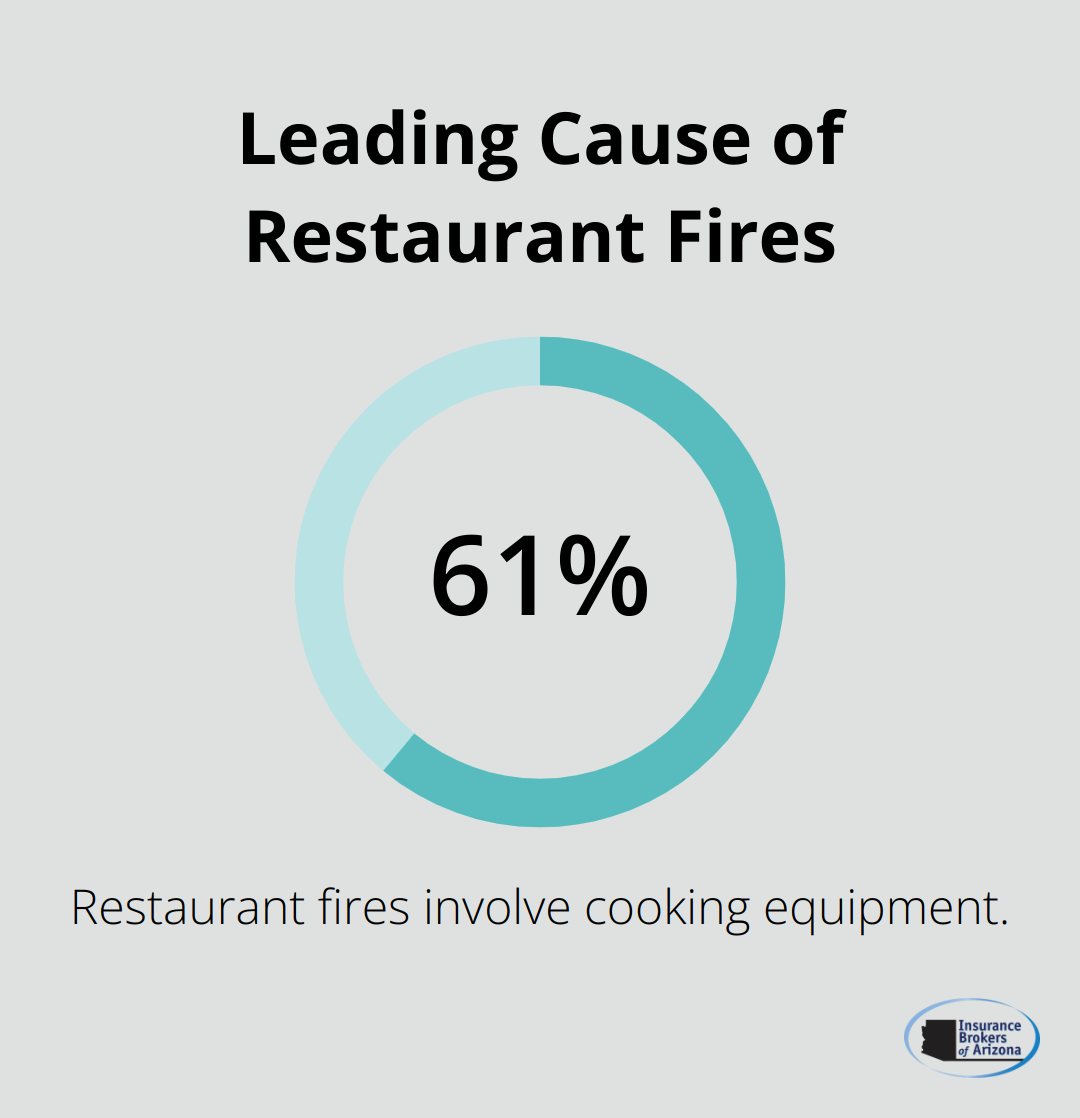
Different businesses face unique fire risks. Restaurants are particularly vulnerable due to kitchen equipment. The National Fire Protection Association (NFPA) states that cooking equipment is involved in nearly 61% of restaurant fires.
Manufacturing facilities often contend with risks from electrical equipment and flammable materials. Retail stores must be vigilant about electrical systems and storage practices.
To identify hazards specific to your business, examine your daily operations. Look for potential ignition sources, flammable materials, and areas where fires could spread quickly. Pay special attention to electrical systems, heating equipment, and any processes involving heat or flame.
Conducting a Comprehensive Fire Risk Assessment
A thorough fire risk assessment involves more than just identifying hazards. It requires an evaluation of the likelihood of a fire occurring and the potential consequences. The Occupational Safety and Health Administration (OSHA) recommends a systematic approach:
- Identify fire hazards
- Determine who might be harmed and how
- Evaluate risks and decide on precautions
- Record your findings and implement them
- Review your assessment and update if necessary
During this process, consider factors like building layout, occupancy levels, and the presence of fire detection and suppression systems. Don’t forget to assess external factors too, such as the proximity of neighboring buildings or vegetation that could pose a fire risk.
Implementing Effective Fire Prevention Measures
Once you’ve identified risks, it’s time to take action. The NFPA emphasizes the importance of a multi-layered approach to fire prevention. This includes:
- Regular maintenance of electrical systems and equipment
- Proper storage and handling of flammable materials
- Installation and maintenance of fire detection and suppression systems
- Clear and well-maintained evacuation routes
- Employee training on fire safety and emergency procedures
Many insurers offer discounts for businesses that demonstrate strong fire safety practices. This proactive approach not only protects your property and employees but can also potentially reduce your insurance premiums.
The Role of Professional Risk Assessment
While self-assessment is valuable, professional risk assessments provide an extra layer of security. Certified fire safety experts can identify less obvious hazards and offer tailored solutions. They can also help you navigate complex fire safety regulations (which vary by state and industry).
Fire risk assessment is an ongoing process. You should regularly review and update your risk assessment and prevention strategies, especially when there are changes to your business operations or premises. This continuous vigilance ensures your fire safety measures remain effective and up-to-date.
As we move forward, let’s explore how to choose the right fire insurance policy based on your specific risk assessment findings. This next step will help you secure comprehensive coverage tailored to your business’s unique needs.
How to Choose the Right Fire Insurance Policy for Your Commercial Property
Assess Your Coverage Limits
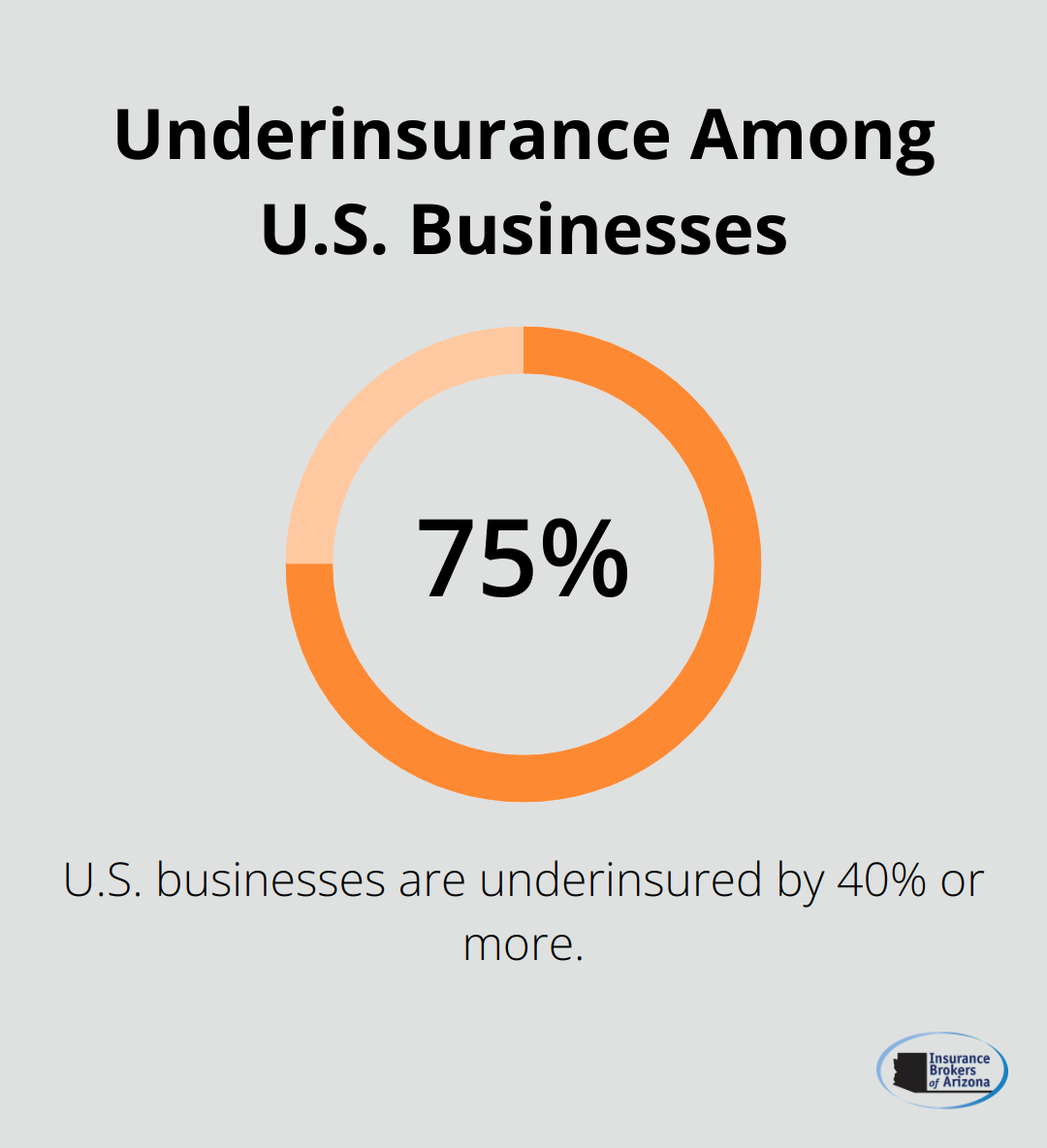
Selecting appropriate coverage limits stands as a cornerstone of fire insurance for commercial properties. The Insurance Information Institute reports that 75% of businesses in the U.S. are underinsured by 40% or more. This statistic highlights the need for accurate property and asset valuation.
We recommend you conduct a comprehensive inventory of your business assets. Include buildings, equipment, inventory, and any unique or valuable items. Consider both current value and potential replacement costs. Construction costs and equipment prices can fluctuate, so you should reassess your coverage limits annually.
Understand Different Policy Types
Commercial fire insurance policies come in various forms, each with distinct coverages and limitations. The most common types include:
- Named Peril Policies: These cover specific risks listed in the policy, including fire.
- All-Risk Policies: These provide broader coverage for all risks except those explicitly excluded.
- Business Owner’s Policy (BOP): This combines property and liability coverage (often suitable for small to medium-sized businesses).
The National Association of Insurance Commissioners reports that 40% of small businesses opt for a BOP due to its comprehensive nature and cost-effectiveness. However, larger businesses or those with unique risks might require more specialized coverage.
Consider Business Interruption Coverage
Fire damage often extends beyond physical property loss. The aftermath can lead to significant downtime and lost income. Business interruption coverage can protect you in these situations. The Insurance Information Institute states that 40% of businesses never reopen after a disaster, largely due to the financial strain of extended closures.
When you evaluate business interruption coverage, consider:
- The time it would take to rebuild or relocate your business
- Your ongoing expenses during a shutdown (rent, payroll, etc.)
- Potential loss of customers to competitors during downtime
Evaluate Deductibles and Premiums
The balance between deductibles and premiums plays a key role in your insurance decision. Higher deductibles typically lead to lower premiums, but they also mean more out-of-pocket expenses in the event of a claim. A study by the National Association of Insurance Commissioners found that businesses that opt for higher deductibles can save up to 25% on their premiums.
However, you must ensure that you can afford the deductible in case of a fire. Consider your business’s cash flow and emergency funds when you make this decision.
Seek Expert Guidance
The complexities of commercial fire insurance can challenge even the most savvy business owners. Working with experienced insurance professionals can provide invaluable assistance. Insurance professionals can help you:
- Accurately assess your property value and risk exposure
- Compare policies from multiple insurers to find the best coverage and rates
- Identify potential gaps in coverage and recommend additional endorsements
Proper insurance coverage can make the difference between a business recovering from a fire or closing its doors permanently (as we’ve seen firsthand at Insurance Brokers of Arizona®). The right guidance ensures you have the protection you need at a price you can afford.
Final Thoughts
Fire insurance for commercial property protects businesses from potentially devastating losses. Regular policy reviews ensure coverage aligns with evolving business needs as companies grow or change. Proactive reassessment of coverage limits, risk evaluation, and implementation of updated fire prevention measures will strengthen your protection.
Insurance Brokers of Arizona® helps businesses find tailored fire insurance coverage for their unique needs. Our experienced professionals guide clients through the complexities of commercial property insurance, aiming to provide comprehensive protection at competitive rates. We collaborate with numerous reputable carriers to offer a wide range of options for our clients.
Don’t leave your business vulnerable to fire risks. Take action today to secure fire insurance for your commercial property. With the right coverage, you can focus on growing your business, knowing you’re protected against unforeseen fire-related incidents.


