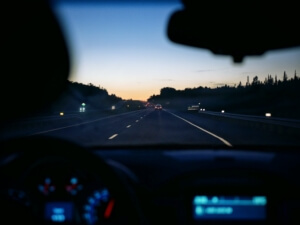
Night driving tips in Gilbert, ArizonaThe joys of fall and winter include going to pumpkin patches, seeing family and friends for holidays, skiing, sitting by a warm fire, and more; however, these seasons also bring longer nights which means increased risk on the roads.

Many drivers aren’t aware of the challenges of driving in the dark and with longer nighttime hours ahead, it is a good time to touch up on some safety tips for evening drives.

Sometimes, there’s no way around driving at night. So here are some suggestions to help you make a safe trip– whether you’re just running to the store or you’re headed to another city.

  1. Make certain your car’s lights are in good working condition. Not only your headlights but turn signals, taillights, etc. Also, if there are no other drivers around, use your high-beam lights to allow yourself to see better and farther while driving.
  2. Avoid speeding. Leave a bigger gap between you and other cars than you would during daytime hours. Also, leave yourself even more time for the trip so you don’t need to speed to arrive at your destination on time.
  3. Eliminate distractions. You shouldn’t be on your phone, messing around with the radio, or searching for something while you’re on the road anyway. Distractions are a lot more dangerous at night.
  4. Be aware of your surroundings. Pay attention to the road as you drive and always be on the lookout for wildlife. You should also be aware of other drivers and keep your distance, especially if their driving looks suspicious. Nighttime is when you are most likely to encounter a driver under the influence.

Data shows that nighttime driving has an increased risk of fatalities, so slow your driving at night and take your time.

Nobody likes to be lectured on safe driving, but understanding what causes nighttime driving to be more dangerous can help you eliminate risks.

What you need to understand about driving at night:

  1. Your vision is reduced. Many drivers complain about decreased vision at nighttime. This can be due to a foggy windshield, poor windshield wipers, or simply the fact that our eyes don’t work as well at nighttime. In fact, peripheral vision is greatly reduced in the dark, and having a good peripheral vision is paramount to lane changes, crosswalks, and unprotected intersections.
  2. Speeds too fast for conditions. Did you know that you can drive too fast for your headlights? This means that your headlights can only illuminate so much of the road ahead of you. Driving at night greatly increases your chances of animal collisions because you are simply traveling too fast to slow your vehicle when an animal is in the roadway. When appropriate, slow your vehicle speed by 10-15% at night to give yourself great reactionary time to things like wildlife in the roadway.
  3. Impairment. The holidays and darker days increase the consumption of alcohol and drunk drivers. Because alcohol can decrease your good judgment, it is a good idea to consider using rideshare drivers. A simple Uber or Lyft ride can save you thousands, not to mention your life or the lives of others.
  4. If you are feeling drowsy or fatigued, immediately find a place where you can either rest and wake up, or if you have another eligible driver in your car, trade places with them.

Many drivers avoid driving at night altogether. Especially as we get older our confidence and reaction time decreases. If you have any more questions about driving at night or want to discuss your auto insurance policy, feel free to give our agency a call today.
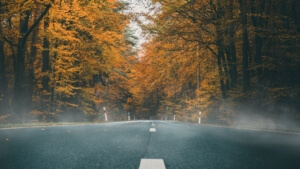
Fall and winter driving tips in Gilbert, AZWith summer coming to an end and cooler weather beginning to approach, now is a great time to get ahead and get your vehicle ready for fall and winter. Fall might seem early to get your car ready, but this season can produce hazardous weather that can make driving dangerous for those who are not prepared.
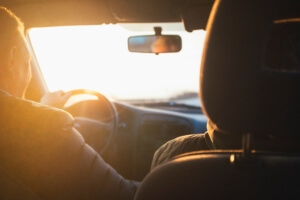
Depending on where you live or even where you might be driving, you could experience cold weather that can cause slick roads. To help keep you safe while driving during these seasons, we provided some tips to help get you and your vehicle ready for the changing road conditions.

Make Sure Your Car is Serviced

One of the best ways to help lower your risk of a car breakdown or accident is to make sure to keep your vehicle is well maintained.

Here is what to check:

Check your tire tread. A good way to combat fall and winter road conditions is to make sure your tires are in great condition. If your tires have poor tread depth, this can affect your car’s traction abilities. If you drive over mountain passes or live in a cold environment, you should also consider adding specialized winter tires to your vehicle so you have an additional level of traction for driving.

Is your heater working? Not only will this provide comfort for you when the air outside is cooler, but it will also help defrost your windshield in case fog or ice begins to form on your glass.

Check your brakes. With the chance of the roads becoming slippery causing braking distances to be increased, you’ll want to make sure that your brakes are well inspected.

Check your headlights. Fall and winter can bring the darkest time of the year, making objects outside of your car more difficult to see if your car’s lights are dim. Make sure all of your headlights shine bright enough so you can easily see any obstacles. Additionally, make sure your tail lights are bright enough too so that other drivers behind you can see you.

Check your windshield wipers. Review your wipers to ensure they are in good shape. If your car gets into contact with any leaves, moisture, debris, etc. you can depend on your wipers to be able to keep your windshield clear and easily visible.

Additional items to consider:

Store warm clothes or a blanket in your car

In an emergency event where your car breaks down on the side of the road in cold weather, it is important to keep warm while you wait for assistance. Pack warm clothes in your car ahead of time so you can stay comfortable if this event ever happens. A good rule of thumb is to pack clothes that you would be comfortable wearing for a long time outside.

Keep Basic Tools in Your Car

  • A windshield scrapper helps you quickly scrape ice from your windshield.
  • A first aid kit can be very helpful. We recommend always keeping one in your trunk.
  • Double check that your emergency roadside kit is ready in the event you need to change your tire. This can includes a jack, a jack handle, a tire iron, a screwdriver and of course, your spare!

We hope you never have to experience a car breakdown or accident. Being prepared for the unexpected can help make a bad situation better.

If you have any questions about road safety, your auto insurance policy or adding road side assistance, please contact our agency.

Auto Insurance Agency Gilbert, AZRecently, we discussed the importance of understanding four basic auto insurance coverages; liability including bodily injury and property damage, and comprehensive and collision coverage. Almost all states require liability coverage for auto insurance.

In Part 2, we will explain additional coverages you can add to your auto insurance policy. Not only will this give you more coverage in the event you have a claim, but it could only be a small increase in price to have potentially thousands of dollars in coverage in the event you have to file an insurance claim. Let’s discuss what could be considered full coverage auto insurance.

Full coverage auto insurance typically means you have liability coverage (bodily and property damage), collision coverage, comprehensive coverage plus additional coverages such as PIP and uninsured motorist coverage.

Uninsured/underinsured motorist coverage: This coverage can be broken out into four parts; uninsured motorist bodily injury, uninsured motorist property damage, underinsured motorist bodily injury, and underinsured motorist property damage. Uninsured/underinsured motorist coverage can pay for damage up to your policy limits in the event you get into an accident and the other driver has little to no auto insurance coverage.

This policy can provide you with coverage if you experience a hit-and-run too.

Personal injury protection (PIP) or medical payments is another form of coverage many individuals invest in when it comes to purchasing an auto insurance policy. PIP can help pay towards medical bills for you or your passengers after getting into a car accident. It can also pay towards medical supplies, care, lost wages, prescriptions, or other services you may need. Every insurance carrier and state is different so it is best to talk to your insurance agent about the details of this coverage for your policy.

More coverages to consider for your auto insurance policy:

Roadside assistance: If your vehicle breaks down, this coverage can provide you with several services such as towing services, flat tire changes, fuel delivery (not including the cost of the fuel), lock-out service, and more. Talk to your agent about the details of your policy as each insurance carrier may be slightly different in how they can offer roadside assistance.

Custom parts and equipment: does your vehicle have custom parts or equipment? This could be an upgraded stereo, custom wheels, navigation system, custom paint, and more. If your vehicle is damaged in an accident, this coverage can pay up to your policy limits to repair or replace it.

Windshield repairs: Are you prone to glass chips in your windshield?

Ask your agent if you have an option for a “no deductible” glass replacement. This can be an inexpensive coverage that can save you from having to pay your typical comprehensive insurance deductible.

If you are interested in purchasing full coverage car insurance, call our agency. We can shop with our top insurance carriers to help you find the best policy for your needs. Once we have determined your insurance carrier and policy, we can explain and then look at extra coverage options for your auto insurance.