General Liability Insurance for Nonprofit Organizations

Nonprofit organizations play a vital role in our communities, but they face unique risks that can threaten their mission. At Insurance Brokers of Arizona®, we understand the importance of protecting these organizations from potential liabilities.
General liability insurance for nonprofit organizations is a critical safeguard against unforeseen incidents and legal challenges. This comprehensive coverage can help nonprofits focus on their important work without worrying about financial setbacks from accidents or lawsuits.
What Is General Liability Insurance for Nonprofits?
Definition and Purpose
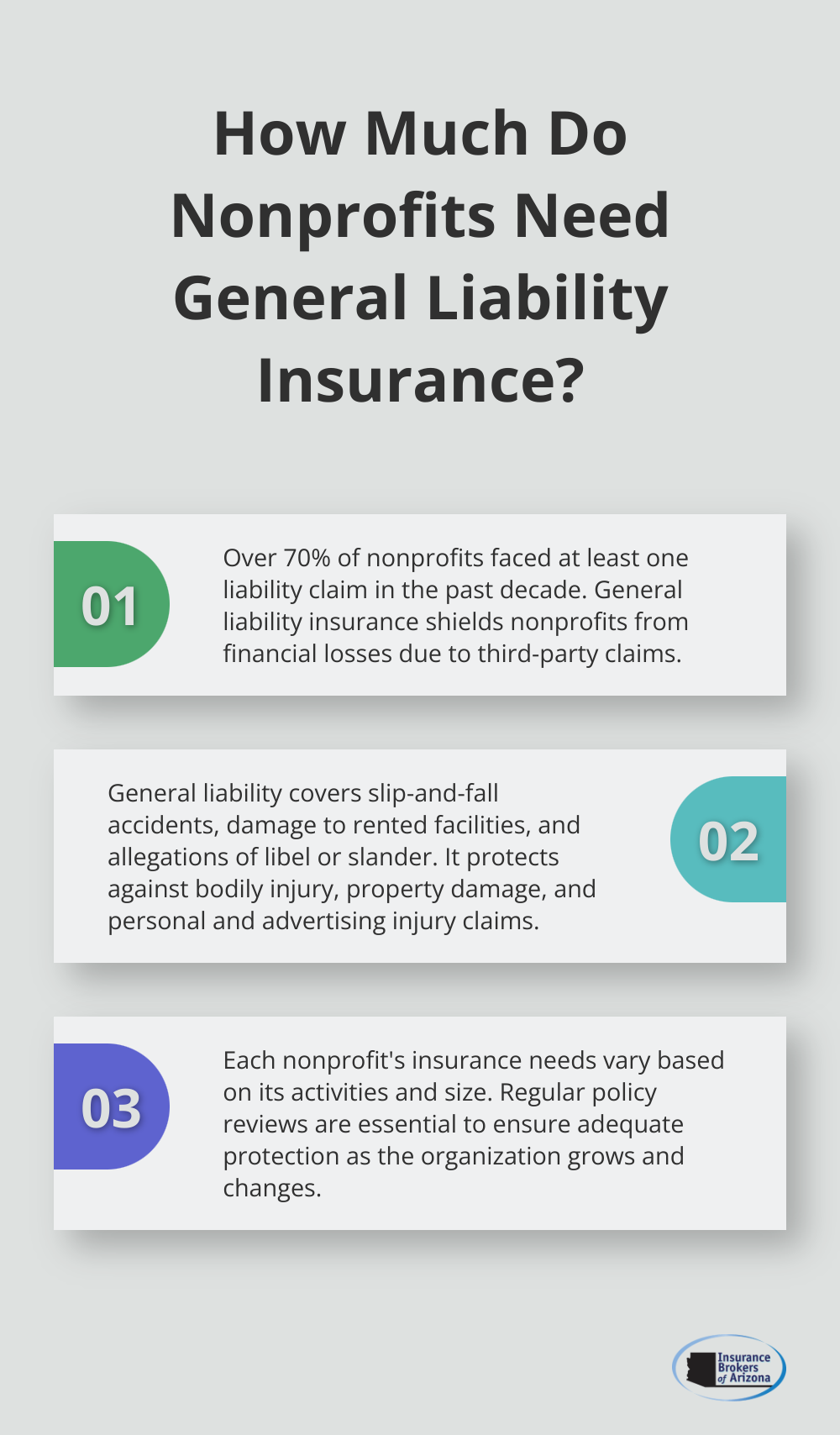
General liability insurance provides fundamental protection for nonprofit organizations. It shields them from financial losses due to third-party claims of bodily injury, property damage, or personal and advertising injury. This coverage is essential for nonprofits of all sizes and missions.
Common Risks for Nonprofit Organizations
Nonprofits face various risks in their day-to-day operations. These can include:
- Slip-and-fall accidents at events
- Damage to rented facilities
- Allegations of libel or slander in promotional materials
Without proper insurance, these incidents could lead to costly lawsuits that drain resources from the organization’s mission.
A study by the Nonprofits Insurance Alliance found that over 70% of nonprofits have faced at least one liability claim in the past decade. This statistic highlights the importance of having robust general liability coverage in place.
Incidents Covered by General Liability Insurance
General liability insurance typically covers a wide range of incidents. For example:
- If a visitor trips and falls at your nonprofit’s office, this policy would cover their medical expenses and any legal fees if they decide to sue.
- It also protects against property damage claims (such as if an employee accidentally breaks a client’s laptop during a home visit).
- This insurance covers personal and advertising injury claims, which could include copyright infringement in your marketing materials or reputational harm caused by an employee’s actions.
Tailoring Coverage to Your Nonprofit’s Needs
Each nonprofit has unique risks based on its activities and size. For instance, a small animal shelter might need different coverage than a large educational foundation. It’s important to work closely with an experienced insurance broker to assess your specific risks and tailor a general liability policy that provides comprehensive protection.
Regular Policy Reviews
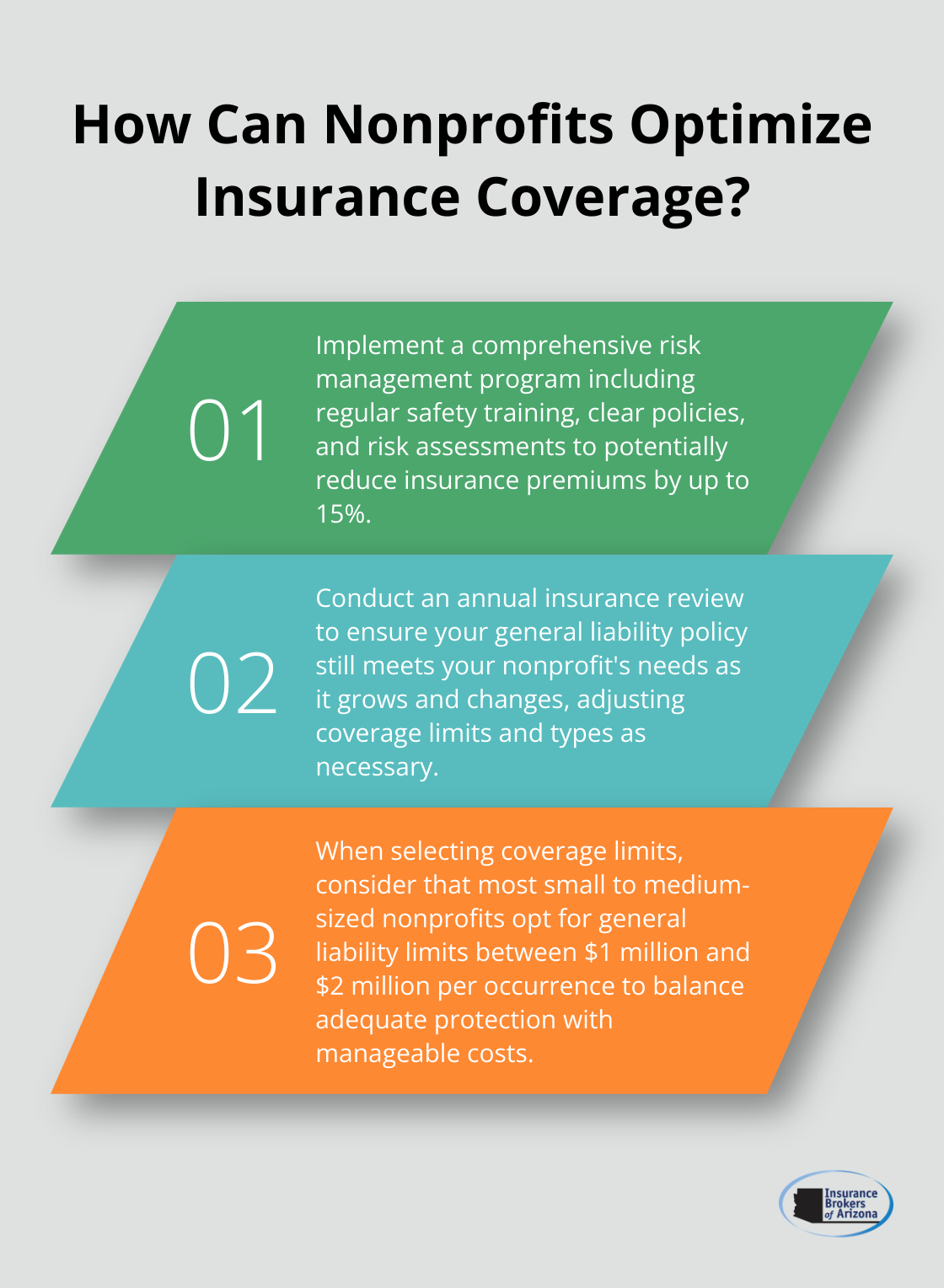
Your organization should regularly review and update its coverage as it grows and changes. An annual insurance review will ensure your policy still meets your needs and provides adequate protection against potential risks.
As we move forward, let’s explore the key coverage areas that general liability insurance typically includes for nonprofit organizations.
What Does General Liability Insurance Cover for Nonprofits?
General liability insurance provides essential protection for nonprofit organizations. This coverage safeguards against various risks that could potentially disrupt an organization’s mission. Let’s explore the key areas covered by this vital insurance.
Bodily Injury and Property Damage
General Liability Insurance protects nonprofits from claims related to bodily injury or property damage. If a visitor falls at your nonprofit’s event, your insurance will cover their medical expenses and potential legal costs. Similarly, if an employee damages a donor’s property during a home visit, your policy will cover the repair or replacement costs.
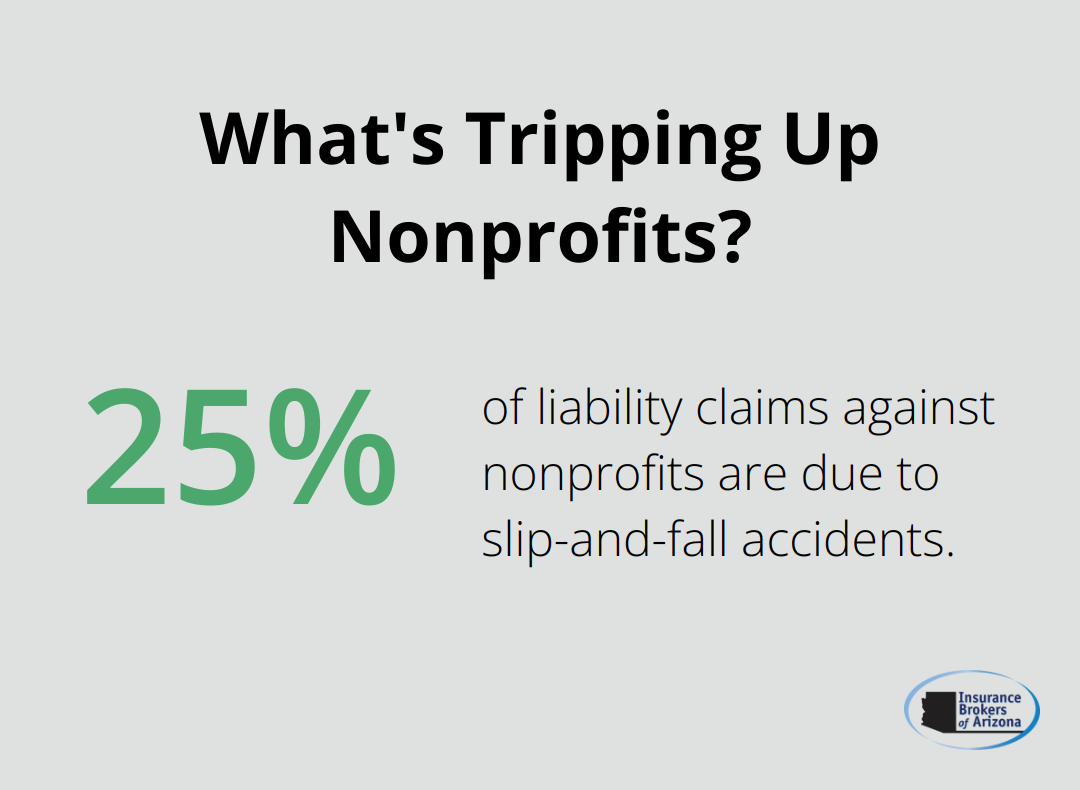
The Nonprofit Risk Management Center reports that slip-and-fall accidents account for over 25% of liability claims against nonprofits (a statistic that highlights the importance of robust coverage in this area).
Personal and Advertising Injury
Nonprofits often engage in marketing and public relations activities to promote their cause. General liability insurance protects against claims of personal and advertising injury, including:
- Libel or slander
- Copyright infringement
- Invasion of privacy
For example, if your nonprofit faces accusations of using copyrighted material in a fundraising campaign without permission, your insurance will cover the legal defense costs and any settlements or judgments.
Medical Payments
General liability insurance typically includes a medical payments provision. This coverage pays for minor medical expenses resulting from injuries sustained on your property or due to your operations, regardless of fault. It resolves small incidents quickly without the need for litigation.
The Insurance Information Institute reports that the average cost of a slip-and-fall injury is $20,000 (a figure that underscores the value of medical payments coverage in preventing smaller incidents from escalating into costly lawsuits).
Legal Defense and Settlement Costs
One of the most valuable aspects of general liability insurance is the coverage for legal defense costs. If someone sues your nonprofit, even if the claim lacks merit, your insurance will cover attorney fees, court costs, and any settlements or judgments up to your policy limits.
The Nonprofits Insurance Alliance notes that the average cost to defend a liability lawsuit against a nonprofit is $35,000. Without insurance, these costs could severely impact an organization’s ability to carry out its mission.
Tailoring Coverage to Your Nonprofit’s Needs
Each nonprofit has unique risks based on its activities and size. A small animal shelter might need different coverage than a large educational foundation. Working closely with an experienced insurance broker will help you assess your specific risks and tailor a general liability policy that provides comprehensive protection.
As we move forward, let’s examine the factors that affect the cost of general liability insurance for nonprofit organizations.
What Impacts Nonprofit General Liability Insurance Costs?
General liability insurance is essential for nonprofit organizations, but understanding the factors that influence its cost is important for budgeting and risk management. Several elements can significantly impact premiums. Let’s explore these key factors to help you navigate the insurance landscape more effectively.
Organizational Size and Activities
The size of your nonprofit and the nature of your activities play a pivotal role in determining insurance costs. Larger organizations with more employees, volunteers, and events typically face higher premiums due to increased exposure to risks. For instance, a nonprofit running multiple community centers will likely pay more than a small, local charity operating from a single office.
The type of services you provide also matters. High-risk activities, such as working with vulnerable populations or organizing large public events, can lead to higher insurance costs. A youth mentoring program, for example, might face higher premiums than a nonprofit focused on environmental research.
Claims History and Risk Management
Your organization’s claims history is a significant factor in determining insurance costs. A track record of frequent claims can lead to higher premiums, as insurers perceive your nonprofit as higher risk. Conversely, a clean claims history can work in your favor.
Implementing robust risk management practices can help lower your insurance costs over time. This includes:
- Regular safety training for staff and volunteers
- Clear policies and procedures implementation
- Regular risk assessments
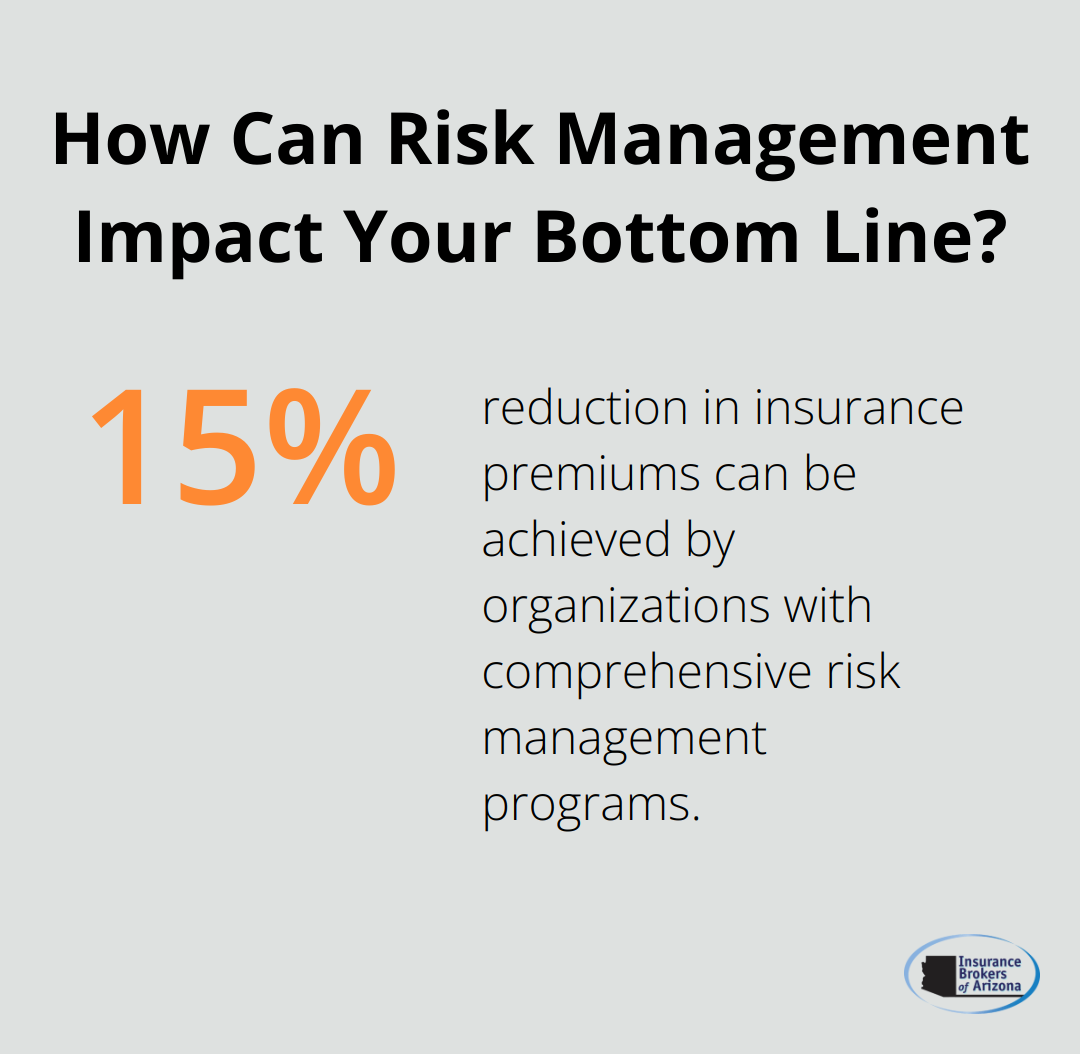
The Nonprofit Risk Management Center reports that organizations with comprehensive risk management programs can see up to a 15% reduction in insurance premiums (a statistic that underscores the importance of proactive risk management).
Location and Coverage Limits
Your nonprofit’s location can impact insurance costs due to varying risk levels and legal environments across different areas. Urban locations often face higher premiums due to increased foot traffic and higher property values.
Coverage limits also play a key role. Higher limits provide more protection but come with higher premiums. It’s essential to strike a balance between adequate coverage and manageable costs. The Nonprofits Insurance Alliance suggests that most small to medium-sized nonprofits opt for general liability limits between $1 million and $2 million per occurrence.
Industry Trends and Market Conditions
The broader insurance market and industry trends can affect your premiums. For example, the COVID-19 pandemic has led to increased scrutiny of liability risks, potentially impacting insurance costs for nonprofits across the board.
Additionally, natural disasters or significant legal changes in your area can influence insurance pricing. For instance, nonprofits in regions prone to wildfires or hurricanes might see higher premiums due to increased property damage risks.
Understanding these factors can help you make informed decisions about your insurance coverage. Insurance professionals work closely with nonprofits to analyze these elements and find the most cost-effective solutions that provide comprehensive protection.
Final Thoughts
General liability insurance for nonprofit organizations protects your mission from potentially devastating financial losses. This coverage shields your organization from accidents, injuries, and legal claims that could jeopardize years of hard work and community impact. Without proper insurance, a single incident might derail your nonprofit’s ability to serve effectively.
We at Insurance Brokers of Arizona® understand the unique challenges nonprofits face. Our team can assess your specific risks, recommend appropriate coverage levels, and find policies that offer comprehensive protection. To secure suitable coverage, conduct a thorough risk assessment and gather detailed information about your organization’s size, activities, and claims history.
Ask questions and seek clarification on policy terms to understand your coverage fully. Review your insurance regularly, especially as your organization grows or changes its activities (this ensures continued adequate protection). Take this important step today to safeguard your nonprofit’s ability to make a positive impact in your community.


