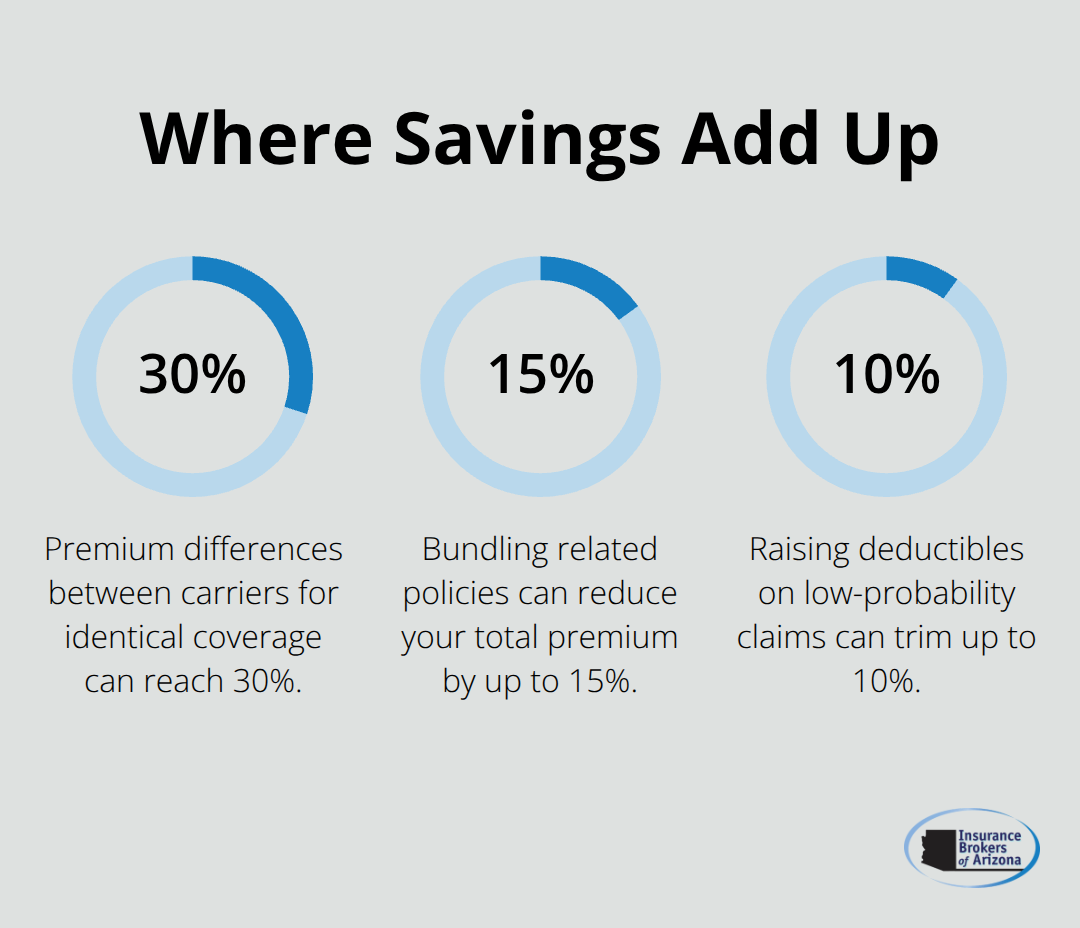
Vacant properties face unique insurance challenges that standard homeowners policies simply don’t address. Most insurers consider homes vacant after 30-60 days, automatically voiding coverage.

We at Insurance Brokers of Arizona® see property owners struggle with finding adequate vacant home insurance coverage. The right policy protects against vandalism, theft, and liability risks that empty properties attract.

What Makes Vacant Properties So Risky

The insurance industry draws a sharp line between vacant and unoccupied properties, and this difference determines whether your claim gets paid or denied. Vacant homes contain no personal belongings and remain completely empty, while unoccupied properties still have furniture, utilities, and the appearance that someone could return at any time. Standard homeowners insurance policies contain vacancy clauses that automatically suspend coverage after 30-60 days of vacancy, which leaves property owners exposed to significant financial losses.

Chart showing higher vandalism and theft rates for vacant homes versus occupied homes - vacant home insurance coverage

Why Standard Policies Exclude Vacant Properties

Insurance companies refuse to cover vacant homes under standard policies because the risk profile changes dramatically when properties sit empty. The National Association of Insurance Commissioners reports that vacant homes face 25% higher vandalism rates and 40% more theft incidents compared to occupied properties. Water damage from burst pipes becomes catastrophic without anyone present to shut off water sources, while electrical fires can burn for hours before detection. Standard homeowners policies cost an average of $2,728 annually, but vacant home insurance premiums jump 25-50% higher due to these elevated risks.

Arizona State Requirements for Vacant Properties

Arizona law requires property owners with mortgages to maintain continuous insurance coverage on vacant properties (making specialized vacant home insurance mandatory rather than optional). Lenders can force-place expensive coverage if owners fail to secure adequate protection, often costing three times more than voluntary policies. Arizona’s extreme heat creates additional risks like HVAC system failures and roof damage that vacant home policies must specifically address.

Risk Factors That Drive Premium Costs

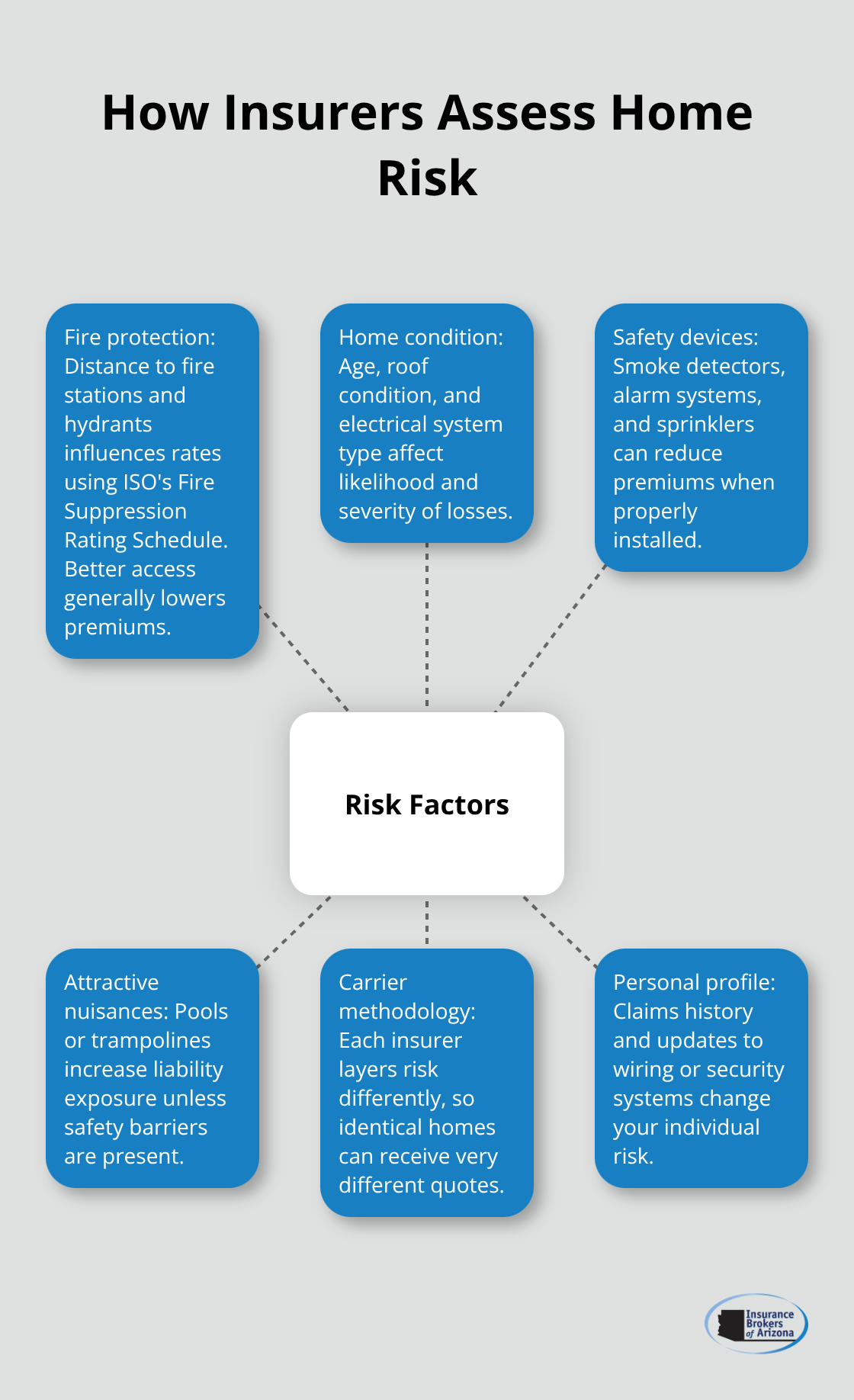
Location significantly affects insurance costs, with properties in high-risk areas prone to wildfires or crime incurring higher premiums. The expected duration of vacancy influences the cost structure (shorter vacancy periods usually result in lower insurance premiums). Property condition plays a major role, as insurers require well-maintained plumbing and electrical systems to qualify for coverage. These factors combine to create a complex pricing structure that varies dramatically from standard homeowners insurance.

Compact list of key factors that increase vacant home insurance premiums - vacant home insurance coverage

Now that you understand why vacant properties require specialized coverage, the next step involves finding the right insurer and policy features that match your specific property needs.

Finding the Right Vacant Home Insurance Policy

Specialized vacant property insurers operate differently than traditional homeowners insurance companies, with only a handful providing comprehensive coverage in Arizona. Progressive, Farmers, and American Family lead the market with dedicated vacant home policies, while USAA serves military families exclusively. Foremost Insurance provides competitive rates for properties vacant 30-365 days, with coverage limits that reach $5 million for property and $1 million for liability. These insurers require properties to be within six miles of fire protection services and maintain good repair standards to qualify for coverage.

Coverage Features That Matter Most

The best vacant home policies include fire, lightning, wind, hail, smoke, and water intrusion damage as standard coverage, but vandalism and theft protection requires special endorsements. Basic form policies cover vandalism for older properties, while special form policies provide broader coverage for newer or recently renovated homes. Theft protection demands active central alarm systems, and liability coverage excludes high-risk features like pools or trampolines. Multi-location policies benefit investors with multiple vacant properties and consolidate coverage under one policy with potential discounts.

Premium Costs and Payment Options

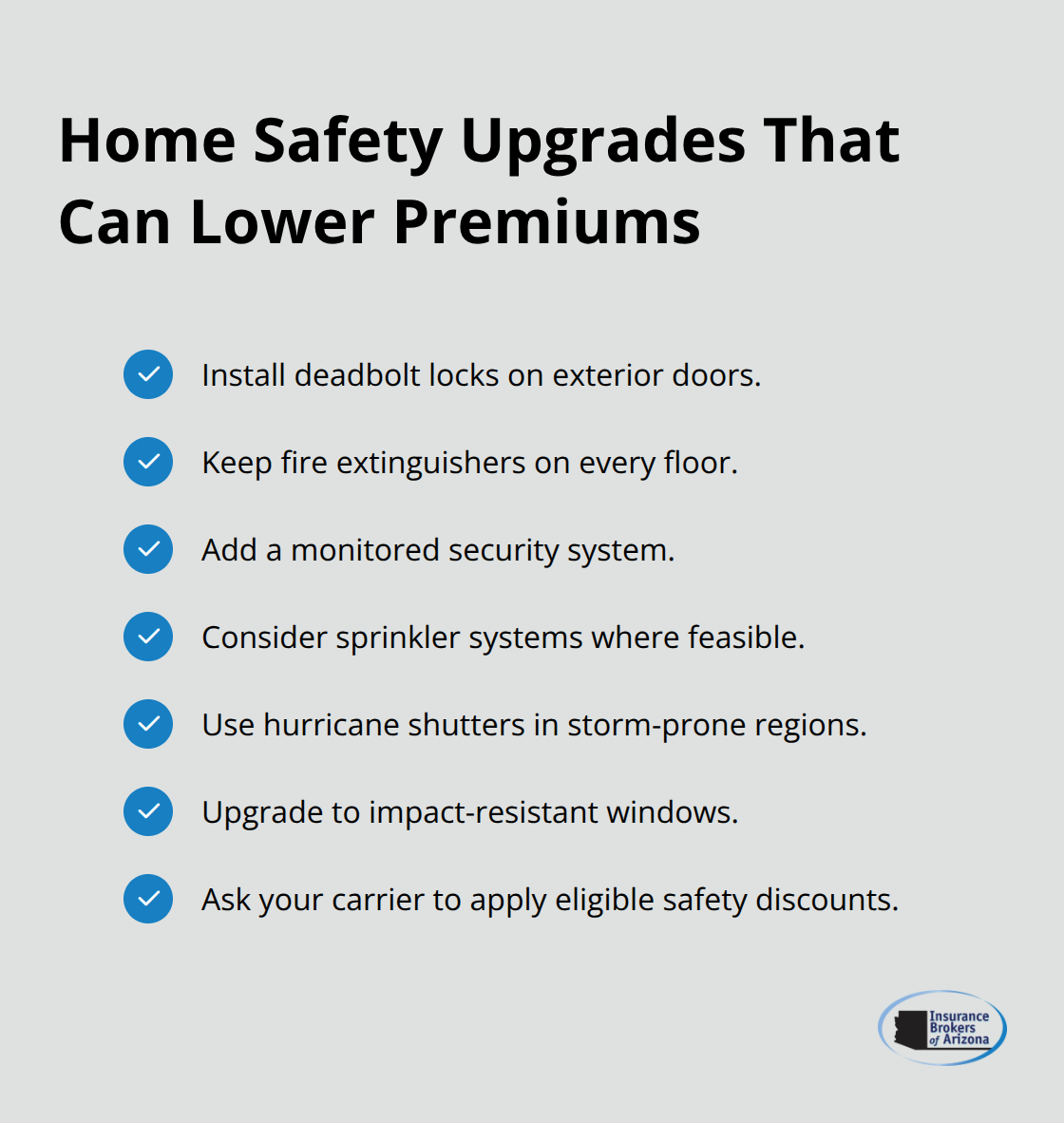
Vacant home insurance costs 150-300% more than standard homeowners policies, with annual premiums that exceed $3,410 for high-risk properties. Insurers offer three, six, or twelve-month policy terms (with longer terms that provide better rates but less flexibility). Properties in wildfire-prone areas face premium surcharges of 40-60%, while crime-heavy neighborhoods add 25-35% to base rates. Temperature monitors, security cameras, and weekly property inspections can reduce premiums by 10-15%, which makes these investments worthwhile for long-term vacant properties.

Quote Comparison Strategies

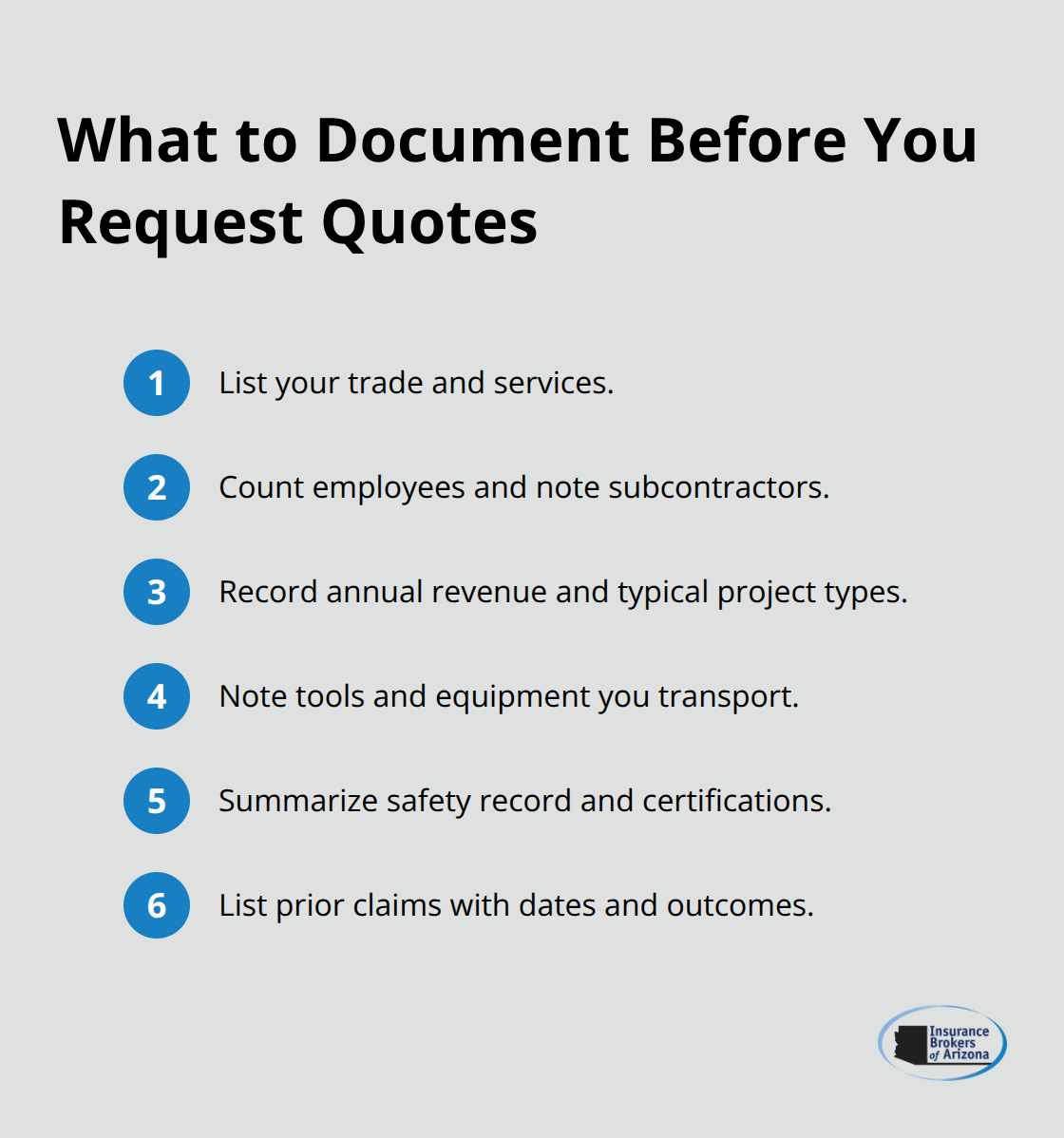
Property owners should obtain quotes from multiple insurers to secure the best rates and coverage options. Each insurer evaluates risk factors differently, with some specializing in specific property types or geographic areas. The application process requires detailed property information, vacancy duration, and security measures already in place. Smart property owners compare not just premiums but also coverage limits, deductibles, and claim settlement procedures before they make their final decision.

Once you select the right insurer and policy features, the focus shifts to property maintenance and security measures that keep your coverage active and reduce claim risks.

Tips for Maintaining Coverage and Reducing Risks

Property maintenance and security protocols directly determine whether your vacant home insurance remains valid and claims get approved. Insurers require temperature monitoring with smart thermostats set to minimum 55°F to prevent frozen pipes, which cause 37% of vacant property water damage claims according to the Insurance Information Institute. Weekly property inspections become mandatory for most policies, with documented evidence that utilities remain connected and security systems stay operational. Professional property management services cost $150-300 monthly but reduce claim denials by 60% compared to self-managed properties.

Security Systems That Insurers Actually Require

Central alarm systems with 24/7 monitoring reduce premiums by 15-20% and become mandatory for theft coverage endorsements.

Checkmark list of insurer-required security measures for vacant homes

Motion sensor lights, security cameras with cloud storage, and smart locks provide additional premium discounts while meeting specific policy requirements. Insurers demand photographic documentation of all security measures during application and annual renewals. Property owners must notify insurers within 48 hours if alarm systems fail or security features become inoperative, as coverage suspends immediately without proper notification.

Temperature Control and Utility Management

Smart thermostats with internet connectivity send alerts when temperatures drop below safe levels (preventing costly pipe freeze damage that destroys vacant properties). Utility companies must maintain active service connections for electricity, gas, and water to satisfy policy requirements. Property owners should test backup generators weekly to verify they operate during power outages. Winterization procedures include draining water lines and insulating exposed pipes in crawl spaces and basements.

Documentation Standards for Claims Protection

Insurers require monthly photographic documentation of property condition, focusing on roof integrity, foundation stability, and HVAC functionality. Temperature logs from smart monitors provide evidence of proper climate control, while utility bills prove continuous service connections. Professional inspection reports every six months satisfy most policy requirements and strengthen claim positions when losses occur. Implementing robust risk management practices helps reduce insurance costs while digital folders with timestamped photos and maintenance records help insurers access documentation during claim investigations.

Final Thoughts

Property owners must act immediately once their home sits empty for more than 30 days to secure vacant home insurance coverage. Standard homeowners policies automatically void after this period, which leaves owners exposed to significant financial risks. Arizona’s extreme heat and wildfire exposure create additional challenges that specialized insurers like Progressive, Farmers, and American Family address through dedicated vacant property policies.

Professional insurance guidance proves invaluable when property owners navigate complex coverage requirements and application processes. We at Insurance Brokers of Arizona® help clients compare multiple carrier options to find optimal protection for their specific situations. Our team understands Arizona’s unique vacant property risks and works to prevent coverage gaps that result in denied claims.

Property owners face time-sensitive decisions when homes become vacant, as delays can create expensive coverage lapses. Specialized insurers require detailed documentation of security systems, maintenance protocols, and property condition before they approve applications. Quick action protects property investments and prevents costly mistakes that standard homeowners insurance cannot cover.

Finding the best auto and home insurance bundle can save you hundreds of dollars annually while simplifying your coverage management.

Most carriers offer bundle discounts ranging from 5% to 25%, but the cheapest option isn’t always the smartest choice. We at Insurance Brokers of Arizona® see clients make costly mistakes by focusing solely on price rather than comprehensive protection.

The right bundle strategy requires careful evaluation of coverage limits, deductibles, and potential gaps between policies.

What Does Insurance Bundling Actually Include

Insurance bundling combines your auto and home policies under one carrier to receive multi-policy discounts. American Family leads with bundle discounts up to 40%, while State Farm offers savings that reach $1,356 annually according to industry analysis. Amica provides discounts up to 30%, and USAA delivers 10% savings for eligible military members.

Percentage savings from leading U.S. insurers when bundling auto and home policies

Progressive offers over 20% discounts for new customers who purchase bundled policies.

Standard Bundle Components

Most bundles include comprehensive auto coverage with liability, collision, and comprehensive protection alongside homeowners insurance that covers your home, personal property, and liability protection. Carriers often add roadside assistance, rental car coverage, and identity theft protection as bundle perks. Some insurers like Nationwide allow single deductibles when both home and auto claims stem from the same incident (which streamlines the claims process significantly).

Hidden Bundle Limitations

Bundles restrict your ability to shop individual policies with specialized carriers that might offer superior coverage for specific needs. Classic car insurance, high-value home coverage, or specialty vehicle protection often requires separate specialized policies that bundled carriers cannot match. Additionally, some multi-policy discounts only apply during the first policy year (which makes long-term savings less predictable than advertised rates suggest).

Real Savings vs Marketing Claims

Industry data shows bundles save 5% to 25% on premiums, but individual policies sometimes cost less than bundles depending on your risk profile. Travelers and USAA consistently rank highest for bundle value, while some carriers inflate bundle discounts after they raise individual policy prices first. Compare separate policy quotes from at least three providers against bundle offers to identify genuine savings rather than marketing manipulation.

Coverage Gaps in Standard Bundles

Standard bundles often exclude specialized coverage that many homeowners need. Flood insurance requires separate policies through the National Flood Insurance Program, while earthquake coverage needs additional riders in most states. High-value items like jewelry, art, or collectibles typically exceed standard personal property limits (requiring scheduled personal property endorsements).

Checklist of coverage gaps often excluded from standard home and auto bundles - best auto and home insurance bundle

These gaps become apparent only when you file claims and discover your bundle doesn’t cover specific losses.

Now that you understand what bundles include and exclude, the next step involves comparing these options effectively across multiple carriers.

How Do You Compare Bundle Options Properly

Effective bundle comparison requires systematic evaluation of coverage limits, deductibles, and claims procedures across multiple carriers. Start with coverage limits analysis since many insurers offer different liability amounts and dwelling coverage caps within their bundle packages. State Farm’s bundle analysis shows their liability limits often exceed competitors by $100,000 to $300,000, while Amica provides replacement cost coverage as standard where others offer actual cash value. Request detailed declarations pages from each carrier to compare identical coverage rather than rely on marketing summaries that obscure important differences.

Critical Questions That Expose Bundle Quality

Ask each insurer about their claims timeline and whether they use third-party administrators for bundled policies, since some carriers outsource home claims while they manage auto claims internally. Progressive uses different claim adjusters for home versus auto (which can complicate coordination during incidents that affect both policies). Demand specific information about rate increase patterns over the past three years, as Consumer Reports data shows 83% of long-term homeowners experienced rate hikes with some seeing 50% increases. Question whether bundle discounts remain consistent after the first year or if they decrease over time, since many carriers reduce multi-policy savings during renewals.

Percentages showing how many homeowners faced rate hikes and the size of some increases - best auto and home insurance bundle

Comparison Tools That Actually Work

Use your state’s insurance department website for complaint ratios and financial strength ratings rather than rely on company-sponsored comparison sites. J.D. Power ratings provide objective customer satisfaction scores, showing Amica consistently ranks highest for homeowners satisfaction while USAA provides exceptional bundling discounts for eligible members. Request quotes from independent agents who can access multiple carriers simultaneously, as they often identify better individual policy combinations than bundled options. Compare total annual costs that include all fees and surcharges, not just base premiums, since some carriers add administrative fees that negate advertised bundle savings.

Red Flags That Signal Poor Bundle Value

Watch for carriers that require higher deductibles on bundled policies compared to individual coverage options. Some insurers inflate bundle discounts after they raise individual policy prices first (making the savings appear larger than they actually are). Avoid companies that cannot provide clear explanations of coverage differences between their bundle and individual policies. Question any insurer that pressures you to decide immediately or claims their bundle discount expires within days, as legitimate carriers maintain consistent discount structures throughout their quote periods.

Even the most thorough comparison process can lead to expensive mistakes if you overlook common bundling pitfalls that trap many policyholders.

What Bundle Mistakes Cost You the Most Money

Price-focused decisions without coverage examination lead to expensive surprises during claims. Consumer Reports analysis reveals that 24% of homeowners who prioritized price over protection discovered critical gaps when they filed claims, with flood damage as the most common exclusion that costs property owners $15,000 to $40,000 out of pocket. Many carriers advertise bundle discounts while they simultaneously reduce coverage limits or increase deductibles on individual policy components (which makes the apparent savings misleading). State Farm and Progressive frequently bundle policies with higher auto deductibles than their standalone options, while Allstate often reduces dwelling coverage limits in bundled homeowners policies compared to individual purchases.

Coverage Gaps That Drain Your Savings Account

Standard bundles exclude earthquake coverage in 42 states, flood protection nationwide, and scheduled personal property coverage for items that exceed $2,500 in value. Travelers bundles typically cap jewelry coverage at $1,500 per item while their individual homeowners policies allow $5,000 limits, which creates a $3,500 exposure gap for engagement rings or watches. Auto portions of bundles often exclude rideshare coverage, gap insurance, and new car replacement benefits that standalone policies include as standard features. These exclusions become costly when you need rental car coverage for 30 days after an accident but your bundle only provides 10 days, which forces you to pay $600 out of pocket for extended transportation.

Annual Review Mistakes That Compound Over Time

Homeowners insurance premiums increased 24% over three years according to the Consumer Federation of America, but many bundled customers never compare alternatives because they assume their multi-policy discount still provides value. Amica customers who reviewed their bundles annually saved an average of $400 when they switched individual policies to specialized carriers while they maintained their auto coverage (which proves that bundle loyalty costs money when market conditions change). Rate increases affect bundle components differently, with home insurance often rising faster than auto coverage, which makes your original bundle calculation obsolete within two years.

Price Manipulation Tactics That Hide True Costs

Carriers inflate individual policy prices before they offer bundle discounts, which creates artificial savings that disappear when you compare quotes from multiple companies. Progressive and Allstate frequently raise standalone auto rates by 15% to 20% before they introduce bundle promotions that appear to save money. Some insurers require annual payment in full for bundled policies while they allow monthly payments for individual coverage, which increases your upfront costs despite advertised savings. These tactics work because most consumers compare bundle prices against the same carrier’s individual rates rather than shop across multiple companies for the best standalone options.

Final Thoughts

Experienced insurance brokers eliminate the guesswork from your search for the best auto and home insurance bundle. We at Insurance Brokers of Arizona® compare genuine bundle savings against individual policy options across multiple carriers. This approach prevents the price manipulation tactics that cost consumers thousands annually.

Professional guidance becomes valuable when you need specialized coverage that standard bundles exclude. Insurance Brokers of Arizona® tailors coverage to specific needs while we secure competitive rates through carrier relationships. We analyze your risk profile to determine whether a bundle provides genuine value or if separate policies from different carriers offer superior protection at lower costs.

Start your bundle evaluation when you gather current policy declarations and identify coverage requirements that matter most to your situation. Compare total annual costs across at least three carriers (including all fees), then review coverage limits and exclusions carefully. Professional brokers streamline this process when they present pre-screened options that match your needs rather than force you to navigate complex policy language independently.

Auto liability insurance protects you financially when you cause an accident, but it doesn’t have to break the bank. Arizona drivers pay an average of $1,200 annually for minimum coverage, yet many overpay by hundreds of dollars.

We at Insurance Brokers of Arizona® see clients cut their premiums by 20-40% using proven strategies. Finding cheap auto liability insurance requires knowing where to look and what factors impact your rates.

Understanding Auto Liability Insurance Requirements

State Minimum Coverage Requirements in Arizona

Arizona law mandates specific minimum liability coverage that costs far less than most drivers realize. You must carry $25,000 for bodily injury per person, $50,000 for bodily injury per accident, and $15,000 for property damage per accident. This 25/50/15 structure represents the bare minimum, and the state enforces these requirements strictly. Violations trigger immediate penalties that include license suspension and fines up to $750 plus reinstatement fees.

Difference Between Liability and Full Coverage

Liability coverage only pays for damage you cause to others, never your own vehicle or medical bills. Full coverage adds comprehensive and collision protection for your car, which typically doubles or triples your premium. Most Arizona drivers need only liability coverage if their vehicle is worth less than $5,000 or they own it outright. The Insurance Information Institute reports that liability-only policies cost 60% less than full coverage, which makes this decision your biggest potential savings opportunity.

Chart showing key percentage savings on Arizona auto liability insurance - cheap auto liability insurance

Financial Responsibility Laws and Penalties

Arizona’s Motor Vehicle Division imposes harsh consequences for drivers who operate vehicles without insurance. First-time offenders face three-month license suspension, $500 fine, and must file SR-22 proof of insurance for three years. Second violations within three years result in six-month suspension and $750 fine. The state requires immediate proof of coverage when officers conduct traffic stops, and they can impound your vehicle on the spot without insurance verification. These penalties cost thousands more than minimum coverage (which averages just $100 monthly in Arizona).

Now that you understand Arizona’s requirements, the next step involves finding ways to reduce these costs without sacrificing protection.

Strategies to Lower Your Auto Liability Insurance Costs

The most effective strategy for reducing your auto liability insurance costs involves comparing quotes from at least five different insurers, as rates vary dramatically between companies for identical coverage. The National Association of Insurance Commissioners found that drivers who shop around save an average of $1,000 annually, yet 73% of Arizona drivers stick with the same insurer for over three years without comparing alternatives. Progressive might quote you $150 monthly while GEICO offers $95 for identical 25/50/15 coverage based on your specific risk profile.

Shop Around and Compare Multiple Quotes

Smart drivers request new quotes twice yearly because insurance companies adjust their pricing algorithms constantly, and your personal risk factors change over time. The Zebra’s analysis of 74 million quotes shows that rates fluctuate by 15-30% quarterly for the same driver profile. State Farm might offer your best rate in January, but Farmers could beat them by $400 in July. Online comparison tools streamline this process, but direct calls to insurers often yield additional discounts not available through third-party websites.

Compact list of steps to shop for cheaper auto liability insurance - cheap auto liability insurance

Take Advantage of Available Discounts

Arizona insurers offer dozens of discounts that can reduce your liability premiums by 35% or more when you combine them strategically. Bundling auto and renters insurance typically saves 25%, while maintaining accident-free records for three years earns safe driver discounts up to 20%. Military members, federal employees, and college graduates qualify for exclusive discounts with companies like GEICO and USAA. Installing anti-theft devices, completing defensive driving courses, or paying premiums annually instead of monthly can each knock 5-10% off your rates.

Improve Your Credit Score

Credit score improvements above 700 trigger significant rate reductions, as insurers view good credit as a predictor of responsible driving behavior according to Insurance Information Institute research. Poor credit can increase your car insurance rates by hundreds of dollars annually compared to good credit (with exceptions in California, Hawaii, and Massachusetts where credit scores cannot affect rates). Most insurers check your credit score when you apply for coverage and at renewal periods.

Your driving record and vehicle choice also play major roles in determining your final premium rates.

Factors That Affect Your Auto Liability Insurance Rates

Age and Experience Drive Premium Differences

Your age dramatically impacts liability insurance costs, with drivers under 25 paying 60% more than those over 25 according to Insurance Information Institute data. Teen drivers face the highest rates because they cause accidents at three times the rate of experienced drivers, while rates drop significantly at age 25 when brain development completes and risk-taking behavior decreases.

Hub-and-spoke diagram of main factors affecting auto liability rates in Arizona

Drivers over 50 receive the lowest rates until age 70, when premiums increase again due to slower reaction times and vision changes. Insurance companies price policies based on actuarial tables that show 16-year-old drivers cost insurers $4,500 annually in claims compared to $1,200 for 45-year-old drivers.

Vehicle Choice Affects Your Premium More Than You Think

Sports cars and luxury vehicles cost 40-80% more to insure than practical sedans because they attract theft, cost more to repair, and encourage aggressive behavior. A Honda Civic costs an average of $1,100 annually to insure while a Chevrolet Corvette runs $2,400 for identical coverage in Arizona. Safety features like automatic emergency braking, blind spot monitoring, and anti-theft systems can reduce your rates by 10-15% because they prevent accidents and theft. Older vehicles worth less than $5,000 make excellent choices for liability-only coverage since comprehensive and collision become unnecessary expenses.

Credit Score Impact Varies by State

Arizona allows insurers to factor credit scores into rate calculations, and poor credit increases premiums by $800-1,200 annually compared to excellent credit according to NerdWallet research. Insurance companies correlate credit responsibility with responsibility behind the wheel, though this practice faces scrutiny. Better credit scores from fair to good can reduce your liability insurance costs by 20-30% within six months. Payment history accounts for 35% of your credit score (the largest factor), so you should pay all bills on time to create the fastest improvement path for insurance savings.

Location and Mileage Matter

Your ZIP code determines a significant portion of your premium because insurers analyze accident rates, theft statistics, and repair costs by geographic area. Urban drivers in Phoenix pay 25-40% more than rural Arizona residents due to higher traffic density and crime rates. Annual mileage also affects your rates, with low-mileage drivers (under 7,500 miles yearly) qualifying for discounts up to 15% through usage-based insurance programs that track your actual miles.

Final Thoughts

Cheap auto liability insurance requires a systematic approach that combines smart shopping with strategic decisions. Request quotes from at least five insurers every six months, as rates fluctuate constantly and companies adjust their pricing algorithms regularly. Focus on maximizing available discounts through policy bundling, clean driving records, and credit scores above 700.

Arizona’s 25/50/15 requirements protect you legally but may not cover major claims that exceed these limits. Consider increasing your liability limits to 100/300/50 if your net worth exceeds $50,000 (this additional protection costs only $15-25 monthly but prevents potential bankruptcy from large judgments). Choose practical vehicles with strong safety ratings while avoiding sports cars and luxury models that inflate premiums unnecessarily.

We at Insurance Brokers of Arizona® help Arizona drivers secure optimal coverage while maintaining affordability through strategic carrier selection and discount optimization. Our personalized approach connects you with competitive rates that match your specific needs and budget. Contact us today to explore your options for affordable liability coverage.