Getting labeled as a high-risk driver can send your insurance premiums skyrocketing by 50% to 200% above standard rates. DUI convictions, multiple accidents, or serious traffic violations typically trigger this classification.

We at Insurance Brokers of Arizona® help drivers navigate the complex world of high risk driver auto insurance every day. The good news is that affordable coverage options exist, even for the riskiest drivers.

What Makes You a High Risk Driver

Insurance companies use statistical data to identify drivers who file claims more frequently than average. A DUI conviction increases your premiums by up to 96%, while a single speeding ticket raises rates by approximately 22% according to industry data. At-fault accidents, major violations like reckless driving, and lapses in coverage all trigger high-risk classification.

Chart showing DUI and speeding ticket premium increases for high-risk drivers in the U.S. - high risk driver auto insurance

Poor credit scores also impact your rates significantly, though California, Hawaii, and Massachusetts prohibit this practice. Teen drivers and those with multiple violations within three years face the steepest increases.

How Insurers Calculate Your Risk Score

Insurers analyze your record over the past three to five years and weigh recent violations more heavily than older ones. They examine claim frequency, violation types, and coverage gaps to assign risk scores. Your age, location, and vehicle type also factor into their calculations. Companies like Progressive and Allstate use different criteria, which explains why rates vary dramatically between insurers. Some focus heavily on credit scores while others prioritize violations. This variation means you must shop multiple companies as a high-risk driver.

Premium Impact and Coverage Limitations

High-risk drivers pay an average of $5,740 annually for full coverage compared to $2,200 for clean-record drivers. Many insurers refuse coverage entirely and force high-risk drivers into specialized markets with fewer options. Standard insurers may offer limited coverage types or require higher deductibles (often $1,000 or more).

Compact list summarizing average high-risk costs, coverage limits, SR-22 filings, and nonstandard market pricing. - high risk driver auto insurance

Some companies mandate SR-22 filings, which add administrative costs. The nonstandard insurance market specifically serves high-risk drivers but typically costs 40-60% more than standard coverage.

Timeline for Risk Status Changes

Your risk status typically improves after three violation-free years, which gradually lowers your premiums. Most violations remain on your record for three to five years, though DUIs may impact rates for up to seven years in some states. The length of time varies by violation type and state regulations. Major violations like reckless driving stay longer than minor speeding tickets (typically five years versus three years).

Now that you understand what triggers high-risk classification and how it affects your premiums, let’s explore where you can actually find affordable coverage options.

Where Can High Risk Drivers Actually Get Coverage

Specialized insurers like Progressive, Allstate, and Geico actively write policies for high-risk drivers when standard companies refuse coverage. Progressive stands out as it accepts drivers with DUIs and multiple at-fault accidents, often with rates 15-20% lower than competitors in the high-risk market. State Farm also writes policies for drivers with SR-22 requirements, though their rates typically run higher. The Acceptance Insurance Company specifically targets high-risk drivers and operates in 12 states, while Safe Auto focuses exclusively on minimum liability coverage for budget-conscious high-risk drivers. These companies use different criteria to evaluate risk, so rates can vary by 40-50% between carriers for identical coverage.

State Risk Pools Provide Last Resort Options

Every state maintains assigned risk pools or joint underwriting associations for drivers who cannot obtain coverage in the voluntary market. These programs require insurers that operate in the state to accept their share of high-risk drivers. Florida’s assigned risk plan covers over 900,000 drivers, while California’s plan serves approximately 200,000 policies annually (according to state insurance department data). Rates in these programs typically cost 25-35% more than voluntary market coverage, but they guarantee availability. Massachusetts operates a different system where companies must write policies for any licensed driver, which makes it easier to find coverage without the assigned risk pool.

Smart Tactics Cut Costs Significantly

Compare quotes from at least five insurers that specialize in high-risk coverage, as rates differ dramatically between companies. Request quotes for different deductible amounts – when you raise your collision deductible from $500 to $1,000, premiums can drop by 15-25%. Many high-risk insurers offer telematics programs that monitor behavior and provide discounts up to 30% for safe habits.

Checklist of tactics that reduce high-risk auto insurance costs in the U.S.

Bundle policies when possible, though high-risk drivers may find better deals when they split auto and home insurance between different companies. Apply for defensive course discounts, which can reduce premiums by 5-10% and remain active for three years in most states.

Once you secure coverage through these specialized options, you can take specific steps to improve your record and work toward standard rates again.

How Fast Can You Lower Your Premiums

Defensive courses provide the fastest path to premium reductions for high-risk drivers. These state-approved programs typically cost $50-150 and deliver 5-10% discounts that remain active for three years. The National Safety Council reports that drivers who complete defensive courses reduce their accident rates by 8-12% compared to those who skip this step. Traffic school completion also removes points from your record in 32 states, which directly impacts your risk score. Take courses immediately after violations since insurers apply discounts retroactively in most cases.

SR-22 Requirements Cost Less Than Expected

SR-22 certificates cost only $15-50 annually but require continuous liability coverage without any gaps. Your insurer files this form directly with your state’s DMV, and lapses trigger immediate license suspension. The requirement typically lasts three years from your conviction date (though some states extend this to five years for repeat DUI offenders). Allstate and Progressive both offer SR-22 assistance programs that simplify the process and send automatic renewal notices. Missing payments or switching insurers without transfer creates gaps that restart your three-year clock.

Your Record Improves Faster Than You Think

Most violations drop off your record after three years, with rates decreasing incrementally each year. Speeding tickets typically reduce premium impact by 25% after 12 months, 50% after 24 months, and disappear completely at 36 months according to Insurance Information Institute data. DUI convictions follow a longer timeline – rates drop 15% annually starting in year four and reach standard rates after seven years.

Risk Status Changes Open New Options

Your risk status officially changes from high-risk to standard when you maintain three consecutive violation-free years. This change opens access to competitive standard market rates that average 40-60% lower than specialized high-risk coverage. Standard insurers like State Farm and Geico become available again, often with better coverage options and lower deductibles than high-risk specialists offer.

Final Thoughts

High risk driver auto insurance doesn’t have to destroy your budget when you know where to look and how to improve your situation. The specialized market offers real solutions through companies like Progressive and Allstate, while state risk pools provide guaranteed coverage when other options fail. Your path forward starts with quotes from multiple high-risk specialists, since rates vary by 40-50% between carriers.

Take defensive courses immediately for quick discounts, maintain continuous coverage to avoid SR-22 complications, and know that most violations disappear after three years of clean habits. The transition from high-risk to standard coverage happens faster than most drivers expect. Within three violation-free years, you’ll access competitive rates that cost 40-60% less than specialized coverage (making every safe decision count toward significant long-term savings).

We at Insurance Brokers of Arizona® help drivers find competitive options for high-risk situations across Arizona. Our team works with multiple carriers to help you secure coverage today while you plan your path to better rates tomorrow. Contact us to explore your options and start your journey toward affordable auto insurance.

Finding the cheapest auto and homeowners insurance requires more than just comparing prices. Smart shoppers understand the factors that drive premium costs and know how to leverage discounts effectively.

We at Insurance Brokers of Arizona® see clients save hundreds of dollars annually by avoiding common pricing mistakes. The right strategy can reduce your insurance costs by 20-30% without sacrificing coverage quality.

What Drives Your Insurance Costs

Credit Score Impact on Premium Rates

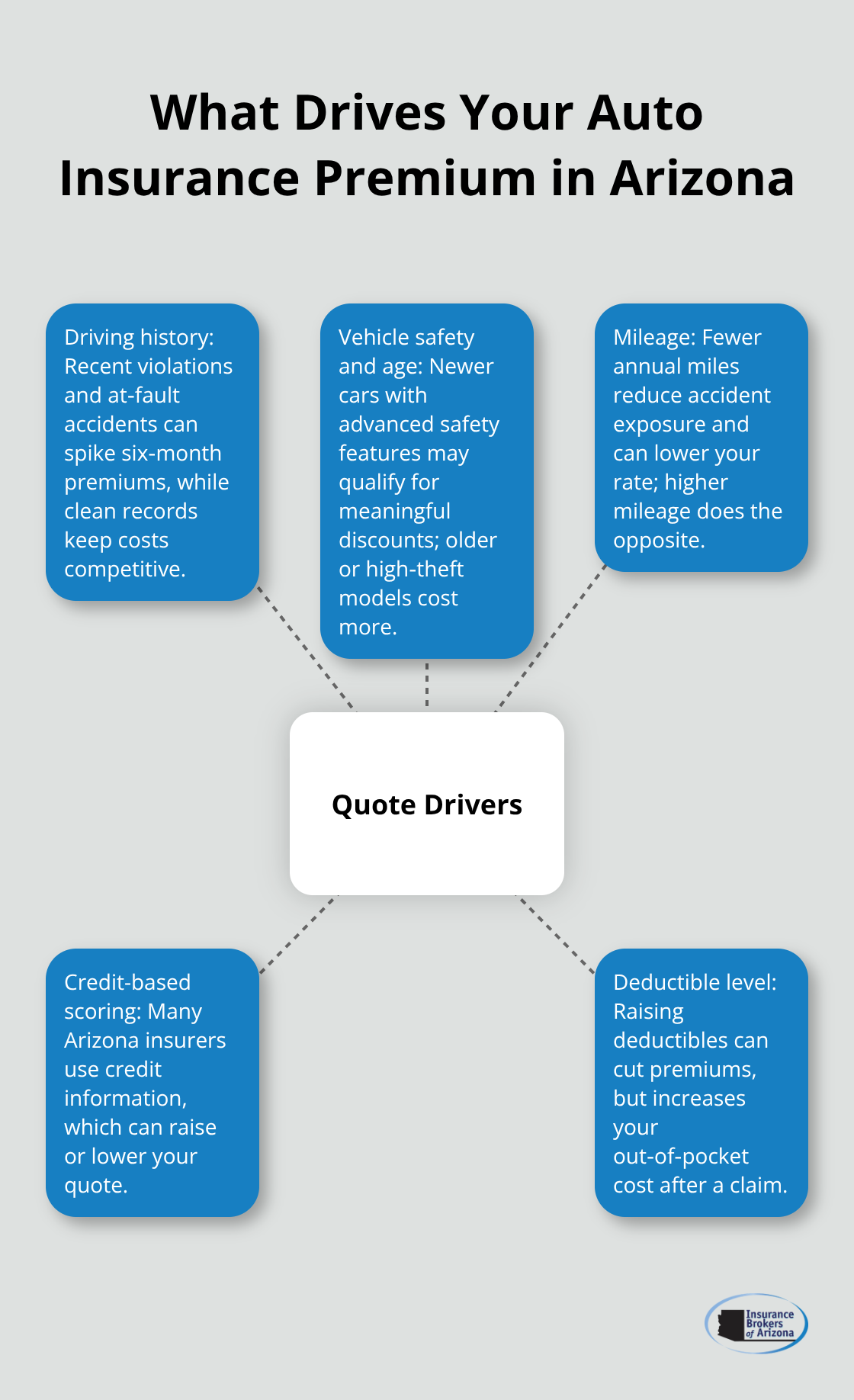
Your credit score affects your insurance premiums more than most people realize. Insurance companies use credit-based insurance scores to predict claim likelihood, with poor credit potentially raising your rates by 50-100% compared to excellent credit. Clients with credit scores below 600 often pay double what those with scores above 750 pay for identical coverage. Improving your credit score from fair to good can save you $400-800 annually on combined auto and home insurance.

Visual map showing the main factors that drive auto and homeowners insurance premiums in the U.S. - cheapest auto and homeowners insurance

Deductible Strategy Changes Everything

Higher deductibles reduce your premiums significantly, but most people choose the wrong amounts. Raising your auto deductible from $500 to $1,000 typically saves 10-15% on comprehensive and collision coverage, while increasing your homeowners deductible from $1,000 to $2,500 can cut premiums by 12-20%. The key lies in setting deductibles at amounts you can afford to pay out-of-pocket without financial strain.

Location Risk Factors You Cannot Control

Your ZIP code determines a substantial portion of your insurance costs through risk assessment algorithms. Urban areas with higher crime rates, severe weather patterns, and accident frequencies command premium increases of 30-60% over rural locations. Insurance companies analyze hyperlocal data including theft rates, natural disaster frequency, and traffic density within specific neighborhoods. Moving just five miles can sometimes reduce your premiums by hundreds of dollars annually (making location a critical factor when house hunting or relocating).

Coverage Limits Shape Your Rates

The coverage limits you select directly impact your premium costs. Higher liability limits increase your rates but provide better protection against lawsuits and major claims. Most drivers choose state minimum coverage without understanding the financial risks they face. Increasing your auto liability from state minimums to $100,000/$300,000 typically adds only $50-100 annually but provides substantially better protection.

These pricing factors work together to create your final premium, but smart shoppers know how to minimize costs through strategic choices and comparison techniques.

How Can You Cut Insurance Costs by Hundreds

Master the Art of Policy Bundling

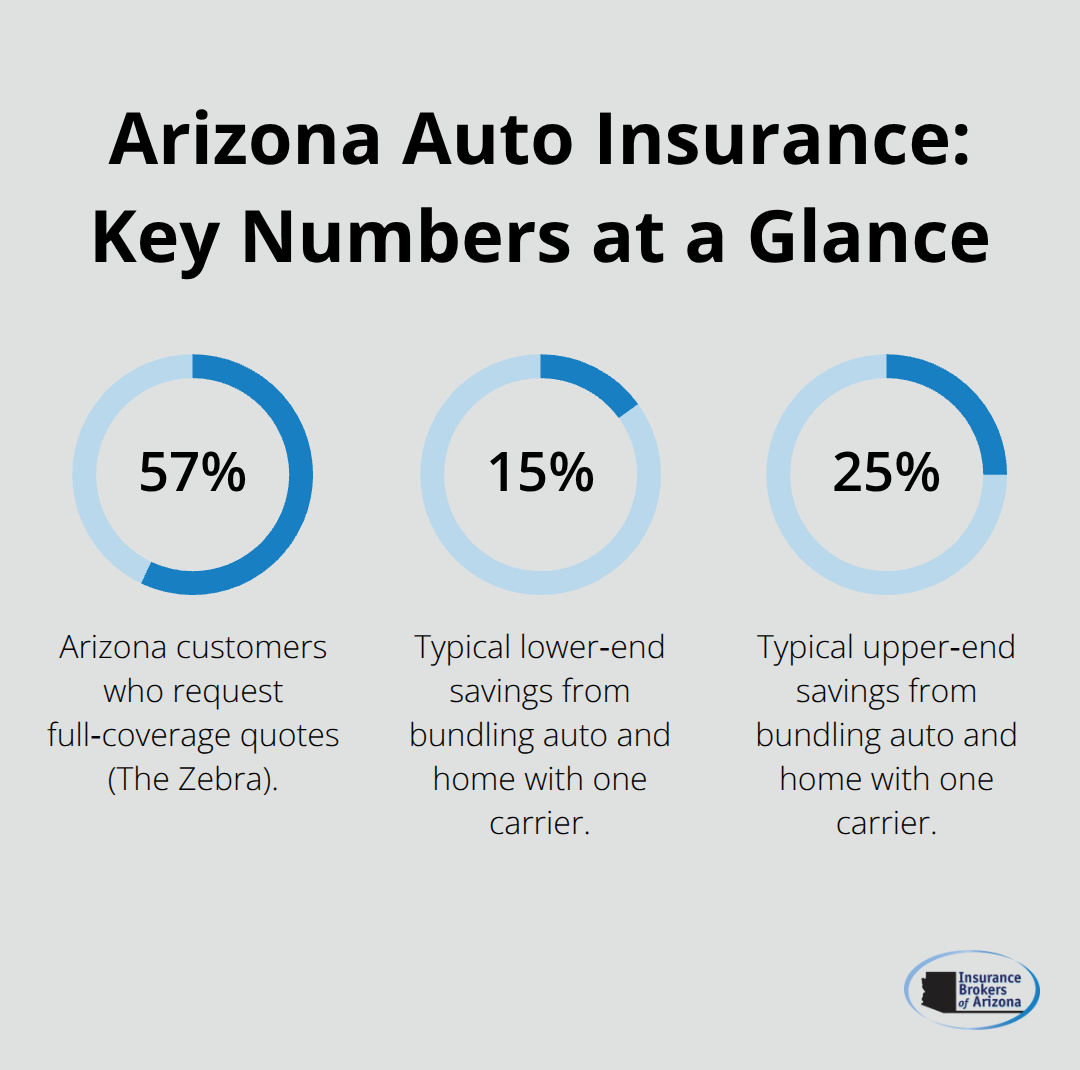
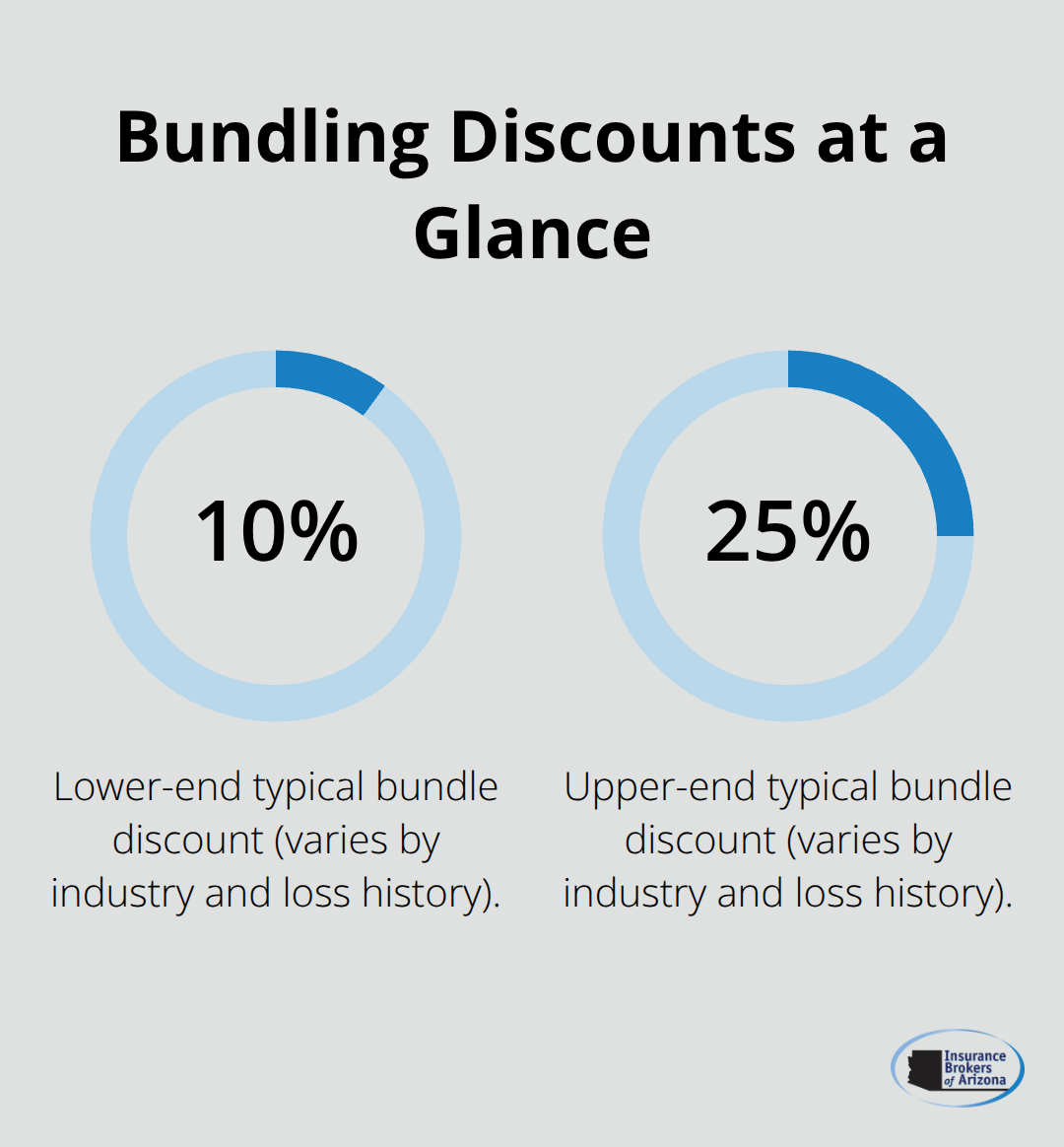
Bundling auto and homeowners insurance with the same carrier saves you between 5% and 30% on total premiums according to industry data. Liberty Mutual reports their new customers save an average of $950 annually through bundled policies, while some carriers like Amica offer up to 30% discounts for combined coverage. The savings compound when you add additional vehicles under the multi-car discount, which can reduce each additional vehicle’s premium by 10-25%.

However, bundling only works when the combined discounted price beats separate policies from different carriers. We recommend you calculate both scenarios before you commit to any bundle arrangement. Some carriers excel at auto insurance while others provide better homeowners rates, making separate policies the smarter financial choice.

Compare Quotes From Multiple Carriers Strategically

Shopping at least five different insurance companies can reduce your costs by 20-40% for identical coverage levels. Rate variations between carriers for the same coverage profile often exceed $1,000 annually, which makes comparison shopping the single most effective cost-reduction strategy. Focus your comparisons on highly-rated carriers with strong financial stability ratings from A.M. Best Company.

Use online comparison tools like The Zebra, which compares quotes from over 100 companies in approximately 5 minutes, or work with independent agents who access multiple carrier networks. The key lies in comparing identical coverage limits and deductibles rather than just premium prices (since coverage differences can create misleading cost comparisons).

Maximize Available Discount Programs

Insurance carriers offer numerous discounts beyond bundling that most customers never request. Safe driving discounts reduce premiums by 10-30% for claim-free periods of three to five years. Good credit discounts can save another 10-20% on total premiums. Security system discounts for homes with monitored alarms provide 5-15% reductions on homeowners coverage.

Eco-friendly discounts from carriers like Travelers reward hybrid vehicle owners and certified green home owners with additional savings. Professional association memberships, military service, and loyalty programs offer further reductions. The critical step involves asking each carrier specifically about all available discounts during the quote process rather than assuming they will automatically apply them.

Checklist of common auto and home insurance discounts available in the United States. - cheapest auto and homeowners insurance

These cost-cutting strategies work best when you avoid common mistakes that unknowingly inflate your premiums.

What Insurance Mistakes Cost You Money

Minimum Coverage Creates Maximum Financial Risk

State minimum auto insurance coverage exposes you to catastrophic financial losses that far exceed any premium savings. Texas requires only $30,000 per person and $25,000 for property damage, but a single serious accident can generate medical bills that exceed $100,000 and property damage claims that reach $50,000 or more. Drivers with minimum coverage face personal bankruptcy when their $30,000 liability limit cannot cover a $200,000 injury claim, which forces them to pay hundreds of thousands from personal assets. The difference between minimum coverage and adequate $100,000/$300,000 limits costs only $50-100 annually but protects against million-dollar lawsuits that destroy financial stability.

Annual Policy Reviews Prevent Rate Creep

Insurance companies raise rates annually through small increases that compound over time, yet 70% of policyholders never review their coverage after the initial purchase. Carriers count on customer inertia and gradually increase premiums by 3-8% yearly while competitors offer lower rates for identical coverage.

Chart showing the share of policyholders who never review their insurance after purchase.

Clients who skip annual reviews pay 15-25% more after three years compared to active shoppers who switch carriers every two to three years. Life changes like marriage, new jobs, home improvements, or paid-off vehicles qualify you for additional discounts, but insurers will not automatically apply these savings unless you specifically request coverage updates and discount reviews.

Unreported Changes Leave Money on the Table

Policyholders lose hundreds of dollars in missed discounts when they fail to report changes that qualify for rate reductions. Security system installations, defensive course completions, or milestone birthdays trigger discount eligibility that requires active notification to your carrier. Remote work arrangements that reduce daily commutes can lower auto premiums by 10-20% through low-mileage discounts, but insurers maintain higher rates unless you report reduced patterns. Home improvements like new roofs, updated electrical systems, or security upgrades reduce risk profiles and qualify for premium reductions, yet most homeowners continue to pay higher rates for outdated risk assessments that no longer reflect their actual situation.

Final Thoughts

The cheapest auto and homeowners insurance comes to those who treat coverage selection as an active annual process rather than a set-and-forget decision. Smart buyers compare quotes from multiple carriers every 12-18 months, maintain excellent credit scores, and actively pursue all available discounts. These strategies consistently reduce insurance costs by 20-30% while maintaining comprehensive protection.

Independent agents provide valuable expertise when you own multiple properties, operate a business, or face complex coverage needs that require specialized knowledge. These professionals access multiple carrier networks and identify coverage gaps that online tools often miss. We at Insurance Brokers of Arizona® connect clients with personalized insurance solutions that match specific risk profiles and budget requirements.

Smart insurance shoppers save $800-1,500 annually while maintaining superior coverage protection compared to those who accept the first quote they receive. These savings compound over decades and create substantial wealth preservation that supports long-term financial goals (making strategic insurance decisions one of the most effective ways to protect both assets and budgets). The most successful approach adapts coverage decisions to changing life circumstances rather than maintaining static policies year after year.

Your car faces threats beyond accidents every day. Hail storms, theft, vandalism, and falling trees can cause thousands in damage that basic coverage won’t touch.

We at Insurance Brokers of Arizona® see drivers asking “what is comprehensive auto insurance” after discovering these gaps the hard way. This coverage protects against non-collision damage that standard policies miss.

What Does Comprehensive Coverage Actually Protect

Comprehensive auto insurance acts as your financial shield against everything that isn’t a collision. Weather damage tops the list of covered perils, with hail that causes an average of $4,000 in repairs per vehicle according to the Insurance Information Institute. Theft protection becomes vital when you consider that approximately 1 in 10 cars face theft during their lifetime. Vandalism coverage handles everything from keyed paint to broken windows, while animal strikes cost drivers an average of $4,341 per incident based on State Farm data.

Hub-and-spoke diagram showing the main perils covered by comprehensive auto insurance for Arizona drivers. - what is comprehensive auto insurance

The Coverage Gap Between Comprehensive and Other Insurance Types

Liability insurance only covers damage you cause to others and leaves your vehicle completely unprotected. Collision coverage handles crashes with other vehicles or stationary objects but stops there. Comprehensive fills this massive protection gap and covers fire damage, fallen objects, civil disturbances, and glass breakage. The median national cost for full coverage that includes comprehensive runs approximately $2,300 per year according to NerdWallet data from November 2025. Most drivers underestimate these risks until they face a $15,000 hail damage bill or discover their stolen vehicle.

Real Damage Costs That Prove Comprehensive Value

Arizona drivers face specific threats that make comprehensive coverage essential rather than optional. Summer monsoons regularly produce golf ball-sized hail that can total vehicles, while dust storms cause paint and windshield damage. Vehicle theft rates climb in urban areas like Phoenix, where luxury trucks and SUVs become prime targets. Tree damage from winter storms can easily exceed $8,000 in repairs for a single fallen branch through your roof or windshield.

These real-world scenarios highlight why smart Arizona drivers evaluate their specific risk factors when they choose their coverage levels.

When Does Arizona Make Comprehensive Coverage Non-Negotiable

Arizona’s extreme weather patterns create perfect storms for vehicle damage that make comprehensive coverage essential rather than optional. The National Weather Service reports that Arizona experiences over 2,000 hail events annually, with Phoenix and Tucson seeing the highest concentration of storms between March and September. These storms produce hail larger than golf balls that causes $8,000 to $15,000 in vehicle damage within minutes. Monsoon season brings additional threats including flash floods that destroy engines and electronics, plus dust storms that sandblast paint and crack windshields.

Vehicle Crime Rates That Demand Protection

Phoenix ranks among the top 20 cities for vehicle theft in the United States, with over 8,500 vehicles stolen in 2023 according to FBI crime statistics. Luxury pickup trucks and SUVs face the highest theft rates, particularly Ford F-150s and Chevrolet Silverados that thieves target for parts resale. Vandalism costs Arizona drivers an average of $1,800 per incident based on insurance claims data, with parking lots near shopping centers and apartment complexes experiencing the highest rates. Car break-ins spike during tourist season when criminals target rental vehicles and out-of-state plates.

Financial Stakes for High-Value Vehicles

Vehicles worth more than $25,000 create financial risks that comprehensive coverage addresses directly. New vehicle depreciation means you lose 20% of value in the first year, but comprehensive coverage protects against total loss from theft or severe weather damage. Luxury vehicle repair costs average 40% higher than standard vehicles, making comprehensive coverage financially smart for BMW, Mercedes, and Lexus owners. Financed vehicles require comprehensive coverage from most lenders, but smart drivers maintain this protection even after payoff to avoid devastating out-of-pocket expenses.

Smart Coverage Decisions Based on Risk Assessment

Arizona drivers must weigh their specific risk factors against coverage costs to make informed decisions. Urban areas like Phoenix and Scottsdale face higher theft rates, while rural areas deal with increased animal collision risks and limited repair facilities. Older vehicles with values below $5,000 may not justify comprehensive premiums (especially with high deductibles), but newer vehicles demand this protection. The key lies in understanding how deductible choices and coverage limits affect both your premiums and potential out-of-pocket costs when claims occur.

How Much Does Comprehensive Coverage Actually Cost

Arizona drivers pay between $180 and $420 annually for comprehensive coverage according to state insurance department data, with costs that vary dramatically based on vehicle value and location. Phoenix residents face the highest premiums due to elevated theft rates and hail frequency, while rural areas like Flagstaff see lower costs but higher animal collision risks. Vehicle age drives premium calculations significantly – a 2024 Ford F-150 costs $380 yearly for comprehensive coverage compared to $190 for a 2018 model with similar coverage limits. Insurance companies factor your ZIP code crime statistics, local weather patterns, and claims history when they calculate rates, which makes location selection critical for cost control.

Compact ordered list of key factors that influence comprehensive insurance premiums in Arizona. - what is comprehensive auto insurance

Deductible Choices That Slash Your Premiums

Smart deductible selection cuts comprehensive premiums by 25% to 40% while it maintains essential protection. A $1,000 deductible instead of $250 reduces annual premiums by approximately $150 for most Arizona drivers, but requires financial readiness for higher out-of-pocket costs when claims occur. Drivers with older vehicles often select $500 deductibles as the sweet spot between affordable premiums and manageable claim costs. Luxury vehicle owners often choose lower $250 deductibles since repair costs frequently exceed $5,000 (which makes the premium difference worthwhile for financial predictability).

Multi-Policy Discounts That Deliver Real Savings

Auto and homeowners insurance bundles generate 15% to 25% discounts on both policies with most carriers, which creates annual savings of $300 to $600 for typical Arizona families. Renters insurance added to your auto policy produces similar savings while it provides valuable personal property protection. Multi-vehicle discounts apply when you insure two or more vehicles with the same company and reduce each vehicle premium by 8% to 12%. Good driver discounts stack with bundling benefits and potentially reduce your comprehensive coverage costs by 35% when combined with other available discounts through proper policy structure.

Percentage chart highlighting common comprehensive insurance discounts for Arizona drivers.

Geographic Risk Factors That Impact Rates

Arizona’s diverse geography creates distinct risk zones that directly affect comprehensive premiums. Scottsdale and Paradise Valley face elevated rates due to luxury vehicle concentrations and higher theft targets, while Tucson experiences moderate pricing with seasonal hail risks. Rural counties like Cochise and Mohave offer the lowest comprehensive rates but present unique challenges with limited repair facilities and increased wildlife collision risks. Mountain communities near Flagstaff deal with winter storm damage and falling tree risks that insurance companies factor into their rate calculations (making location-specific coverage evaluation essential).

Final Thoughts

Comprehensive auto insurance protects Arizona drivers against the state’s unique risks that basic coverage ignores. With over 2,000 annual hail events, theft rates that climb in Phoenix, and monsoon damage that can total vehicles, this coverage prevents financial disasters that cost thousands in repairs or replacement. Arizona’s extreme weather patterns and urban crime rates make this protection essential for most drivers, especially those with newer or high-value vehicles.

Smart coverage decisions balance your vehicle’s value against local risk factors and premium costs. Rural drivers face different threats than urban residents, while luxury vehicle owners need different protection levels than economy car drivers. What is comprehensive auto insurance becomes clear when you consider it covers theft, weather damage, vandalism, and animal strikes that liability and collision policies miss completely.

We at Insurance Brokers of Arizona® work with multiple carriers to find comprehensive coverage that fits your specific situation and budget. Our approach helps Arizona families and businesses secure the right protection at competitive rates (backed by exceptional customer service from our experienced team). Contact us today to review your current coverage and protect your vehicle against Arizona’s unique risks.