Log truck operations face unique risks that standard commercial vehicle insurance simply can’t handle. Timber transport requires specialized coverage for high-value cargo, dangerous routes, and heavy equipment.

We at Insurance Brokers of Arizona® have analyzed the leading commercial log truck insurance companies to help you make an informed decision. The right provider can save you thousands while protecting your logging business from costly claims.

Which Log Truck Insurance Companies Deliver Best Value

Progressive Commercial Leads Cost Competition

Progressive Commercial dominates log truck insurance with rates that average $8,000 to $12,000 annually for $750,000 primary liability coverage. Their Smart Haul program cuts premiums by an average of $1,056 when operators use electronic devices for logs. Progressive holds an A+ rating from AM Best and has served commercial truckers since 1937.

The company processes claims 24/7 and offers same-day certificate issuance, which logging operations need for quick contract turnarounds. Their cargo coverage extends to timber-specific risks that include load shifts and environmental damage during transport. Progressive’s specialized approach addresses the unique challenges that timber haulers face on dangerous routes.

State Farm Provides Comprehensive Fleet Solutions

State Farm excels at coverage for large fleets with bundled policies that reduce administrative complexity. Their comprehensive packages include general liability, workers compensation, and equipment breakdown coverage in single policies. State Farm offers umbrella coverage up to $5 million (essential for high-severity timber transport accidents).

The company maintains strong financial ratings and provides dedicated fleet specialists who understand risks in the industry. Their coverage includes protection for specialized equipment like log loaders and delimbers that standard commercial policies exclude. State Farm’s fleet approach works particularly well for established operations with multiple vehicles.

GEICO Commercial Streamlines Claims Through Technology

GEICO Commercial transforms log truck insurance through digital claim reports and real-time policy management. Their mobile app allows drivers to report accidents immediately from remote sites, which reduces claim processing time by up to 40%. GEICO offers competitive rates for operators with clean records and provides instant quote comparisons online.

Summary of strengths for Progressive Commercial, State Farm, and GEICO Commercial in the U.S. log truck insurance market. - commercial log truck insurance companies

The company covers over 500,000 commercial vehicles nationwide and maintains a complaint rate below industry averages (according to the National Association of Insurance Commissioners). Their technology-first approach appeals to younger operators who prefer digital tools over traditional phone-based service.

These three providers represent different strengths in the log truck insurance market, but coverage types matter just as much as the company you choose.

What Coverage Types Protect Log Truck Operations

Log truck operations need three specific coverage types that standard commercial policies often exclude or provide inadequate limits. Cargo insurance for timber loads must cover the full replacement value of logs, which averages $2,000 to $8,000 per load depending on species and market prices. This coverage protects against theft, environmental damage, and load shifts that can destroy entire shipments during transport.

Cargo Insurance Addresses Timber-Specific Risks

Timber cargo faces unique hazards that standard freight coverage cannot handle. Load shifts during sharp turns or sudden stops can damage entire shipments worth thousands of dollars. Environmental factors like rain, snow, and extreme temperatures affect wood quality and market value. Theft rates for timber loads have increased 15% over the past three years (according to cargo theft statistics), making comprehensive cargo coverage essential for profitable operations.

Equipment Coverage Protects Specialized Machinery

Equipment coverage for logging machinery extends far beyond basic commercial vehicle insurance. Log loaders, delimbers, and specialized trailers require separate coverage because their replacement costs range from $150,000 to $500,000 per unit. Standard commercial policies typically cap equipment coverage at $50,000, which leaves massive gaps for logging operations. The Federal Motor Carrier Safety Administration requires specific equipment standards that can void coverage if not met.

General Liability Handles Catastrophic Damage Claims

General liability coverage for log truck operations must account for the catastrophic damage potential of 80,000-pound vehicles carrying shifting loads. Timber haulers face liability claims averaging $850,000 per incident according to National Association of Insurance Commissioners data, significantly higher than standard commercial trucking. Log trucks cause more severe injuries in collisions due to their weight, with approximately 60% of timber hauling occurring in southern states where accident rates peak during wet seasons.

Percentage highlights for timber hauling concentration and theft trend in the United States. - commercial log truck insurance companies

Understanding these coverage requirements helps logging operators identify gaps in their current policies, but several factors determine how much these protections will cost your operation.

What Drives Your Log Truck Insurance Costs

Driver experience creates the largest variance in log truck insurance premiums. Operators with less than three years of commercial experience pay up to 40% more than seasoned drivers. Insurance carriers examine Commercial Driver License records for violations, weight infractions, and hours-of-service penalties. Clean records over five years reduce premiums by $2,000 to $3,500 annually (according to Progressive Commercial data), while single serious violations increase costs by an average of $1,800 per year.

Geographic Routes Determine Risk Multipliers

Southern states where 60% of timber transport occurs face higher premiums due to wet season accident spikes and terrain challenges. Alabama, Florida, Georgia, Mississippi, and South Carolina show the highest claim frequencies for log truck operations, with rates 25% above national averages. Mountain routes with steep grades and curves trigger additional surcharges of $500 to $1,200 annually, while interstate-only operations receive discounts of 8% to 12%. Insurance carriers analyze specific route data (elevation changes, weather patterns, and historical accident frequencies) to calculate location-based adjustments.

Hub-and-spoke visualization of primary cost drivers for U.S. log truck insurance.

Vehicle Age and Safety Technology Impact Rates

Trucks older than 10 years face surcharges of 15% to 30% due to higher breakdown risks and outdated safety systems. Electronic devices reduce premiums through programs like Progressive’s Smart Haul, which offers average savings of $1,056 annually. Anti-lock brakes, electronic stability control, and collision avoidance systems lower rates by 5% to 15% depending on the carrier. Newer trucks with comprehensive safety packages often qualify for fleet discounts even with single-vehicle operations, which makes equipment upgrades financially beneficial beyond operational improvements.

Final Thoughts

Progressive Commercial, State Farm, and GEICO Commercial represent the strongest options among commercial log truck insurance companies, each with distinct advantages for different operation types. Progressive leads with competitive rates and specialized timber transport coverage, State Farm excels at comprehensive fleet solutions, while GEICO streamlines claims through advanced technology. These carriers understand the unique risks that timber haulers face daily.

Specialized coverage remains non-negotiable for timber transport operations. Standard commercial policies cannot address the unique risks of timber transport, from cargo shifts worth thousands to catastrophic liability claims that average $850,000. The combination of proper cargo insurance, equipment coverage, and adequate liability limits protects your business from industry-specific hazards that generic policies exclude.

We at Insurance Brokers of Arizona® work with multiple reputable carriers to find competitive options tailored to your specific needs (including the three providers discussed above). Our expertise in commercial insurance helps timber transport operations secure comprehensive protection while they manage costs effectively. Contact Insurance Brokers of Arizona® today to get personalized quotes that address your timber transport risks and operational requirements.

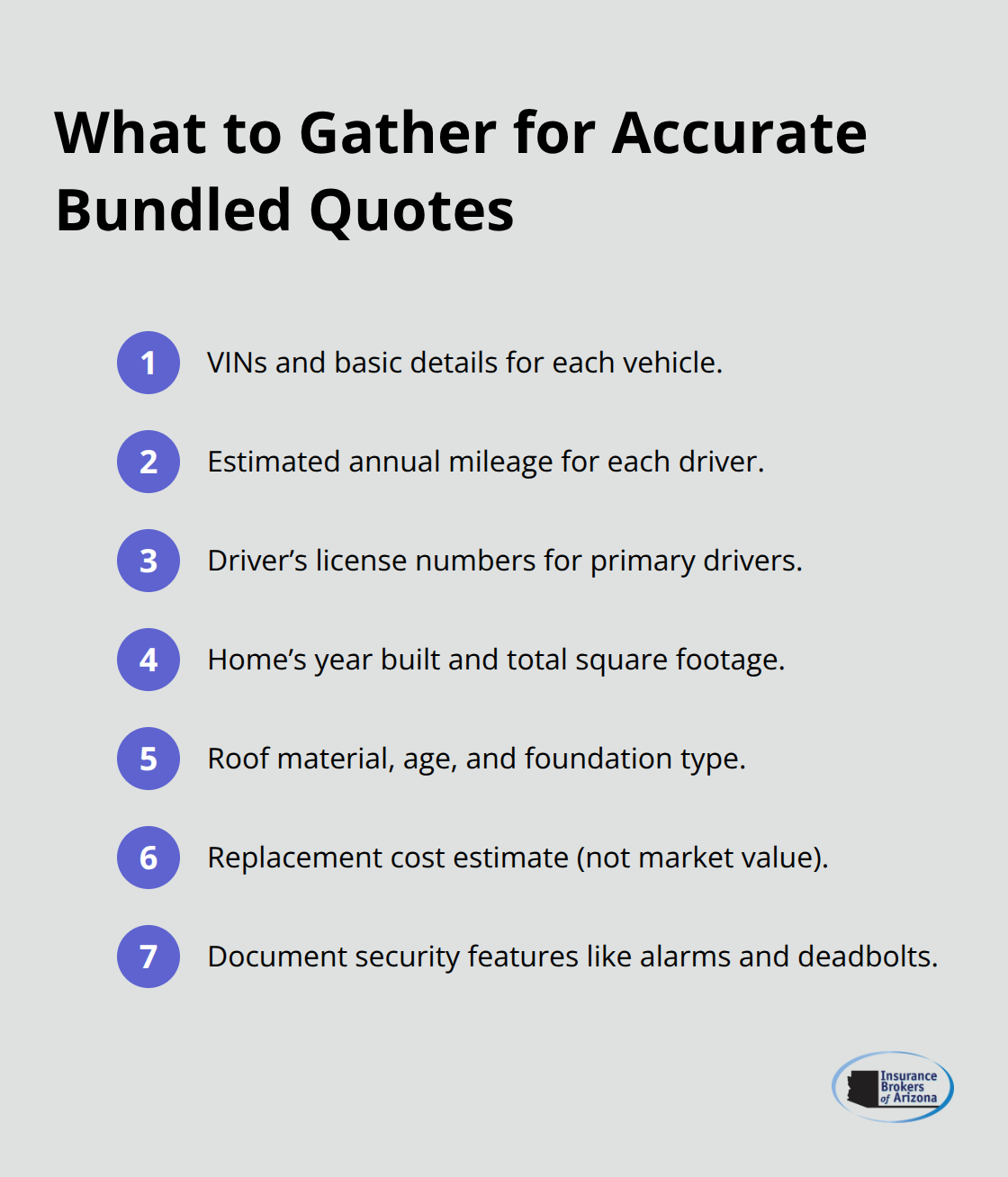
Home and auto insurance bundles can slash your premiums by 5% to 25% compared to separate policies. Most major carriers offer these multi-policy discounts, but finding the cheapest home and auto insurance requires strategic comparison shopping.

We at Insurance Brokers of Arizona® see clients save hundreds annually by bundling smartly. The key lies in comparing coverage options while maintaining adequate protection levels.

How Bundle Discounts Actually Work

Insurance companies combine your auto and home policies under one carrier to trigger automatic multi-policy discounts. This arrangement benefits insurers because they prefer customers with multiple policies, which reduces their acquisition costs and increases customer retention rates. The discount applies to your base premium before other savings, which makes it a powerful cost-reduction tool.

Real Savings Numbers From Major Carriers

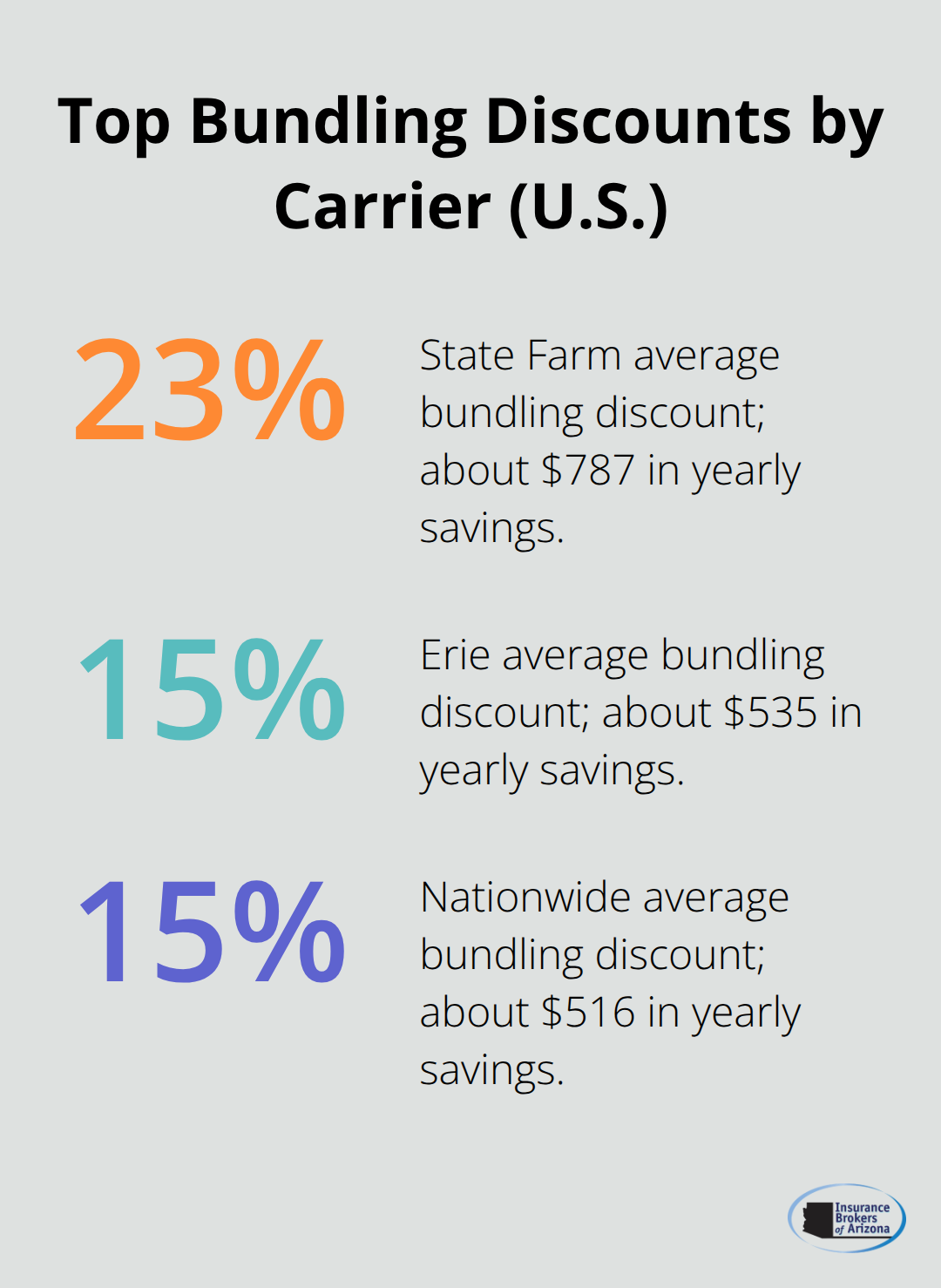
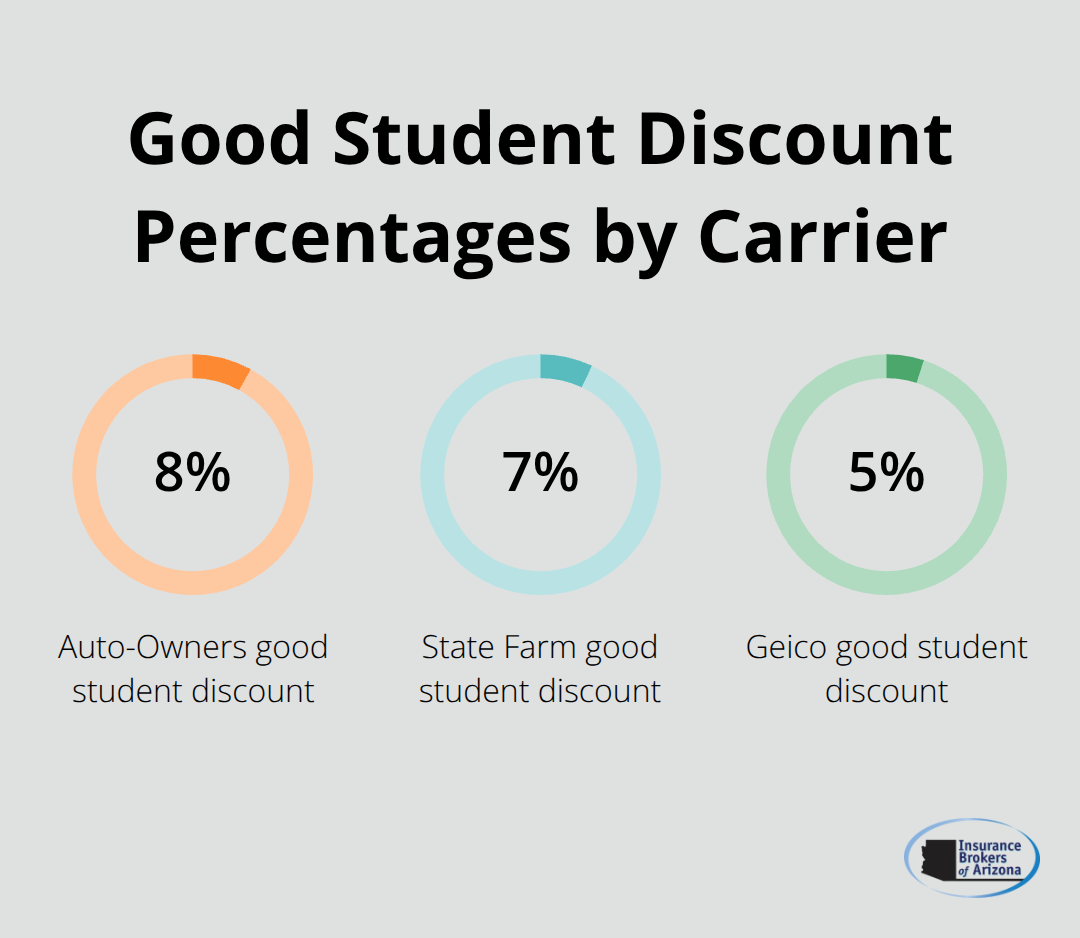
State Farm leads with bundle savings up to $1,356 annually, while American Family offers the highest percentage discount at 40%. Progressive reports average savings of $1,086 for new bundled customers compared to $946 for standalone auto policies. Auto-Owners provides the cheapest bundled rates at $1,878 annually despite offering only 10% discounts.

USAA restricts eligibility to military families but delivers consistent 10% savings. Amica reaches 30% discounts but charges higher base auto rates. These numbers come from NerdWallet analysis of nearly 2 billion rates across all states (covering over 700 insurers).

Chart showing bundle discount percentages for American Family, Amica, and USAA.

How Carriers Calculate Your Bundle Discount

Most insurers apply the multi-policy discount to your home insurance premium first, then calculate additional discounts. Some companies like Progressive automatically apply discounts when you add policies, which streamlines the process. The percentage varies based on your coverage limits, deductible amounts, and claim history.

Carriers also factor in your credit score and location when they determine final rates. Higher dwelling coverage amounts typically qualify for larger percentage discounts (up to the carrier’s maximum threshold).

Additional Bundle Benefits Beyond Price

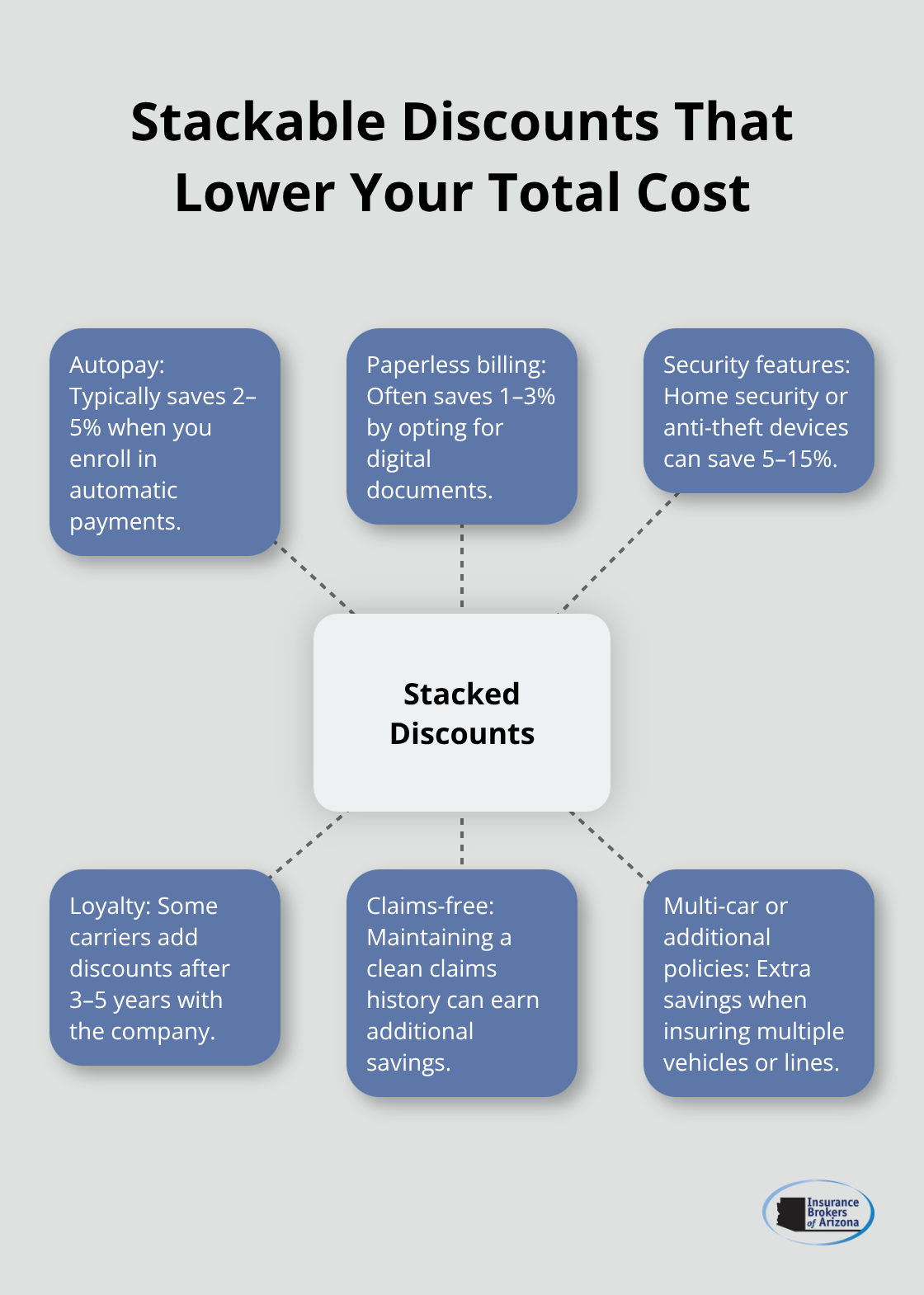
Single deductible policies eliminate confusion when one incident damages both your car and home. Paperless billing discounts stack with bundle savings for additional reductions. Some insurers extend options to RV, boat, and motorcycle coverage for even greater savings.

The simplified claims process through one carrier reduces paperwork and speeds settlements when disasters strike both properties simultaneously. Now that you understand how bundle discounts work, the next step involves smart comparison tactics to find the lowest rates.

How to Compare Bundle Quotes Effectively

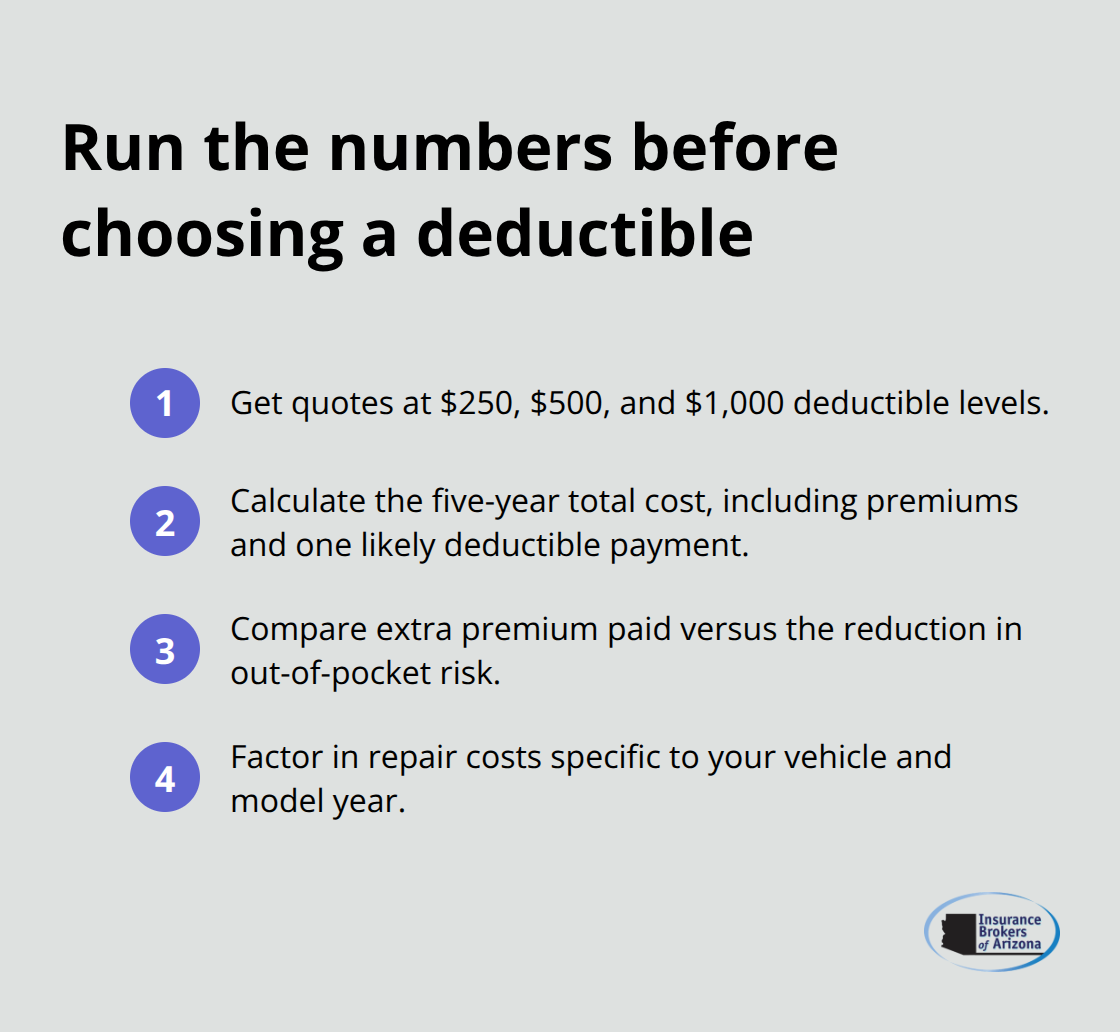
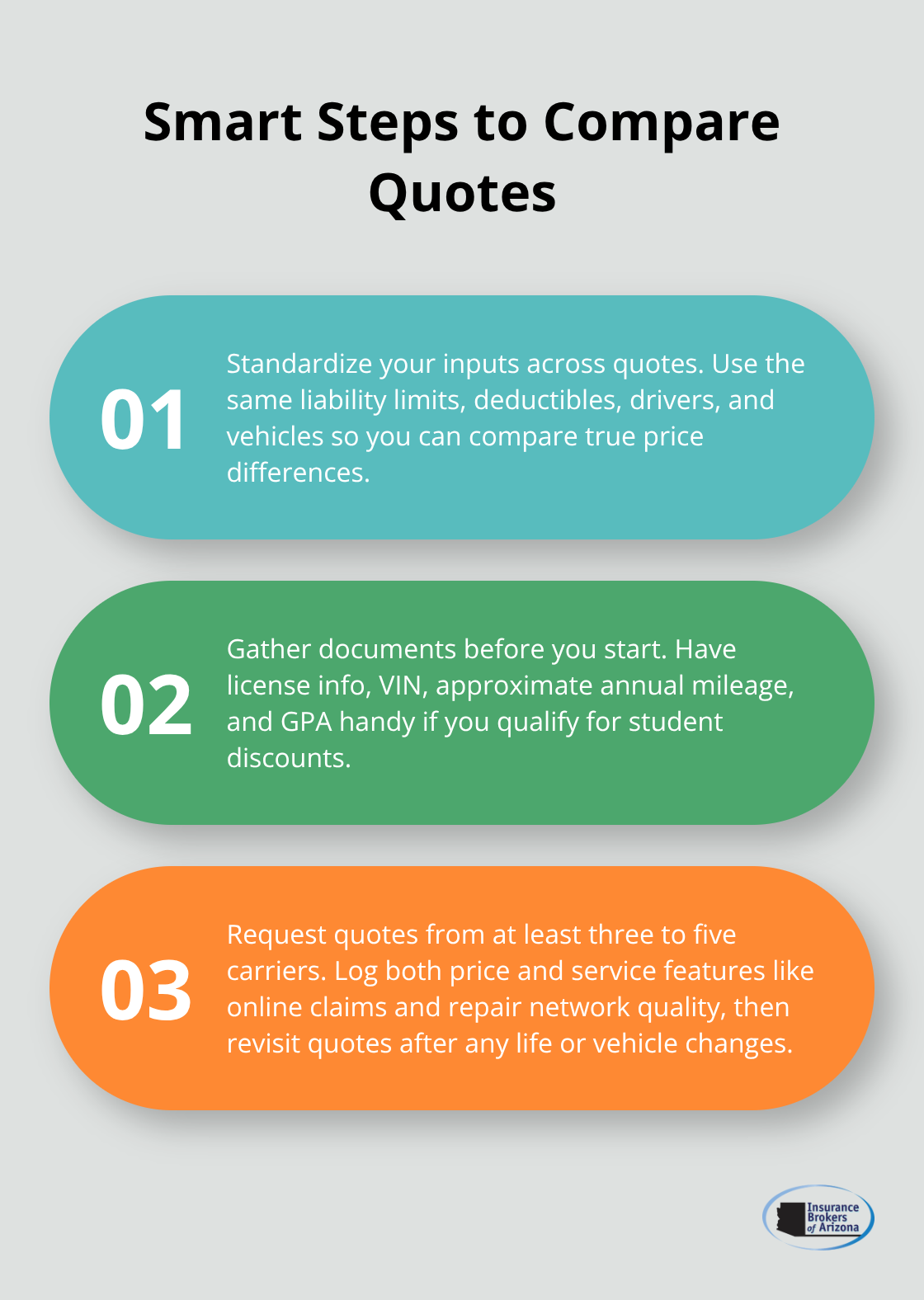
Effective bundle comparison requires identical coverage limits across all carriers to avoid misleading price differences. Start with your current coverage amounts as the baseline, then request quotes for $250,000/$500,000/$100,000 auto liability limits and dwelling coverage that matches your home’s replacement cost. Many shoppers accept whatever coverage amounts carriers suggest, which creates apples-to-oranges comparisons that hide true cost differences.

Direct Carrier Websites Deliver Better Results Than Third-Party Tools

Skip insurance comparison websites that collect your information and sell it to multiple carriers. These platforms rarely show actual bundle prices and often display teaser rates that increase during the application process. Visit carrier websites directly or call their customer service lines for accurate bundle quotes instead.

State Farm, Progressive, and Allstate provide instant online quotes that include multi-policy discounts, while USAA requires military verification before it shows rates. This direct approach takes more time but delivers precise prices without unwanted sales calls from multiple agents.

Essential Questions for Agent Consultations

Independent agents can access multiple carriers simultaneously, but you must ask pointed questions to get meaningful comparisons. Request the exact percentage discount for bundling and whether it applies to both policies or just one. Ask about claim-free discounts, security system reductions, and whether rates increase after the first year.

Compact list of essential questions to ask agents when comparing bundle quotes. - cheapest home and auto insurance

Most importantly, demand to see the total annual cost breakdown that includes all fees and taxes. Agents often emphasize monthly payments that obscure higher annual costs or exclude processing fees (which add $50 to $100 yearly).

Coverage Verification Steps That Matter

Compare identical deductible amounts across all quotes to maintain consistency. Verify that each carrier includes the same optional coverages like rental car reimbursement and roadside assistance. Check whether home policies include replacement cost coverage rather than actual cash value, which can create significant gaps in protection.

Checkmark list of steps to verify coverage details across bundle quotes. - cheapest home and auto insurance

Document each carrier’s complaint ratio through the National Association of Insurance Commissioners database. Companies with lower complaint ratios typically provide better claims service when you need it most. These verification steps prevent costly surprises after you purchase coverage and help identify which strategies will reduce your premiums further.

Top Strategies for Lowering Bundle Premiums

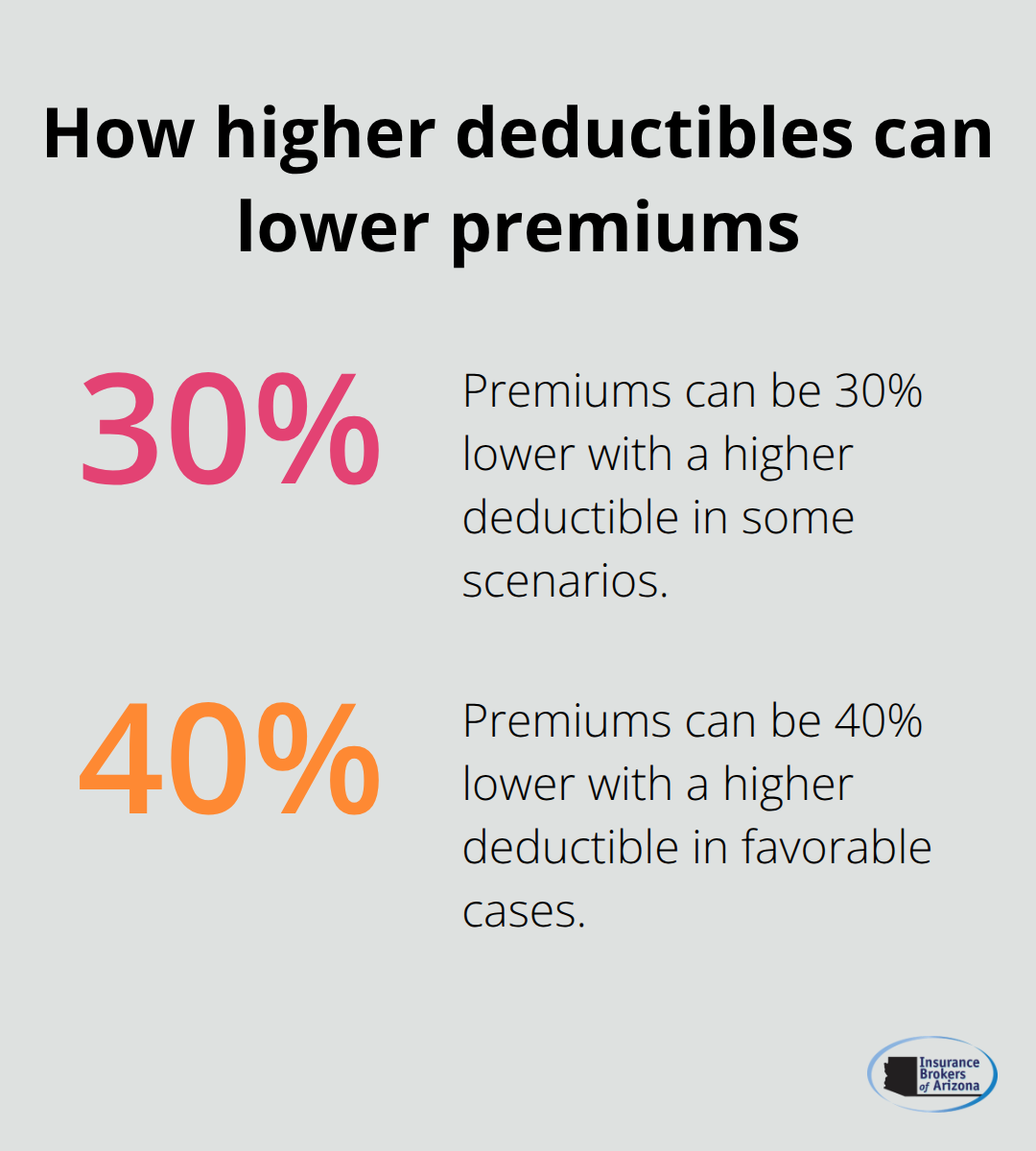
Higher deductibles from $500 to $1,000 typically reduce home insurance premiums by 25% and auto premiums by 15% according to the Insurance Information Institute. This strategy works because higher deductibles transfer more risk to you, which insurers reward with lower monthly payments. The math favors this approach if you can afford the higher out-of-pocket costs during claims.

Most homeowners save $200 to $400 annually when they double their deductibles, while auto policyholders reduce premiums by $100 to $300 yearly. The savings compound when you apply higher deductibles to both policies in your bundle.

Security Systems Slash Home Insurance Rates

Monitored burglar alarms reduce home insurance premiums by 5% to 20% with most carriers. Fire detection systems connected to central monitoring stations qualify for additional discounts of 10% to 15%. State Farm and Allstate offer the highest security discounts, while USAA provides smaller reductions but maintains lower base rates.

Anti-theft devices in vehicles generate auto insurance discounts of 5% to 15%, with comprehensive coverage seeing the largest reductions. Modern car alarms and GPS tracking systems qualify for these discounts with most major carriers.

Credit Scores Drive Premium Calculations

Credit scores above 750 unlock the lowest rates from most insurers in states that allow credit-based pricing. Scores below 650 can increase premiums by 50% or more compared to excellent credit customers. This factor affects both home and auto insurance rates significantly.

Paying bills on time and reducing credit card balances improves your insurance rates within 6 to 12 months. The impact varies by state (California, Hawaii, and Massachusetts prohibit credit scoring for auto insurance).

Clean Records Maximize Discounts

Three years without accidents eliminates surcharges completely from most carriers. Single violations can increase rates by 20% to 40% depending on severity and the specific carrier’s guidelines. Traffic tickets affect rates for three to five years, while major violations like DUI impact premiums for up to seven years.

Defensive driving courses reduce auto premiums by 5% to 10% in many states and can help offset recent violations. Some carriers offer accident forgiveness programs that prevent rate increases after your first at-fault claim.

Final Thoughts

The cheapest home and auto insurance bundle demands systematic comparison across multiple carriers with identical coverage limits. Gather quotes from at least three major insurers and verify each quote includes the same deductibles, liability limits, and optional coverages. Document the exact bundle discount percentage and total annual costs (including all fees).

Bundles work best for customers with clean records, good credit scores, and standard coverage needs. Separate policies sometimes cost less than bundles when one carrier excels at auto insurance while another dominates home coverage. Military families should always check USAA first, while customers with recent violations might find better rates through specialized carriers.

We at Insurance Brokers of Arizona® compare bundle options across multiple reputable carriers that individual shoppers cannot access directly. Our partnerships help identify coverage gaps that online tools miss and match your specific needs with competitive options. Insurance Brokers of Arizona® provides personalized service that delivers the most suitable coverage for your situation.

Manufactured homes face unique insurance challenges that standard homeowners policies don’t address. Finding the right coverage requires understanding specialized protection needs and carrier expertise.

We at Insurance Brokers of Arizona® help clients navigate the best manufactured home insurance companies available today. The right insurer makes all the difference in protecting your investment and peace of mind.

What Separates Good Manufactured Home Insurers

Good manufactured home insurers distinguish themselves through specialized HO-7 policies designed specifically for manufactured home risks. State Farm achieves a 97% claim approval rate with their manufactured home coverage, while American Modern specializes in different situations including seasonal and vacant homes. Foremost (a Farmers subsidiary) offers extended replacement cost coverage that goes beyond standard limits.

Coverage Options That Address Real Risks

The best insurers understand that manufactured homes built before 1976 face different risks than newer HUD-compliant units. American Family provides hidden water damage coverage and matching undamaged siding protection, which addresses common manufactured home vulnerabilities. Farmers allows extensive customization including flood and earthquake endorsements, while Allstate offers original owner discounts that can reduce premiums by up to 15% for homeowners who qualify.

Financial Stability and Claims Performance

Strong insurers process claims efficiently with American Family at 97% approval rates and average times of 1-2 weeks. State Farm scores 661 out of 1,000 in the J.D. Power 2024 study with consistent claim payments. These companies maintain adequate reserves to handle catastrophic losses that affect manufactured home communities disproportionately. Weak insurers delay payments or deny valid claims, which leaves homeowners financially exposed when they need repairs most.

Comparison of claim approval rates for leading manufactured home insurers in the U.S.

Local Support Networks

State Farm operates the largest agent network with local representatives who understand manufactured home regulations in each Arizona county. Foremost provides exceptional customer service through specialized manufactured home departments, while regional insurers often lack this expertise. Companies with strong local presence help navigate complex situations like home relocations and park compliance issues that online-only insurers cannot address effectively.

These factors separate quality insurers from basic coverage providers, but the specific companies that excel in manufactured home insurance deserve closer examination.

Which Insurers Excel at Manufactured Home Coverage

State Farm leads manufactured home insurance with their 661 J.D. Power rating and extensive agent network across Arizona. Their HO-7 policies include discounts for newer model years and home alert systems, with premiums that average $1,200-$1,800 annually for standard coverage. State Farm processes 93% of claims successfully within 1-2 weeks, which makes them reliable for manufactured home owners who need quick repairs.

State Farm advantages for Arizona manufactured home insurance customers. - best manufactured home insurance companies

State Farm Dominates Arizona Markets

State Farm agents understand Arizona’s manufactured home regulations and can navigate park compliance requirements that online insurers often miss. The company maintains the largest agent network in Arizona, with local representatives who know county-specific rules for manufactured homes. Their specialized training helps agents identify coverage gaps that generic homeowners policies leave exposed (particularly for homes built before 1976).

Allstate Targets Senior Demographics

Allstate offers compelling value for seniors over 55 with specialized discounts that reduce premiums by 15% for qualified homeowners. Their manufactured home policies include identity theft restoration and original owner discounts, with average costs that range $900-$2,100 annually. Allstate maintains a 93% claim approval rate with processing times of 1-2 weeks, though their agent network is smaller than State Farm’s. The company excels at serving retirees in manufactured home communities but lacks the customization options that younger homeowners often need.

GEICO and Progressive Lack Specialization

GEICO and Progressive offer manufactured home coverage but treat it as a secondary product line. Both companies lack specialized manufactured home departments and route claims through standard homeowners adjusters who don’t understand HO-7 policy nuances. Progressive’s online quote system frequently underestimates manufactured home risks, which leads to coverage gaps during claims. GEICO’s manufactured home policies exclude many perils that specialized insurers cover (particularly for homes built before 1976).

These coverage differences become apparent when homeowners face specific manufactured home risks that require specialized protection types.

What Coverage Do Manufactured Homes Actually Need

Manufactured homes need specialized dwelling coverage that addresses structural differences from site-built homes. Standard HO-7 policies provide replacement cost coverage that averages $75,000-$150,000 for single-wide units and $100,000-$250,000 for double-wide homes, but these limits often fall short of actual replacement costs. Personal property coverage typically runs 50-70% of dwelling limits, though manufactured home owners need higher percentages because their homes contain proportionally more personal belongings per square foot.

Key manufactured home coverage elements and benchmark amounts for U.S. homeowners. - best manufactured home insurance companies

Dwelling Protection Addresses Unique Structural Risks

American Family’s matching undamaged siding coverage addresses a common manufactured home problem where partial damage requires complete siding replacement due to discontinuation of original materials. Extended replacement cost coverage from Foremost pays up to 125% of dwelling limits when construction costs exceed policy amounts, which happens frequently with manufactured homes. Foundation and utility connection requirements that standard policies underestimate drive these higher costs.

Liability Limits Must Meet Park Requirements

Manufactured home communities require minimum liability coverage of $300,000 per occurrence, with many demanding $500,000 limits for newer residents. Medical payments coverage of $5,000-$10,000 handles minor injuries on your property without triggering liability claims. Foremost offers liability limits up to $1 million, which protects against lawsuits that exceed basic coverage. Personal liability extends beyond your home to include incidents at community facilities you use regularly.

Additional Living Expenses Cover Extended Repair Times

Loss of use coverage pays hotel costs and temporary housing when your manufactured home becomes uninhabitable after covered damage. Standard policies provide 12 months of additional living expenses at 20% of dwelling coverage, but manufactured home repairs take longer due to specialized contractors and materials. Manufactured home repairs often exceed standard timeframes because contractors must understand HUD compliance requirements and specialized installation methods that differ from conventional construction.

Final Thoughts

State Farm leads the best manufactured home insurance companies with their 97% claim approval rate and extensive Arizona agent network. Allstate delivers excellent value for seniors over 55, while American Family provides specialized coverage like hidden water damage protection. GEICO and Progressive lack the manufactured home expertise that homeowners need for comprehensive protection.

Multiple insurer quotes reveal significant premium differences that save hundreds annually. Coverage variations matter more than price alone, particularly for homes built before 1976 that face unique risks (standard homeowners policies leave these homes exposed to gaps that specialized HO-7 coverage addresses). The right insurer protects your investment while providing competitive rates.

We at Insurance Brokers of Arizona® work with reputable carriers to find the right manufactured home coverage for your specific situation. Our agents understand Arizona’s manufactured home regulations and identify coverage gaps that generic policies miss. Contact us today for personalized quotes from multiple specialized insurers.