Commercial truck insurance questions keep business owners awake at night. The wrong coverage can cost thousands in claims or regulatory fines.

We at Insurance Brokers of Arizona® see trucking companies make expensive mistakes daily. This guide answers the most pressing questions about protecting your fleet and business.

What Insurance Do You Actually Need for Your Truck?

Federal Requirements Set the Floor

The Federal Motor Carrier Safety Administration sets specific minimums based on cargo weight and type. Non-hazardous freight under 10,001 pounds requires $300,000 in liability coverage, while freight over 10,001 pounds jumps to $750,000. Hazardous materials transportation demands between $1 million and $5 million in coverage (depending on the specific materials transported). These federal minimums represent bare-bones protection that leaves most operators dangerously underinsured.

State requirements add another layer of complexity. Alabama requires only $7,500 for light freight, while California matches this figure, but most states set liability minimums at $1.5 million for hazmat operations.

Weight and Distance Drive Your Premium

Cargo weight directly impacts your insurance costs through increased liability exposure. Heavy equipment transport generates significantly higher premiums than fresh produce transport due to potential damage severity. Your radius affects rates more than most truckers realize. Local operations within 50 miles cost substantially less than cross-country routes because longer distances increase accident probability and claim frequency.

Interstate operations require additional forms like BMC-91, which add regulatory complexity and cost. Refrigerated goods need specialized coverage for spoilage protection, while oversize loads demand infrastructure damage liability coverage.

Current Market Rates Tell the Story

The national average monthly cost reaches $746 for specialty truckers and $954 for transport truckers according to 2024 data. Commercial auto insurance typically ranges from $1,200 to $2,400 per year, but this can vary significantly based on your specific operation. Smart operators match coverage types to actual operations rather than buy generic policies that waste money on unnecessary protection.

Bar chart showing average monthly truck insurance costs: $746 for specialty truckers and $954 for transport truckers

Your next challenge involves understanding exactly which factors insurance companies use to calculate these rates and how you can influence them to reduce your premiums.

What Drives Your Insurance Costs Up or Down

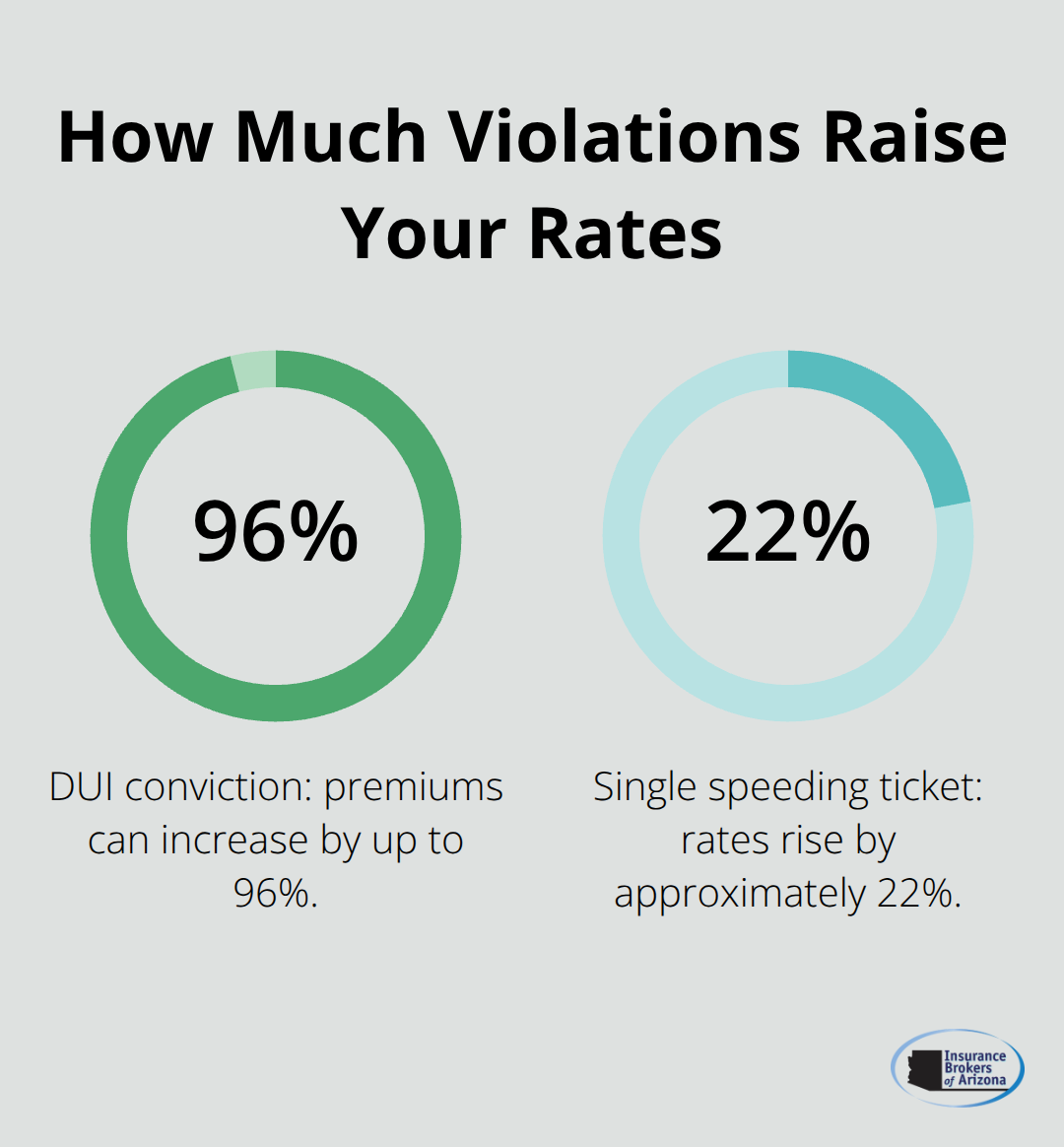
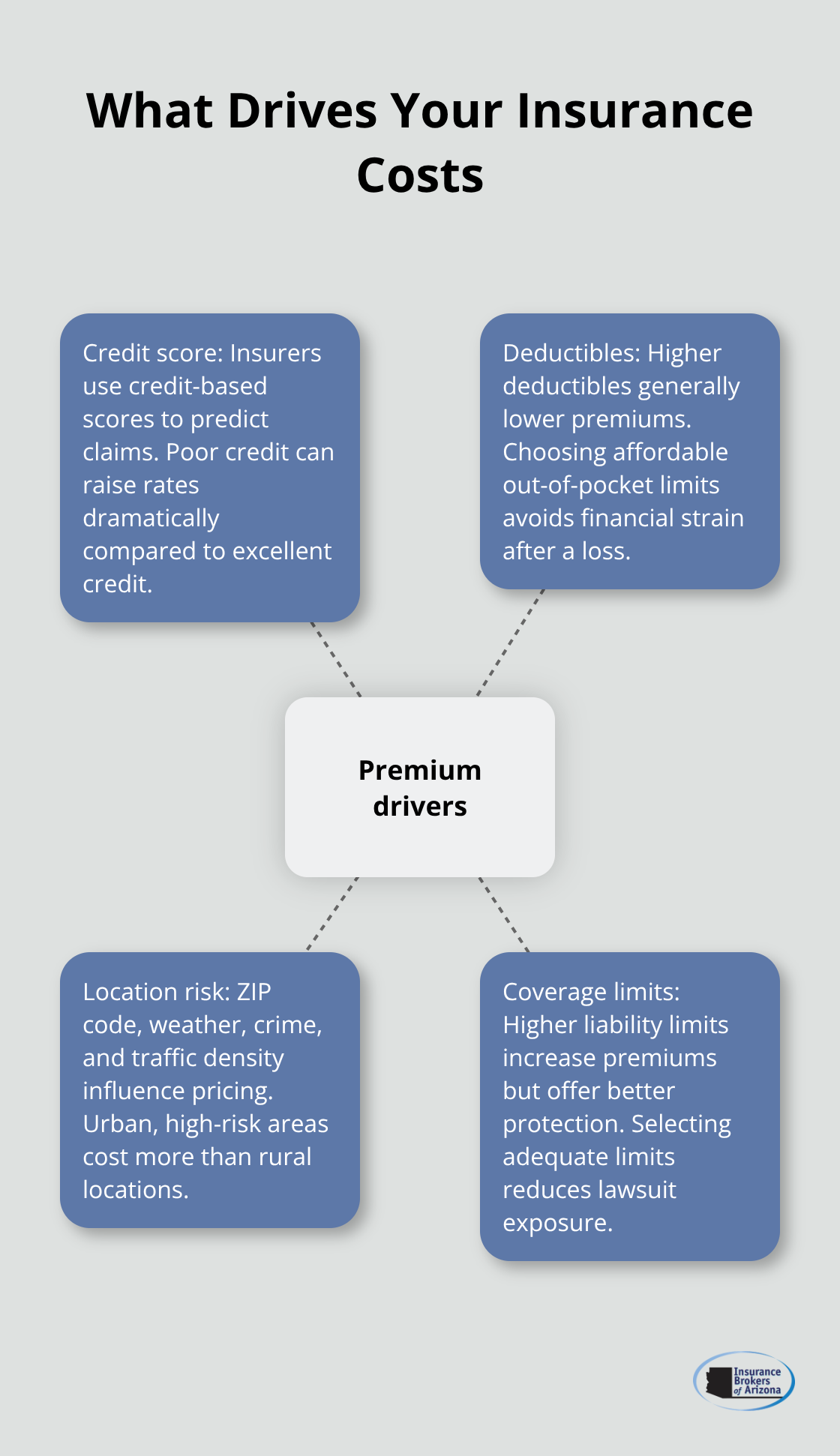
Insurance companies calculate your rates with hard data points that directly reflect your risk profile. Your record behind the wheel carries the heaviest weight in rate calculations. A single accident increases premiums by an average of 20-40%, while DUI violations can double your costs for three to five years. Age matters significantly too – drivers under 25 pay premiums that are 50-80% higher than experienced operators aged 30-50. Your credit score affects rates in most states, with poor credit adding 20-30% to annual premiums.

Hub and spoke chart showing factors that increase truck insurance premiums: single accident, DUI violations, young drivers, and poor credit score - commercial truck insurance questions

Fleet Size Creates Exponential Risk

Multiple truck operations multiply your exposure and premium costs. A single truck operation pays base rates, but a second vehicle increases total premiums by 70-80% rather than doubles them due to shared overhead costs. However, fleets of 10 or more trucks face different calculations entirely. Large fleet operators often secure better per-vehicle rates through volume discounts but face higher aggregate costs due to statistical probability of claims.

Vehicle Type and Cargo Influence Rates

Heavy equipment transport generates significantly higher premiums than fresh produce transport due to potential damage severity. Refrigerated trucks require specialized coverage for spoilage protection, which adds 15-25% to base premiums. Oversize load operations demand infrastructure damage liability coverage that can increase costs by 30-50%. Hazmat transport requires the most expensive coverage (ranging from $1-5 million depending on materials transported). The type of vehicle your business uses significantly affects insurance rates.

Proven Cost Reduction Strategies That Work

Smart Haul program participants save an average of $1,056 annually according to Progressive data. Dash cam installation reduces premiums by 10-15% with most carriers because they provide clear accident evidence and encourage safer behavior. Telematics devices that monitor speed, braking, and acceleration patterns can cut rates by 5-20% for consistently safe drivers.

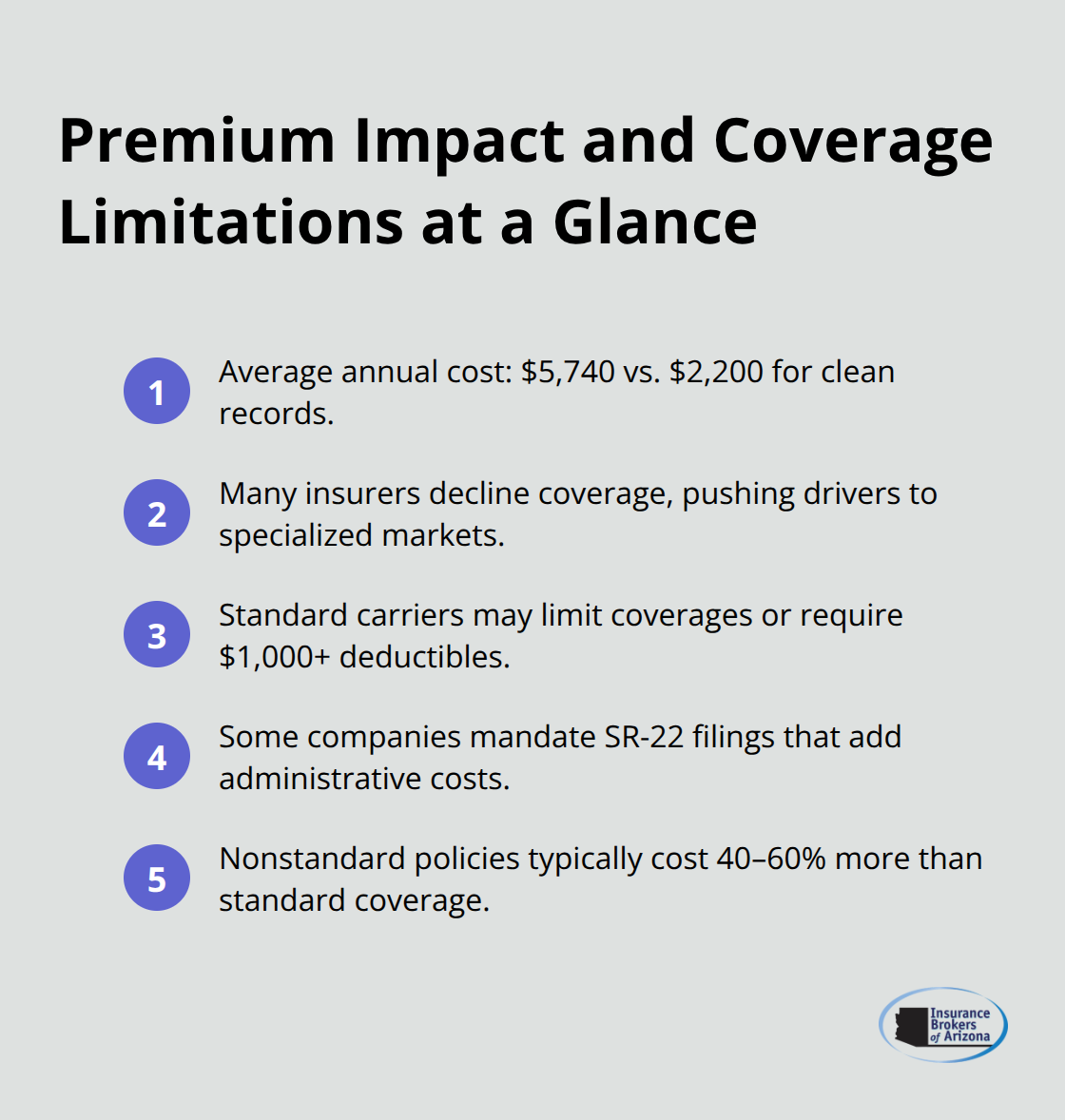
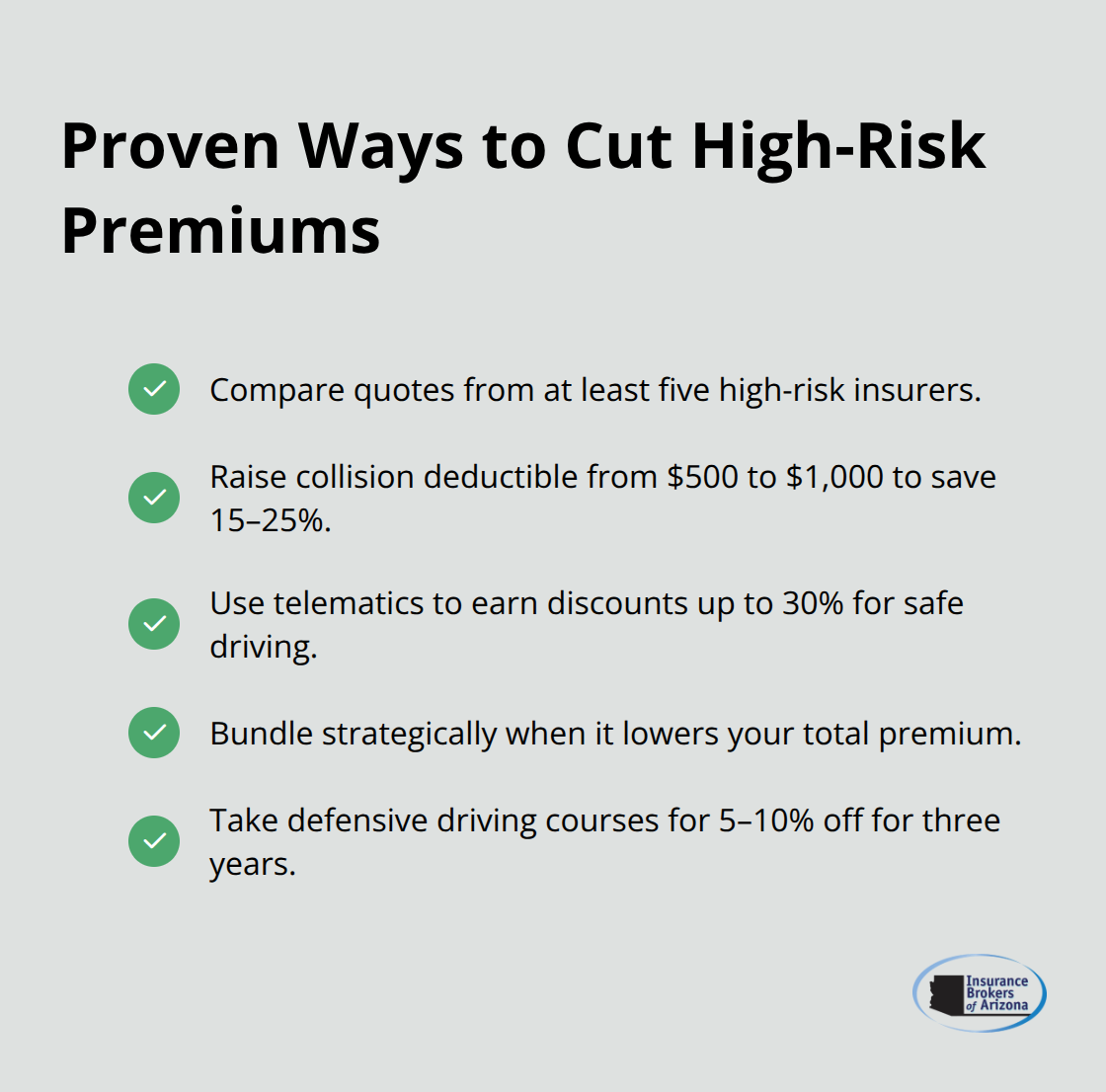
Annual payment instead of monthly eliminates financing fees and often triggers paid-in-full discounts exceeding 13% of total premiums. Deductible increases from $500 to $2,500 reduce monthly costs by 15-25%, though this strategy requires adequate cash reserves for potential claims. Driver training programs certified by the National Safety Council qualify for additional discounts of 5-10% with major insurers. Understanding what drives commercial auto insurance costs helps you make informed decisions about coverage options.

These cost factors matter, but many truck owners still make expensive coverage mistakes that wipe out any premium savings they achieve.

What Coverage Mistakes Cost You Money

Liability Limits That Leave You Exposed

Truck owners consistently underestimate their liability exposure and create financial disasters that destroy businesses overnight. Federal minimums represent bare-bones protection that leaves operators dangerously exposed to lawsuits that exceed their coverage limits. A single severe accident that involves multiple vehicles can generate claims of $2-5 million, yet many truckers carry only the $750,000 federal minimum. Progressive reports that 67% of commercial truck operators carry inadequate liability limits for their actual risk exposure. Owner-operators who haul high-value cargo face the greatest risk because they lack the corporate protection larger fleets enjoy.

Pie chart showing 67% of commercial truck operators have inadequate liability limits according to Progressive - commercial truck insurance questions

Cargo Insurance Gaps Create Massive Exposures

Cargo insurance represents the most overlooked coverage among independent truckers, with only 43% who carry adequate protection according to American Trucking Association data. Electronics shipments require coverage of $100,000-250,000 per load, while pharmaceutical cargo demands $500,000-1 million in protection. Refrigerated goods need specialized spoilage coverage that standard cargo policies exclude. Temperature excursions during a single cross-country trip can destroy $50,000-100,000 in pharmaceutical products. Freight brokers increasingly require proof of cargo coverage before they assign loads, which makes this protection essential for profitable contracts.

Deductible Decisions That Backfire

High deductibles seem attractive for premium savings, but they create cash flow problems during claims. Truckers who choose $5,000-10,000 deductibles save 20-30% on premiums but struggle to pay repair costs after accidents. Physical damage claims average $15,000-25,000 for major truck repairs, making moderate deductibles of $1,000-2,500 more practical. Fleet operators with strong cash reserves can handle higher deductibles, but single-truck operations need lower amounts to maintain operations during repairs. The first mistake involves purchasing minimal liability coverage to save money upfront, which backfires when lawsuits exceed policy limits.

Final Thoughts

Commercial truck insurance questions become simple when you understand the core requirements and cost factors. Federal minimums provide inadequate protection for most operations, while proper liability limits prevent business-destroying lawsuits. Cargo insurance protects your revenue stream, and reasonable deductibles maintain cash flow during claims.

Professional guidance eliminates expensive mistakes that cost thousands in premiums and claims. We at Insurance Brokers of Arizona® work with multiple carriers to find competitive rates that match your specific operations. Our expertise helps trucking companies avoid coverage gaps while securing the best possible rates for their risk profile.

The right coverage starts with an honest assessment of your operations, cargo types, and risk exposure (including both federal and state requirements). Insurance Brokers of Arizona® provides personalized solutions that protect your business without waste on unnecessary coverage. Contact us today to review your current policy and identify opportunities for better protection at competitive rates.

Water damage strikes one in 50 homes annually, making it the second most common homeowners insurance claim. The question “does home insurance cover water damage” has a complex answer that depends on the source and circumstances.

We at Insurance Brokers of Arizona® see homeowners struggle with coverage gaps daily. Understanding what’s covered and what’s excluded can save you thousands when disaster strikes.

What Water Damage Does Home Insurance Actually Cover

Your standard homeowners policy protects against three specific water damage scenarios that catch most homeowners off guard. The Insurance Information Institute reports that pipe failures cause 23% of all homeowners claims, with burst pipes as the most common covered water damage. The key factor is timing – your policy covers sudden and accidental pipe bursts but excludes gradual leaks that develop over weeks or months.

Pie chart showing pipe failures cause 23% of all homeowners insurance claims - does home insurance cover water damage

Sudden Pipe Failures and Pressure Events

When pipes burst from temperature drops or sudden pressure changes, insurance typically pays for both the water damage and temporary repairs needed to stop the flow. Coverage applies when the failure happens without warning, but insurers deny claims for pipes that show signs of deterioration over time. A pipe that bursts during a cold snap receives full coverage, while one that leaks slowly due to corrosion faces denial.

Appliance Malfunctions That Qualify for Coverage

Water heater ruptures, washer overflows, and dishwasher malfunctions fall under covered perils when they happen unexpectedly. The National Association of Insurance Commissioners data shows appliance-related water claims average $5,092 per incident. Your policy covers damage when appliances fail suddenly without maintenance issues. A 10-year-old water heater that bursts without warning gets coverage, while one that shows rust and corrosion for months before failure does not.

Storm-Related Water Intrusion Parameters

Wind-driven rain through damaged windows and doors receives coverage under your policy’s windstorm provisions (assuming the water enters through storm-created openings rather than existing roof problems). Frozen pipe coverage applies when temperatures drop below normal capacity, but pipes that freeze due to inadequate insulation face potential denial. Ice dam coverage works similarly – sudden roof damage from ice buildup qualifies for protection.

These covered scenarios represent just one side of water damage protection. Standard policies exclude several major water sources that homeowners often assume receive coverage.

Water Damage Exclusions in Standard Home Insurance

Standard homeowners policies exclude three major water damage categories that catch most homeowners unprepared. The National Flood Insurance Program reports that floods cause $8.2 billion in annual damage, yet 95% of homeowners lack flood coverage. Your policy specifically excludes groundwater, surface water, and any water that touches the ground before it enters your home. This means burst pipes get covered, but basement floods from heavy rain face denial. The Federal Emergency Management Agency defines floods as water that covers two or more acres of normally dry land, which automatically triggers the flood exclusion in your standard policy.

Pie chart illustrating that 95% of homeowners lack flood insurance coverage - does home insurance cover water damage

Flood Damage Requires Separate Coverage

Your homeowners policy treats flood damage as a completely separate risk that requires additional insurance. Standard policies exclude all water that originates from outside sources and touches the ground first. Heavy rainfall that pools around your foundation and seeps through basement walls faces automatic denial. Storm surge from hurricanes, river overflow, and rapid snowmelt all fall under flood exclusions regardless of the damage amount.

Gradual Leaks and Maintenance Issues

Insurance companies deny 37% of water damage claims due to maintenance issues, according to the Property Casualty Insurers Association of America. A toilet that leaks for weeks before it causes floor damage will face denial, while a sudden pipe burst gets full coverage. Roof leaks from missing shingles or clogged gutters fall under maintenance exclusions. Insurers expect annual inspections and prompt repairs to prevent gradual damage that develops over time.

Sewer and Drain Backup Limitations

Standard policies exclude water backup from sewers, drains, and sump pumps unless you purchase specific endorsements. The Insurance Information Institute data shows sewer backup claims average $3,000 per incident, making this exclusion expensive for unprepared homeowners. Heavy rainfall that overwhelms municipal systems causes most backup events, but your base policy provides zero protection. Water backup endorsements cost $40-60 annually but cover damage from external sewer systems and internal drain failures.

These exclusions create significant coverage gaps that smart homeowners address through additional protection options and proper documentation strategies.

How to Maximize Your Water Damage Coverage

Smart homeowners take three specific actions that prevent claim denials and coverage gaps. The Insurance Information Institute reports that 40% of water damage claims face partial or full denial due to inadequate documentation, while homeowners who maintain detailed records receive 94% faster claim processing. Your protection strategy starts with quarterly home inspections that document appliance conditions, plumbing status, and potential problem areas.

Pie chart showing 40% of water damage claims face partial or full denial due to inadequate documentation

Document Your Property and Belongings Systematically

Take dated photos of water heaters, washing machines, and visible pipes every three months to establish maintenance patterns. The Federal Emergency Management Agency data shows that homeowners with photographic evidence receive settlements that average 23% higher than those without documentation. Create a digital inventory that includes serial numbers, purchase dates, and current conditions of all water-connected appliances. Store these records in cloud storage so water damage cannot destroy your documentation when you need it most.

Know Your Policy Limits and Deductibles

Standard homeowners policies carry water damage deductibles that range from $500 to $2,500, but most homeowners cannot identify their specific deductible amount when they file claims. The National Association of Insurance Commissioners reports that 67% of homeowners underestimate their actual coverage limits for personal property water damage. Your policy likely caps water damage coverage at 10-20% of your dwelling coverage (meaning a $300,000 home receives only $30,000-$60,000 for contents damage). Review your declarations page annually to identify sub-limits that could leave you underinsured.

Purchase Strategic Coverage Endorsements Before You Need Them

Water backup coverage becomes worthless after heavy rains start, since most endorsements require 30-day waiting periods before activation. Water backup endorsements cost $40-60 per year but provide $5,000-$25,000 in additional protection for sewer and drain failures. Service line coverage protects underground utility connections from your home to the street and covers repairs that average $3,000-$8,000 per incident according to HomeAdvisor data. Equipment breakdown endorsements cover water heater and HVAC system failures that cause secondary water damage. Property owners should calculate their potential losses carefully and select coverage that meets their needs for at least 12 months.

Final Thoughts

The answer to “does home insurance cover water damage” depends entirely on the source and timing of the water intrusion. Your standard policy covers sudden pipe bursts, appliance failures, and storm-related damage but excludes floods, gradual leaks, and sewer backups. These exclusions create expensive gaps that catch unprepared homeowners.

Review your current policy declarations page to identify your water damage deductible and coverage limits. Most policies cap personal property water damage at 10-20% of dwelling coverage (which may leave you underinsured). Check whether you have water backup coverage, service line protection, and equipment breakdown endorsements that prevent costly surprises.

The complexity of water damage coverage makes professional guidance valuable. We at Insurance Brokers of Arizona® help identify coverage gaps before they become expensive problems. Water damage strikes without warning, but proper coverage protects your financial security when disaster hits your home.

Getting auto insurance without a driver’s license might sound impossible, but several legitimate options exist. Many people face this situation due to suspended licenses, medical conditions, or other circumstances.

We at Insurance Brokers of Arizona® help clients navigate these complex insurance scenarios daily. The key lies in understanding which coverage types work for unlicensed drivers and how to structure policies properly.

Auto Insurance Without a License: Legal Requirements and Exceptions

State-by-State Variations in Insurance Laws

Insurance requirements differ dramatically across states, which creates confusion for unlicensed drivers who seek coverage. California requires proof of insurance to register any vehicle, which makes it one of the most accommodating states for unlicensed drivers. Arizona mandates liability coverage but allows foreign licenses and alternative identification for policy applications. Florida permits non-owner policies for unlicensed individuals, while Texas requires at least one licensed driver on standard policies.

Circumstances Where Unlicensed Drivers Need Coverage

Vehicle ownership without driving privileges creates legitimate insurance needs. Parents who purchase cars for teenage children with permits need coverage before the license arrives. Medical conditions that prevent license renewal still require protection for owned vehicles. Suspended license holders must maintain coverage to avoid lapses that increase future premiums by 20-40% (according to insurance industry data). Foreign nationals who live in the US temporarily often own vehicles while they obtain local licenses. Classic car collectors frequently maintain comprehensive coverage on non-driven vehicles to protect against theft and damage.

Chart showing potential premium increase of 20-40% due to insurance coverage lapses - auto insurance without drivers license

Legal Penalties for Driving Without Insurance

Driving without insurance carries severe consequences that exceed most policy costs. Arizona fines reach $750 for first offenses, plus license suspension and vehicle impoundment fees that exceed $1,200. California imposes $100-200 base fines that balloon to $500-900 with court costs. Florida charges $150-500 for first violations and doubles penalties for repeat offenses. These penalties make coverage financially smart even for non-driving vehicle owners. SR-22 filing requirements after violations add $25-50 annually to premiums for three years.

These legal complexities highlight why unlicensed drivers need specialized insurance solutions that address their unique circumstances.

How to Get Auto Insurance Without a Valid Driver’s License

Most insurance companies issue policies to unlicensed drivers through three specific approaches that bypass standard license requirements. These methods provide legitimate coverage while addressing the unique challenges unlicensed drivers face.

Named Driver Policies and Excluded Driver Coverage

Named driver policies allow unlicensed vehicle owners to designate a licensed person as the primary driver. This approach shifts risk assessment to that person’s record rather than the unlicensed owner. The unlicensed owner pays premiums but cannot legally drive the vehicle under any circumstances.

Excluded driver coverage takes the opposite approach. The unlicensed owner maintains the policy but signs exclusion forms that void coverage if they drive. This option costs 15-25% less than standard policies (according to industry data from major carriers like State Farm and Progressive). The savings come from the insurer’s reduced liability exposure.

Chart illustrating 15-25% cost savings for excluded driver coverage compared to standard policies

Parental or Guardian Policy Options

Parents can purchase comprehensive policies for teenage children who hold learner’s permits but lack full licenses. This strategy works well when the teen owns the vehicle but cannot legally drive alone. The parent becomes the primary policyholder while the teen gets listed as an additional driver once licensed.

Insurance companies like USAA report that continuous coverage through this method reduces premiums by 10-15% compared to fresh coverage after license acquisition. The unbroken coverage history demonstrates responsibility to insurers and prevents rate penalties for coverage gaps.

Working with Insurance Agents for Special Situations

Standard online applications reject unlicensed applicants automatically. This makes experienced agents essential for success in these situations. Agents at companies like A-MAX, Kemper, and The Hartford specialize in non-standard policies and maintain relationships with carriers that accept unlicensed drivers.

These professionals structure policies correctly and often secure coverage that online platforms cannot provide. Contact multiple agents because acceptance criteria vary significantly between carriers. Rates can differ by 30-50% for identical coverage depending on the insurer’s risk assessment methods.

These coverage strategies provide the foundation for protection, but unlicensed drivers often need specialized policy types that address specific situations beyond standard auto insurance.

Alternative Coverage Options for Unlicensed Drivers

Non-Owner Car Insurance Policies

Non-owner car insurance provides liability coverage for people who drive occasionally but own no vehicle. This policy type costs 40-60% less than standard coverage according to Progressive data, with annual premiums that range from $200-500 nationwide. The coverage follows you when you drive borrowed or rental cars and fills gaps in the owner’s policy. Arizona residents can purchase non-owner policies through carriers like State Farm and Geico, though applications require phone contact rather than online submission.

Chart detailing cost savings and premium range for non-owner car insurance - auto insurance without drivers license

This option works perfectly for suspended license holders who need SR-22 certificates while they maintain continuous coverage.

Comprehensive-Only Protection for Parked Vehicles

Storage insurance covers parked vehicles through comprehensive-only policies that exclude liability and collision coverage. This approach reduces premiums by 70-80% compared to full coverage while it protects against theft, vandalism, fire, and weather damage. Classic car owners frequently use this strategy and pay $100-300 annually instead of $1,200-2,000 for full coverage. The policy maintains continuous coverage history and prevents rate increases when you regain your license. Most major insurers offer this option, though you must specify the vehicle remains garaged and undriveable.

SR-22 Requirements for License Reinstatement

SR-22 certificates cost $25-50 annually and prove financial responsibility to state agencies after violations. Arizona requires three years of continuous SR-22 coverage for DUI convictions and major violations. The certificate attaches to any active policy, whether standard auto insurance or non-owner coverage. Lapses in SR-22 coverage restart the three-year requirement and trigger additional license suspension periods. Direct Auto and Acceptance Insurance specialize in SR-22 policies for high-risk drivers and often accept clients that standard carriers reject. The certificate transfers between insurers if you switch companies, but you must maintain unbroken coverage for license reinstatement eligibility.

Final Thoughts

Auto insurance without a driver’s license exists through multiple pathways that address different circumstances. Named driver policies work when someone else operates your vehicle regularly. Excluded driver coverage reduces costs for vehicle owners who never drive, while non-owner policies provide liability protection for occasional drivers without vehicles.

Continuous coverage prevents rate increases that range from 20-40% when you regain your license. Insurance gaps signal risk to carriers and trigger higher premiums that persist for years. Any policy type preserves your coverage history and demonstrates financial responsibility to future insurers.

The path forward depends on your specific situation and needs. Suspended license holders should prioritize SR-22 compliance and continuous coverage, while vehicle owners need comprehensive protection regardless of their status. We at Insurance Brokers of Arizona® help clients find coverage solutions for these unique situations and secure competitive rates through our network of carriers.