Contractor general liability insurance cost is a crucial consideration for any construction business. At Insurance Brokers of Arizona®, we understand that navigating these expenses can be challenging.

This guide breaks down the factors influencing insurance costs and provides practical strategies to manage them effectively. We’ll explore average price ranges, cost-saving techniques, and the importance of adequate coverage for your contracting business.

What Drives Contractor General Liability Insurance Costs?

At Insurance Brokers of Arizona®, we’ve observed various factors that significantly impact the cost of contractor general liability insurance. Understanding these elements helps contractors manage their insurance expenses effectively.

The Nature of Your Contracting Work

The type of contracting work you perform primarily determines your insurance costs. High-risk activities, such as roofing or electrical work, typically command higher premiums due to the increased likelihood of accidents or property damage. A recent industry report showed that roofers pay an average of 25% more for general liability insurance compared to general contractors.

Your Business Size and Revenue

Your annual revenue and the size of your operations significantly influence insurance costs. Larger businesses with higher revenues often face higher premiums because they’re exposed to more potential claims. The National Association of Insurance Commissioners reports that contractors with annual revenues exceeding $1 million can expect to pay 30-50% more for general liability insurance compared to those with revenues under $500,000.

Chart showing the percentage increase in general liability insurance premiums for contractors with annual revenues exceeding $1 million compared to those with revenues under $500,000. - contractor general liability insurance cost

Geographic Considerations

Your business location matters. Urban areas with higher population densities and more valuable properties often lead to higher insurance costs. For example, contractors operating in Phoenix might pay up to 20% more for general liability insurance compared to those working in rural Arizona (based on industry averages).

Your Claims History

Your past claims history is a critical factor in determining future premiums. Insurers view contractors with a history of frequent or severe claims as higher risk and may charge significantly higher insurance costs. Industry data suggests that even a single major claim can increase premiums by 10-30% in the following year.

Risk Management Practices

Robust safety protocols and risk management practices can lead to lower insurance costs. Contractors who invest in regular safety training, maintain proper documentation, and use quality control measures often qualify for discounts. Some insurers offer premium reductions of up to 15% for contractors with documented safety programs.

These factors form the foundation of your insurance costs, but they’re not the only considerations. The next section will explore the average costs of contractor general liability insurance, providing you with a clearer picture of what to expect when budgeting for your coverage.

What Are the Average Costs for Contractor General Liability Insurance?

Typical Price Ranges for Different Contractors

At Insurance Brokers of Arizona®, we often receive inquiries about the typical costs of contractor general liability insurance. While prices can vary significantly, understanding average costs will help you budget more effectively for your insurance needs.

General contractors typically pay between $300 and $5,000 annually for general liability insurance (according to recent industry data). However, specialized contractors often face different rates. For instance:

  • Electricians might pay an average of $800 to $1,200 per year
  • Roofers could see annual premiums ranging from $3,000 to $5,000 due to the higher risk associated with their work
Chart displaying the typical annual general liability insurance costs for different types of contractors: general contractors, electricians, and roofers. - contractor general liability insurance cost

Impact of Coverage Limits on Costs

Your chosen coverage limits significantly affect your premiums. A policy with a $1 million per occurrence limit and a $2 million aggregate limit is standard for many contractors. This coverage typically costs between $750 and $2,000 annually.

If you opt for higher limits, such as $2 million per occurrence and $4 million aggregate, you can expect to see an increase in premiums by 20% to 50%.

Additional Factors Influencing Premiums

Several other elements can impact your insurance costs:

  1. Location: Contractors working in states with higher litigation rates (like California or New York) may face premiums up to 25% higher than the national average.
  2. Experience: New contractors often pay 15% to 25% more than established businesses with clean claims histories.
  3. Project Size: Contractors regularly working on large commercial projects might pay 30% to 50% more than those primarily handling residential jobs. This is due to the increased potential for costly claims in commercial settings.

It’s important to note that these figures are averages and your actual costs may differ. We recommend getting a personalized quote to understand your specific insurance costs.

The Role of Deductibles in Premium Calculation

The deductible you choose also plays a significant role in determining your premium. A higher deductible (the amount you pay out of pocket before your insurance kicks in) typically results in lower premiums. For example, increasing your deductible from $1,000 to $5,000 could potentially reduce your annual premium by 10-20%.

However, it’s crucial to balance the potential savings with your ability to cover the higher deductible in case of a claim. We always advise our clients to choose a deductible they can comfortably afford.

Now that we’ve covered the average costs and factors influencing contractor general liability insurance premiums, let’s explore some effective strategies to reduce these costs without compromising on coverage.

How Contractors Can Reduce Insurance Costs

At Insurance Brokers of Arizona®, we understand the challenges contractors face with high insurance premiums. We’ve identified several effective strategies to lower your contractor general liability insurance expenses without compromising on coverage.

Hub and spoke chart illustrating various strategies contractors can use to reduce their insurance costs, including implementing safety programs, bundling policies, choosing higher deductibles, and regular policy reviews.

Implement Comprehensive Safety Programs

One of the most effective ways to reduce insurance costs is to implement robust safety protocols. A study by the Construction Industry Institute found that contractors who invest in safety programs can save up to $4.41 for every dollar spent (this includes both direct savings on insurance premiums and indirect savings from reduced accidents and claims).

To start, create a detailed safety manual tailored to your specific contracting work. Conduct regular safety training sessions for all employees, and document these sessions meticulously. Many insurers offer discounts of up to 15% for contractors with well-documented safety programs.

Bundle Your Insurance Policies

Combining multiple insurance policies with a single provider often leads to significant savings. For instance, bundling your general liability insurance with commercial auto and workers’ compensation policies can result in discounts ranging from 10% to 20% (according to industry averages).

When you explore bundling options, compare the total cost against separate policies from different providers. Sometimes, the bundled rate might not be the most cost-effective option, so it’s important to do your due diligence.

Choose a Higher Deductible

Selecting a higher deductible can substantially lower your premiums. For example, increasing your deductible from $1,000 to $5,000 could potentially reduce your annual premium by 10-20%. However, it’s vital to ensure you have the financial capacity to cover the higher deductible if a claim occurs.

One strategy is to set aside the difference in premiums in a separate account. This way, you’re prepared for the higher deductible while benefiting from lower ongoing costs.

Review Your Policy Regularly

Insurance needs change as your business evolves. Conduct annual reviews of your policy to ensure you’re not overpaying for unnecessary coverage or underinsured in critical areas. During these reviews, consider factors like changes in your business size, new services offered, or shifts in your client base.

Additionally, don’t hesitate to shop around. The insurance market is competitive, and rates can vary significantly between providers. We’ve seen contractors save up to 30% by switching insurers after careful comparison.

While cost-cutting is important, it should never come at the expense of adequate coverage. Always ensure your policy provides sufficient protection for your specific contracting risks.

Final Thoughts

Contractor general liability insurance costs depend on various factors such as work type, business size, location, and claims history. You can manage these expenses through safety protocols, policy bundling, and appropriate deductible selection. However, you should never sacrifice adequate coverage for lower premiums, as the right insurance policy protects your business from potentially devastating claims.

Expert guidance proves invaluable when navigating the complexities of insurance pricing. At Insurance Brokers of Arizona®, we specialize in tailoring insurance solutions for contractors in Arizona. Our team helps you find the right coverage at competitive rates, ensuring your business’s financial security.

Don’t leave your business’s protection to chance. Contact us for a personalized quote and expert advice on optimizing your contractor general liability insurance coverage. With our extensive network of reputable carriers and commitment to personalized service, we stand ready to assist you in securing the best insurance options for your contracting business.

At Insurance Brokers of Arizona®, we know that finding the best price for commercial auto insurance can be a challenge for many businesses.

Commercial auto coverage is essential for protecting your company vehicles and drivers, but it doesn’t have to break the bank.

In this post, we’ll share practical tips to help you secure the best price for commercial auto insurance without sacrificing crucial coverage.

What Is Commercial Auto Insurance?

Commercial auto insurance protects businesses that use vehicles for work-related purposes. This specialized policy safeguards companies from financial losses due to accidents, theft, or damage involving their commercial vehicles.

Vehicles Covered Under Commercial Auto Policies

Commercial auto insurance covers a wide range of vehicles used for business purposes. This includes:

  • Company cars
  • Trucks
  • Vans
  • Specialized vehicles (e.g., food trucks or construction equipment)

The primary factor is that these vehicles are used for work-related activities.

Essential Coverage Components

When you consider commercial auto insurance, several key components should be on your radar:

  1. Liability coverage: This forms the foundation of any commercial auto policy. It protects your business if one of your vehicles causes injury or property damage to others in an accident.
  2. Physical Damage Coverage: This includes collision coverage (for accidents) and comprehensive coverage (for non-collision incidents like theft, vandalism, or natural disasters).
  3. Uninsured/Underinsured Motorist Coverage: This protects your business if one of your vehicles is hit by a driver who doesn’t have insurance (or doesn’t have enough coverage).
  4. Medical Payments or Personal Injury Protection: These coverages help pay for medical expenses if you or your employees are injured in a work-related auto accident.

Tailoring Your Policy

Every business has unique needs for commercial auto insurance. A delivery service might need higher liability limits due to increased road time, while a construction company might require specialized coverage for expensive equipment transported in their vehicles.

Insurance professionals work closely with businesses to understand their specific risks and operations. This allows them to create policies that provide comprehensive protection without unnecessary extras that can increase costs.

The Importance of Adequate Coverage

The goal of commercial auto insurance isn’t just to meet legal requirements-it’s to protect your business assets and ensure continuity of operations in case of an accident or loss. Understanding the basics of commercial auto insurance equips you to find a policy that offers the right balance of coverage and affordability for your business.

A hub and spoke chart showing the main types of commercial auto insurance coverage: Liability, Physical Damage, Uninsured/Underinsured Motorist, and Medical Payments.

As we move forward, let’s explore the factors that affect commercial auto insurance prices and how you can use this knowledge to your advantage.

What Impacts Commercial Auto Insurance Costs?

Industry and Business Type

Your business type significantly influences insurance costs. Roofing companies typically face higher premiums than mortgage brokerages. This difference stems from the increased risk associated with transporting heavy equipment and materials in the roofing industry.

Recent industry data reveals that high-risk sectors (construction, transportation) pay up to 30% more for commercial auto insurance compared to low-risk industries.

A percentage chart showing that high-risk industries pay 30% more for commercial auto insurance compared to low-risk industries. - best price commercial auto insurance

Vehicle Usage and Types

The use and types of vehicles in your fleet directly affect your insurance costs. A food truck operating daily will likely have higher premiums than a company car used occasionally for client meetings.

Specialized vehicles often require additional coverage, increasing overall costs. For example, insuring a food truck can cost 20-30% more than a standard commercial vehicle due to the specialized equipment on board.

Employee Driving Records

Your employees’ driving histories play a critical role in determining premiums. Clean driving records lead to lower premiums, while accident histories or traffic violations significantly increase costs.

Insurance companies typically review driving records for the past three to five years. Businesses with drivers who maintain clean records during this period can see premiums up to 25% lower than those with high-risk drivers.

Claims History

Your company’s claims history is a key factor in determining future premiums. Frequent claims suggest higher risk to insurers, leading to increased costs.

Studies show that businesses with no claims in the past three years can save up to 30% on their commercial auto insurance compared to those with multiple claims.

Location and Operating Radius

Your business location and the travel distance of your vehicles affect insurance costs. Urban areas generally have higher premiums due to increased traffic and higher accident rates.

Businesses operating in densely populated cities (like Phoenix) might face premiums 15-20% higher than those in rural Arizona areas.

The operating radius of your vehicles also matters. Local operations typically have lower premiums compared to long-haul or interstate travel. Businesses that operate within a 100-mile radius often see premiums 10-15% lower than those covering larger areas.

These factors allow you to make strategic decisions that can potentially lower your commercial auto insurance costs. Now, let’s explore practical tips to help you find the best price for your coverage.

How to Slash Your Commercial Auto Insurance Costs

At Insurance Brokers of Arizona®, we know businesses can significantly reduce their commercial auto insurance costs by implementing smart strategies. Here’s how you can do the same:

An ordered list chart showing three key strategies to reduce commercial auto insurance costs: Compare Multiple Quotes, Leverage Policy Bundling, and Invest in Safety and Training. - best price commercial auto insurance

Compare Multiple Quotes

Don’t settle for the first quote you receive. Get at least three quotes from different providers. This approach can lead to substantial savings – businesses have reported differences of up to 30% between quotes for similar coverage.

When you compare quotes, look beyond just the price. Consider the coverage limits, deductibles, and any additional benefits offered. Some insurers might offer lower premiums but have higher deductibles or more exclusions.

Leverage Policy Bundling

Combine your commercial auto insurance with other business policies to access significant discounts. Many insurers offer multi-policy discounts, which can reduce your overall insurance costs by 10-15%.

For instance, bundling commercial auto with general liability or property insurance often results in better rates. Some businesses have saved up to 20% on their total insurance costs through strategic policy bundling.

Invest in Safety and Training

Implement a comprehensive safety program and provide regular driver training to substantially lower your insurance costs. Insurers view businesses with strong safety cultures as lower risks, often resulting in reduced premiums.

Consider implementing telematics devices in your vehicles. These tools can track driving behavior, helping to improve safety and potentially qualify you for usage-based insurance discounts. Some businesses have seen premium reductions of up to 15% after implementing telematics and driver training programs.

Optimize Your Coverage

Review your policy regularly to ensure you’re not over-insured or under-insured. For example, if you have older vehicles in your fleet, you might consider dropping comprehensive coverage on these to reduce costs.

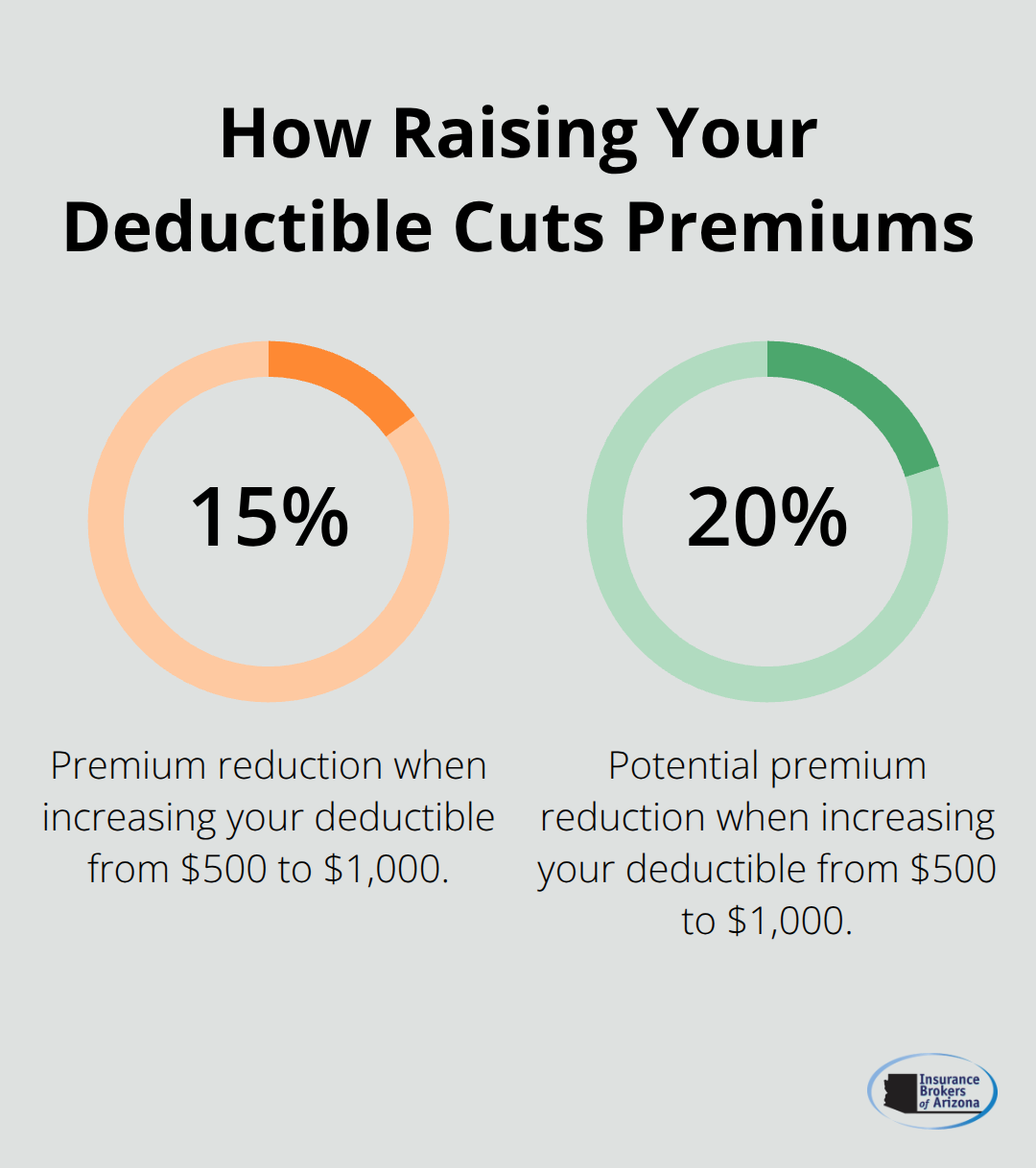
Adjust your deductibles to impact your premiums. Increasing your deductible from $500 to $1,000 could lower your premium by 10-20%. However, make sure you can comfortably afford the higher out-of-pocket expense in case of a claim.

The goal is to find the sweet spot between adequate coverage and affordable premiums. Work closely with your insurance provider to find this balance, ensuring you’re protected without overpaying.

Regular Policy Reviews

Schedule annual reviews of your commercial auto insurance policy. Your business needs can change rapidly, and your insurance should keep pace. During these reviews, discuss any changes in your fleet, driving patterns, or business operations that might affect your coverage needs or premiums.

Final Thoughts

You can find the best price for commercial auto insurance through a strategic approach. You must understand the factors that influence your premiums and implement cost-saving measures. This will help you secure comprehensive coverage without overpaying. You should compare multiple quotes, bundle policies, and invest in safety programs to achieve significant savings while ensuring your business remains protected.

Cost matters, but you must balance affordability with adequate coverage. Cutting corners on insurance to save money can expose your business to financial risks that outweigh the initial savings. Your goal should be to find a policy that offers robust protection at a competitive price (without compromising on essential coverage).

Insurance Brokers of Arizona® specializes in helping businesses find the best price for commercial auto insurance. Our partnerships with over 40 reputable carriers allow us to offer a wide range of options tailored to your specific needs. We work closely with you to understand your business operations, assess your risks, and identify the most cost-effective insurance solutions.

General liability insurance is a cornerstone of business protection, but many owners wonder: “How much is general liability insurance?” At Insurance Brokers of Arizona®, we understand this concern.

The cost of general liability coverage varies widely based on several factors, including your industry, company size, and coverage needs. In this post, we’ll break down these factors and provide insights to help you estimate your potential costs.

What Drives General Liability Insurance Costs?

General liability insurance costs vary significantly from one business to another. Several key elements influence your general liability insurance premiums. Let’s explore these factors in detail.

Industry and Business Type

Your industry plays a major role in determining your insurance costs. High-risk industries such as construction or manufacturing typically face higher premiums due to increased chances of accidents or property damage. For instance, a construction company might pay an average of $2,408 annually for general liability insurance, while a consulting firm might only pay around $780 per year.

Coverage Limits and Deductibles

The amount of coverage you choose directly affects your premium. Most small businesses opt for a $1 million per occurrence limit with a $2 million aggregate limit, which costs about $824 per year on average. Higher coverage limits will raise your premium, while a higher deductible can lower it. However, you should exercise caution when selecting a high deductible, as it could strain your finances if you need to file a claim.

Company Size and Revenue

The size of your business matters. More employees increase the potential for accidents, leading to higher premiums. Similarly, higher revenue can increase your insurance costs, particularly in high-risk industries. For example, a small retail store with few employees might pay around $696 annually, while a larger business in the same industry could pay significantly more.

Claims History and Risk Management

Your claims history plays a crucial role in determining your insurance costs. A clean record can lead to lower premiums, while a history of claims might increase your rates. Strong risk management practices can help maintain a good claims history. This includes regular employee safety training, a clutter-free workspace, and strict safety protocols.

Effective risk management strategies can potentially reduce premiums by up to 15% (based on industry averages). Investing in safety not only protects your employees but can also lead to substantial insurance savings in the long run.

Pie chart showing potential 15% reduction in insurance premiums through effective risk management strategies - how much is general liability insurance

Understanding these factors can help you anticipate and manage your general liability insurance costs more effectively. While some factors (like industry type) remain fixed, others can be influenced by your business practices and decisions. Working with experienced professionals can help you find the right balance between comprehensive coverage and affordable premiums.

Now that we’ve examined the factors that influence general liability insurance costs, let’s look at the average costs for businesses of different sizes.

What’s the Average Cost of General Liability Insurance?

General liability insurance costs vary significantly based on several factors. Let’s examine the average costs for businesses of different sizes to provide a clearer picture.

Small Business Costs

Small businesses typically pay less for general liability insurance due to their lower risk profile. On average, small businesses pay about $42 per month (or $500 annually) for general liability coverage. However, this can range from $300 to $1,000 per year, depending on specific factors like industry and location.

A small consulting firm might pay around $400 to $800 per year, while a small retail store could expect to pay about $696 annually. It’s noteworthy that 29% of small businesses insured through Insureon pay less than $30 per month for their general liability coverage.

Pie chart showing 29% of small businesses pay less than $30 per month for general liability coverage

Medium-Sized Business Costs

As businesses grow, their insurance costs increase. Medium-sized businesses generally face higher premiums due to increased exposure and higher revenue. These businesses might expect to pay anywhere from $1,000 to $3,000 per year for general liability insurance.

For example, a medium-sized restaurant might pay an average of $2,408 annually for general liability coverage. This higher cost reflects the increased foot traffic and higher risk of slip-and-fall accidents in the food service industry.

Large Corporation Costs

Large corporations face the highest general liability insurance costs due to their extensive operations, higher revenue, and increased risk exposure. These businesses can expect to pay anywhere from $3,000 to $10,000 (or more) annually, depending on their specific circumstances.

A large construction company might pay significantly more than $10,000 per year due to the high-risk nature of their work and the potential for costly accidents or property damage.

Insurance Brokers of Arizona® understands that these costs can seem daunting. We work closely with businesses of all sizes to find the most cost-effective coverage options without compromising on protection. Our partnerships with over 40 reputable carriers allow us to offer competitive rates across various industries and business sizes.

While these figures provide a general guideline, your actual costs may differ. Factors such as your specific industry, location, claims history, and chosen coverage limits all play a role in determining your final premium. To get an accurate estimate for your business, it’s best to consult with an experienced insurance professional who can assess your unique needs and risk profile.

Now that we’ve explored the average costs of general liability insurance for different business sizes, let’s look at some effective ways to reduce these costs without sacrificing necessary coverage.

How to Lower Your General Liability Insurance Costs

At Insurance Brokers of Arizona®, business owners often ask us about reducing their general liability insurance costs. While maintaining adequate coverage is essential, several strategies can potentially lower your premiums without compromising protection.

Strengthen Your Risk Management Practices

Implementing robust risk management practices is one of the most effective ways to reduce your insurance costs. This approach not only helps prevent accidents and claims but also shows insurers that your business presents a lower risk.

Start with a thorough risk assessment of your business operations. Identify potential hazards and develop strategies to mitigate them. This might include regular safety training for employees, implementing strict safety protocols, and maintaining a clean, organized workspace.

For example, a retail store could reduce slip-and-fall risks by implementing a regular floor cleaning schedule and using non-slip mats. A construction company might invest in advanced safety equipment and conduct weekly safety meetings.

The National Safety Council reports that every $1 invested in injury prevention returns between $2 and $6 in savings. This investment can lead to fewer claims, which in turn can help lower your insurance premiums over time.

Consider Policy Bundling

Many insurance providers offer discounts when you bundle multiple policies together. This approach, known as a Business Owner’s Policy (BOP), typically combines general liability insurance with property insurance (and sometimes other coverages).

On average, businesses can reduce their overall insurance costs by up to 25% through strategic policy bundling. For instance, if you pay $1,000 annually for general liability insurance and $800 for property insurance separately, bundling could potentially save you $180-$270 per year.

Pie chart showing potential 25% reduction in overall insurance costs through strategic policy bundling - how much is general liability insurance

Adjust Your Deductible

Increasing your deductible can lower your monthly premiums. However, this strategy requires careful consideration. While a higher deductible means lower regular payments, it also means you’ll pay more out-of-pocket if you need to file a claim.

For example, increasing your deductible from $500 to $1,000 could potentially lower your premium by 10-20%. However, you need to ensure you have the financial capacity to cover the higher deductible if needed.

We recommend analyzing your business’s financial situation and risk tolerance before making this decision. Finding the right balance between deductible and premium that fits your budget and risk profile is important.

Explore Multiple Insurance Options

The insurance market is competitive, and rates can vary significantly between providers. Shopping around and comparing quotes from multiple insurers can often lead to substantial savings.

However, it’s important to look beyond just the price. Consider factors such as the insurer’s financial stability, customer service reputation, and claim handling process. The cheapest option isn’t always the best in the long run.

Final Thoughts

General liability insurance costs vary widely based on factors like industry, business size, and coverage limits. Small businesses might pay a few hundred dollars annually, while large corporations could face tens of thousands in premiums. We at Insurance Brokers of Arizona® understand the complexities of general liability insurance and work closely with businesses to find cost-effective coverage options.

Our team of experienced professionals offers competitive rates across various industries through partnerships with over 40 reputable carriers. We tailor insurance solutions to meet your unique needs, ensuring you have the right coverage at the right price. Our focus on exceptional customer service and community involvement sets us apart in the insurance industry.

Don’t leave your business’s protection to chance. Let us help you navigate the intricacies of general liability insurance and answer the question, “How much is general liability insurance?” for your specific situation. Contact Insurance Brokers of Arizona® today to secure reliable insurance solutions and gain peace of mind for your business.