General liability insurance is a cornerstone of business protection, but understanding its costs can be challenging. At Insurance Brokers of Arizona®, we often field questions about the average general liability insurance cost for different industries and business types.

This comprehensive guide will break down the factors influencing these costs and provide practical insights to help you manage your premiums effectively.

What Drives General Liability Insurance Costs?

General liability insurance costs vary widely depending on several key factors. Let’s explore the main drivers of general liability insurance costs to help you better understand and manage your coverage expenses.

Business Size and Revenue

The size of your business and its annual revenue significantly impact your general liability insurance costs. Larger companies with higher revenues typically face higher premiums due to increased exposure to potential claims. A small local shop with annual revenue of $100,000 might pay around $500 per year for general liability insurance, while a medium-sized business with $1 million in revenue could see premiums closer to $2,000 annually.

Industry and Risk Level

Your industry and associated risk level heavily influence your insurance costs. High-risk industries like construction or manufacturing often face higher premiums due to the increased likelihood of accidents or injuries at job sites. A construction company might pay $3,000 to $5,000 annually for general liability insurance, while a low-risk business (such as a consulting firm) might only pay $500 to $1,000 per year.

Coverage Limits and Deductibles

The coverage limits you choose and your policy’s deductible directly affect your premiums. Higher coverage limits provide more protection but come with higher costs. Similarly, opting for a higher deductible can lower your premiums but increases your out-of-pocket expenses in the event of a claim. Increasing your coverage limit from $1 million to $2 million might raise your annual premium by $200 to $500, depending on other factors.

Location and Claims History

Your business location and claims history also impact your insurance costs. Businesses in urban areas or regions prone to natural disasters often face higher premiums due to increased risk exposure. Additionally, a history of claims can significantly raise your insurance costs. A business with no prior claims might pay 20% to 30% less for coverage compared to a similar business with multiple recent claims.

Infographic: How Do Claims History Affect Insurance Costs?

Understanding these factors can help you make informed decisions about your general liability insurance coverage. Insurance professionals can assess your specific risk factors and find the most cost-effective coverage options. A careful consideration of these elements can help you secure the right coverage at the best possible rate for your business.

Now that we’ve covered the main factors affecting general liability insurance costs, let’s take a closer look at how these costs vary across different industries.

How Much Does General Liability Insurance Cost Across Industries?

General liability insurance costs vary significantly across different industries due to their unique risk profiles. This chapter explores the average costs for key sectors to provide a better understanding of what you might expect to pay.

Construction and Contracting

The construction industry faces some of the highest general liability insurance costs due to the inherent risks involved in their work. Construction companies pay an average of $1,700 annually for general liability coverage. However, this can range from $800 to $3,000 depending on the specific type of contracting work.

Infographic: How much does general liability insurance cost by industry? - average general liability insurance cost

A residential remodeling contractor might pay less than a commercial high-rise builder due to the difference in project scale and associated risks. Roofing contractors often face even higher premiums (sometimes exceeding $5,000 annually) due to the high risk of falls and property damage.

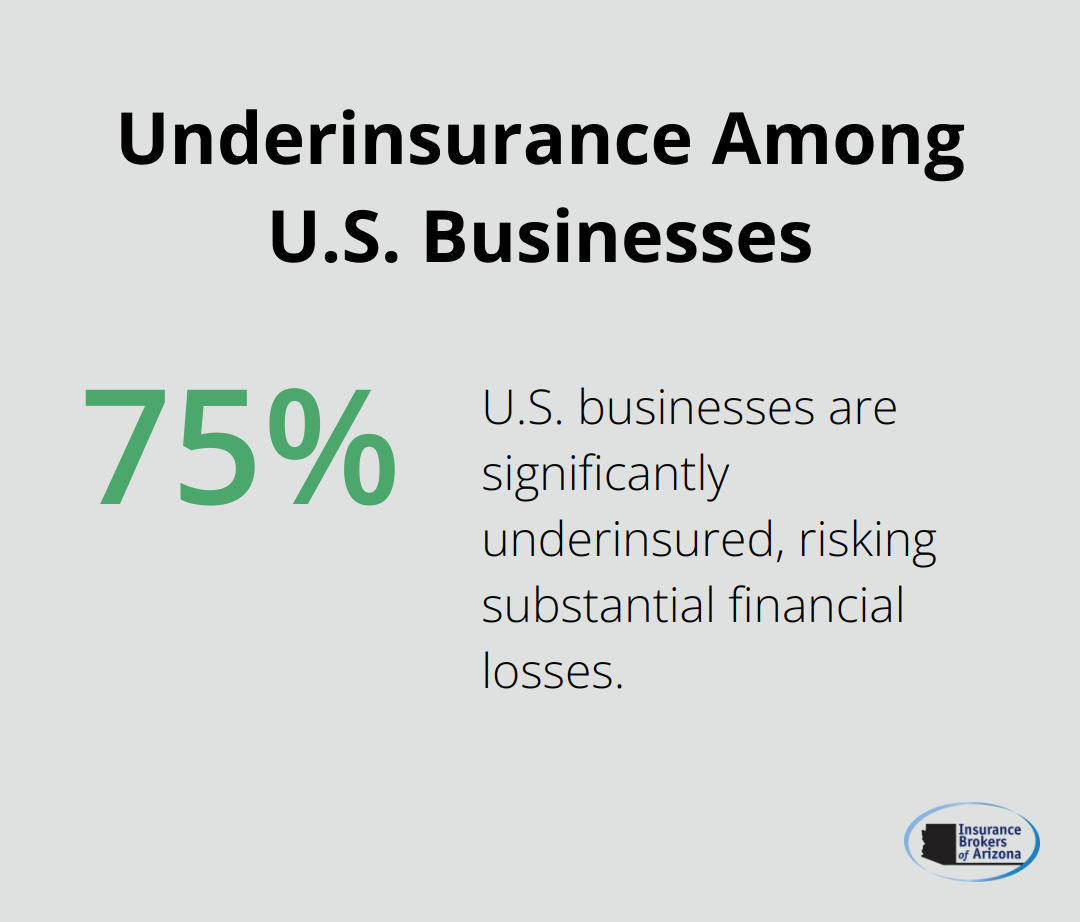
Industry data shows the average general liability claim for small businesses is around $75,000, a sum that could devastate a business without proper coverage.

Retail and E-commerce

Retail businesses, both brick-and-mortar and e-commerce, generally face lower risks compared to construction, which reflects in their insurance costs. The average annual premium for retailers is approximately $700. However, this varies based on factors such as store size, foot traffic, and product type.

A small boutique clothing store might pay as little as $400 per year, while a large electronics retailer with multiple locations could pay upwards of $1,500 annually. E-commerce businesses often enjoy lower premiums (averaging around $500 per year) due to reduced risks associated with physical storefronts.

Professional Services

Professional service providers, such as consultants, accountants, and marketing agencies, typically benefit from some of the lowest general liability insurance rates. The average annual premium for these businesses ranges from $500 to $800.

This lower cost primarily results from the reduced risk of physical injury or property damage in office-based work environments. However, professional services often require additional coverage, such as professional liability insurance, which can increase overall insurance costs.

Hospitality and Food Service

Restaurants, bars, and hotels face higher-than-average general liability insurance costs due to frequent customer interaction and the potential for food-related illnesses. The average annual premium for businesses in this sector ranges from $1,000 to $2,000.

A small café might pay on the lower end of this range, while a large restaurant with a bar could see premiums closer to $3,000 or more. Factors such as alcohol sales, delivery services, and live entertainment can significantly impact insurance costs in this industry.

These industry averages serve as starting points, but every business is unique. Your specific circumstances will ultimately determine your insurance costs. The next chapter will explore effective strategies to lower your general liability insurance premiums, helping you find the most cost-effective coverage for your business.

How to Reduce Your General Liability Insurance Costs

General liability insurance is a necessary expense for businesses, but you can take steps to lower your premiums. Here are some effective strategies to consider:

Implement a Comprehensive Risk Management Plan

One of the most impactful ways to lower your general liability insurance costs is to implement a robust risk management plan. This involves identifying potential hazards in your business operations and taking proactive steps to mitigate them. For example, a retail store could install security cameras and implement regular staff training on customer safety, potentially reducing the likelihood of slip-and-fall accidents or theft incidents.

Infographic: How Can Businesses Reduce Risk and Insurance Costs?

A study by the Risk Management Society (RIMS) found that companies with mature risk management practices experienced 25% lower total cost of risk compared to those with less developed practices. This reduction in risk directly translates to lower insurance premiums.

Consider Policy Bundling

Many insurance providers offer discounts when you bundle multiple policies together. For instance, combining your general liability insurance with property insurance in a Business Owner’s Policy (BOP) can lead to significant savings. According to the Insurance Information Institute, businesses can save up to 10% or more by bundling policies.

Adjust Your Deductible

Opting for a higher deductible can substantially lower your premium costs. For example, increasing your deductible from $500 to $1,000 could potentially reduce your annual premium by 10-20%. However, it’s important to ensure that you can comfortably afford the higher out-of-pocket expense in the event of a claim.

Conduct Regular Policy Reviews

Insurance needs change as your business evolves. Regular policy reviews ensure that you’re not over-insured or carrying unnecessary coverage. For instance, a company that has shifted from in-person to primarily online operations might be able to reduce certain aspects of their liability coverage.

The Insurance Information Institute recommends reviewing your policy at least once a year (or whenever your business undergoes significant changes). During these reviews, it’s beneficial to work with an experienced insurance broker who can identify potential areas for cost savings without leaving you underinsured.

Work with an Experienced Insurance Broker

An experienced insurance broker can help you navigate the complex world of insurance and find the most cost-effective solution for your specific business needs. They can help you understand your coverage options, identify potential risks, and negotiate with insurance providers on your behalf.

Insurance Brokers of Arizona®, for example, offers personalized insurance products and works with over 40 reputable carriers to provide competitive options for businesses. Their focus on tailoring coverage to specific needs and securing the best rates can help you find the right balance between cost and coverage.

Final Thoughts

Understanding the average general liability insurance cost helps businesses make informed decisions about their coverage. Numerous factors influence these costs, including business size, revenue, industry risk, and location. Tailored coverage proves essential, as every business faces unique risks and needs.

Infographic: How Can Small Businesses Reduce Insurance Costs? - average general liability insurance cost

An experienced insurance broker can provide significant benefits when navigating general liability insurance complexities. Insurance Brokers of Arizona® offers personalized insurance products and partners with reputable carriers to find competitive options. Our focus on customer service and securing the best rates can help you balance comprehensive coverage and cost-effectiveness.

The right general liability insurance policy protects your business from potentially devastating financial losses. It provides peace of mind, allowing you to focus on growing your business with confidence. Consider partnering with a trusted insurance professional who can guide you through finding and maintaining suitable, cost-effective coverage for your unique business needs.

Contractors face unique risks in their day-to-day operations, making general liability insurance a critical safeguard for their businesses. At Insurance Brokers of Arizona®, we understand the complexities of choosing the right coverage to protect your contracting company.

This guide will walk you through the essential factors to consider when selecting general liability insurance for contractors, ensuring you make an informed decision that aligns with your specific needs and budget.

What Is General Liability Insurance for Contractors?

Definition and Purpose

General liability insurance provides essential protection for contractors. It shields them from financial losses due to third-party claims of bodily injury, property damage, or advertising injury. This coverage applies to contractors of all sizes (from solo operators to large construction firms).

Key Coverages

General liability policies typically cover:

  1. Legal fees
  2. Settlements
  3. Medical expenses

These costs result from accidents or injuries at job sites. For example, if a client trips over your tools and gets injured, your policy will cover their medical bills and any potential lawsuit. Property damage coverage protects you if you accidentally damage a client’s property during your work.

Contractor-Specific Risks

Contractors face unique risks that general liability insurance addresses:

  1. Potential injuries to passersby at construction sites
  2. Damage to neighboring properties during renovations
  3. Copyright infringement claims in advertising materials
Infographic: How Much Does General Liability Insurance Cost for Contractors?

Industry data shows the average general liability claim for small businesses is around $75,000 (a sum that could devastate a business without proper insurance).

Arizona’s Legal Requirements

Arizona requires contractors to carry general liability insurance to obtain and maintain their licenses. The Arizona Registrar of Contractors mandates a minimum of $500,000 in general liability coverage for most contractors. However, higher limits often prove necessary based on the specific risks associated with different contracting specialties.

These requirements can change, and some municipalities or clients may require higher coverage limits. You should always check the most current regulations and project requirements when reviewing your insurance needs.

As we move forward to discuss the factors to consider when choosing general liability insurance, it’s important to understand how these basic requirements and coverages form the foundation of a comprehensive insurance strategy for contractors.

What Factors Shape Your General Liability Insurance?

Tailoring Coverage to Your Business

Every contracting business has unique needs, which should reflect in your insurance. A roofing contractor faces different risks than an electrician. Your policy should address the specific scenarios you encounter in your work.

Infographic: How much general liability coverage do Arizona contractors need?

Consider the services you offer and the environments you work in. Do you often work in high-rise buildings? Or do you specialize in home renovations? Your policy must address these specific scenarios.

The Numbers Game: Limits and Deductibles

Coverage limits and deductibles play a significant role in your insurance strategy. Arizona requires a minimum of $500,000 in coverage, but many contractors opt for higher limits. Industry data shows the average general liability claim for small businesses is around $75,000, but larger claims can easily exceed $1 million.

When you set your limits, consider your largest projects and potential worst-case scenarios. As for deductibles, higher deductibles can lower your premiums, but make sure you can comfortably pay that amount if a claim arises.

Beyond the Basics: Additional Coverage Options

General liability insurance is just the starting point. Many contractors benefit from additional coverage options. For example, tools and equipment insurance can protect your valuable assets on job sites. The Insurance Information Institute reports that construction site theft costs the industry nearly $1 billion annually.

Workers’ compensation is another critical coverage, especially if you have employees. In Arizona, businesses with one or more employees must carry workers’ comp insurance. This protects both you and your workers in case of on-the-job injuries.

Choosing a Reliable Insurance Partner

The financial stability and reputation of your insurance provider matter. A.M. Best ratings can give you insight into an insurer’s financial health. Look for companies with ratings of A or higher.

Customer service is equally important. When you face a claim, you want an insurer that’s easy to reach and quick to respond. Focus on finding a balance between comprehensive coverage and affordable premiums.

With these factors in mind, let’s move on to the practical steps you can take to obtain the right general liability insurance for your contracting business.

How to Secure the Best General Liability Insurance

Assess Your Business Risks

Start with a comprehensive evaluation of your specific business risks. Consider the types of projects you undertake, the equipment you use, and your work environments. A residential painter faces different risks than a commercial electrician. The National Association of Home Builders reports that 69% of contractors have been involved in construction defect litigation at least once. Understanding your risk profile helps determine appropriate coverage limits and additional endorsements you might need.

Compare Multiple Quotes

Don’t settle for the first quote you receive. The Insurance Information Institute recommends obtaining at least three quotes from different providers. This allows you to compare not just prices, but also coverage options and limits. Look for a balance between comprehensive coverage and affordable premiums (the cheapest option isn’t always the best).

Examine Policy Details

After you have a few quotes, examine the policy details closely. Pay attention to exclusions – these are scenarios or incidents that the policy won’t cover. Common exclusions in contractor policies include pollution liability and professional errors. If these are risks you face, you might need additional coverage. Also, check if the policy covers completed operations, which protects you from claims arising after you’ve finished a job.

Work with an Experienced Broker

Navigate the complexities of insurance with the help of an experienced insurance broker. A broker specializing in contractor insurance can guide you through the entire process. They often have access to multiple reputable carriers, allowing them to find the best coverage options for your specific needs. An experienced broker can explain complex policy terms, help you understand your risks, and advocate on your behalf with insurance companies.

Update Your Coverage Regularly

Your insurance needs will change as your business grows and evolves. The Associated General Contractors of America recommends reviewing your coverage annually. If you take on larger projects, expand your services, or hire more employees, you might need to adjust your coverage. Regular reviews ensure you’re always adequately protected without overpaying for unnecessary coverage.

Infographic: Are Contractors Facing Legal Battles? - general liability insurance for contractors

Final Thoughts

Choosing the right general liability insurance for contractors requires careful consideration of your unique risks and business needs. You must compare multiple quotes and examine policy details to secure coverage that truly protects your business. Your insurance requirements will change as your business grows, so you should review your policy regularly to maintain adequate protection.

Infographic: How to Optimize Your Contractor Insurance? - general liability insurance for contractors

At Insurance Brokers of Arizona®, we help contractors navigate the complex world of insurance. Our team of experienced brokers can guide you through the process of selecting general liability insurance that aligns with your specific needs and budget. We work with numerous reputable carriers to provide competitive options and tailor coverage to your unique circumstances.

Don’t leave your business vulnerable to potentially devastating financial losses. Take the time to assess your risks, understand your coverage options, and partner with a trusted insurance broker. With the right general liability insurance in place, you can focus on delivering quality work to your clients while having peace of mind that your business is protected against unforeseen events.

Nonprofit organizations play a vital role in our communities, but they face unique risks that can threaten their mission. At Insurance Brokers of Arizona®, we understand the importance of protecting these organizations from potential liabilities.

General liability insurance for nonprofit organizations is a critical safeguard against unforeseen incidents and legal challenges. This comprehensive coverage can help nonprofits focus on their important work without worrying about financial setbacks from accidents or lawsuits.

What Is General Liability Insurance for Nonprofits?

Definition and Purpose

General liability insurance provides fundamental protection for nonprofit organizations. It shields them from financial losses due to third-party claims of bodily injury, property damage, or personal and advertising injury. This coverage is essential for nonprofits of all sizes and missions.

Common Risks for Nonprofit Organizations

Nonprofits face various risks in their day-to-day operations. These can include:

  • Slip-and-fall accidents at events
  • Damage to rented facilities
  • Allegations of libel or slander in promotional materials

Without proper insurance, these incidents could lead to costly lawsuits that drain resources from the organization’s mission.

A study by the Nonprofits Insurance Alliance found that over 70% of nonprofits have faced at least one liability claim in the past decade. This statistic highlights the importance of having robust general liability coverage in place.

Incidents Covered by General Liability Insurance

General liability insurance typically covers a wide range of incidents. For example:

  • If a visitor trips and falls at your nonprofit’s office, this policy would cover their medical expenses and any legal fees if they decide to sue.
  • It also protects against property damage claims (such as if an employee accidentally breaks a client’s laptop during a home visit).
  • This insurance covers personal and advertising injury claims, which could include copyright infringement in your marketing materials or reputational harm caused by an employee’s actions.

Tailoring Coverage to Your Nonprofit’s Needs

Each nonprofit has unique risks based on its activities and size. For instance, a small animal shelter might need different coverage than a large educational foundation. It’s important to work closely with an experienced insurance broker to assess your specific risks and tailor a general liability policy that provides comprehensive protection.

Regular Policy Reviews

Your organization should regularly review and update its coverage as it grows and changes. An annual insurance review will ensure your policy still meets your needs and provides adequate protection against potential risks.

Infographic: How Much Do Nonprofits Need General Liability Insurance? - general liability insurance for nonprofit organizations

As we move forward, let’s explore the key coverage areas that general liability insurance typically includes for nonprofit organizations.

What Does General Liability Insurance Cover for Nonprofits?

General liability insurance provides essential protection for nonprofit organizations. This coverage safeguards against various risks that could potentially disrupt an organization’s mission. Let’s explore the key areas covered by this vital insurance.

Bodily Injury and Property Damage

General Liability Insurance protects nonprofits from claims related to bodily injury or property damage. If a visitor falls at your nonprofit’s event, your insurance will cover their medical expenses and potential legal costs. Similarly, if an employee damages a donor’s property during a home visit, your policy will cover the repair or replacement costs.

Infographic: What's Tripping Up Nonprofits? - general liability insurance for nonprofit organizations

The Nonprofit Risk Management Center reports that slip-and-fall accidents account for over 25% of liability claims against nonprofits (a statistic that highlights the importance of robust coverage in this area).

Personal and Advertising Injury

Nonprofits often engage in marketing and public relations activities to promote their cause. General liability insurance protects against claims of personal and advertising injury, including:

  • Libel or slander
  • Copyright infringement
  • Invasion of privacy

For example, if your nonprofit faces accusations of using copyrighted material in a fundraising campaign without permission, your insurance will cover the legal defense costs and any settlements or judgments.

Medical Payments

General liability insurance typically includes a medical payments provision. This coverage pays for minor medical expenses resulting from injuries sustained on your property or due to your operations, regardless of fault. It resolves small incidents quickly without the need for litigation.

The Insurance Information Institute reports that the average cost of a slip-and-fall injury is $20,000 (a figure that underscores the value of medical payments coverage in preventing smaller incidents from escalating into costly lawsuits).

Legal Defense and Settlement Costs

One of the most valuable aspects of general liability insurance is the coverage for legal defense costs. If someone sues your nonprofit, even if the claim lacks merit, your insurance will cover attorney fees, court costs, and any settlements or judgments up to your policy limits.

The Nonprofits Insurance Alliance notes that the average cost to defend a liability lawsuit against a nonprofit is $35,000. Without insurance, these costs could severely impact an organization’s ability to carry out its mission.

Tailoring Coverage to Your Nonprofit’s Needs

Each nonprofit has unique risks based on its activities and size. A small animal shelter might need different coverage than a large educational foundation. Working closely with an experienced insurance broker will help you assess your specific risks and tailor a general liability policy that provides comprehensive protection.

As we move forward, let’s examine the factors that affect the cost of general liability insurance for nonprofit organizations.

What Impacts Nonprofit General Liability Insurance Costs?

General liability insurance is essential for nonprofit organizations, but understanding the factors that influence its cost is important for budgeting and risk management. Several elements can significantly impact premiums. Let’s explore these key factors to help you navigate the insurance landscape more effectively.

Organizational Size and Activities

The size of your nonprofit and the nature of your activities play a pivotal role in determining insurance costs. Larger organizations with more employees, volunteers, and events typically face higher premiums due to increased exposure to risks. For instance, a nonprofit running multiple community centers will likely pay more than a small, local charity operating from a single office.

Infographic: How Can Risk Management Impact Your Bottom Line?

The type of services you provide also matters. High-risk activities, such as working with vulnerable populations or organizing large public events, can lead to higher insurance costs. A youth mentoring program, for example, might face higher premiums than a nonprofit focused on environmental research.

Claims History and Risk Management

Your organization’s claims history is a significant factor in determining insurance costs. A track record of frequent claims can lead to higher premiums, as insurers perceive your nonprofit as higher risk. Conversely, a clean claims history can work in your favor.

Implementing robust risk management practices can help lower your insurance costs over time. This includes:

  • Regular safety training for staff and volunteers
  • Clear policies and procedures implementation
  • Regular risk assessments

The Nonprofit Risk Management Center reports that organizations with comprehensive risk management programs can see up to a 15% reduction in insurance premiums (a statistic that underscores the importance of proactive risk management).

Location and Coverage Limits

Your nonprofit’s location can impact insurance costs due to varying risk levels and legal environments across different areas. Urban locations often face higher premiums due to increased foot traffic and higher property values.

Coverage limits also play a key role. Higher limits provide more protection but come with higher premiums. It’s essential to strike a balance between adequate coverage and manageable costs. The Nonprofits Insurance Alliance suggests that most small to medium-sized nonprofits opt for general liability limits between $1 million and $2 million per occurrence.

Industry Trends and Market Conditions

The broader insurance market and industry trends can affect your premiums. For example, the COVID-19 pandemic has led to increased scrutiny of liability risks, potentially impacting insurance costs for nonprofits across the board.

Additionally, natural disasters or significant legal changes in your area can influence insurance pricing. For instance, nonprofits in regions prone to wildfires or hurricanes might see higher premiums due to increased property damage risks.

Understanding these factors can help you make informed decisions about your insurance coverage. Insurance professionals work closely with nonprofits to analyze these elements and find the most cost-effective solutions that provide comprehensive protection.

Final Thoughts

General liability insurance for nonprofit organizations protects your mission from potentially devastating financial losses. This coverage shields your organization from accidents, injuries, and legal claims that could jeopardize years of hard work and community impact. Without proper insurance, a single incident might derail your nonprofit’s ability to serve effectively.

Infographic: How Can Nonprofits Optimize Insurance Coverage?

We at Insurance Brokers of Arizona® understand the unique challenges nonprofits face. Our team can assess your specific risks, recommend appropriate coverage levels, and find policies that offer comprehensive protection. To secure suitable coverage, conduct a thorough risk assessment and gather detailed information about your organization’s size, activities, and claims history.

Ask questions and seek clarification on policy terms to understand your coverage fully. Review your insurance regularly, especially as your organization grows or changes its activities (this ensures continued adequate protection). Take this important step today to safeguard your nonprofit’s ability to make a positive impact in your community.