At Insurance Brokers of Arizona®, we often field questions about the differences between general liability insurance and workers’ compensation. These two types of coverage are essential for businesses, but they serve distinct purposes.

Understanding the nuances of general liability insurance and workers’ compensation is vital for protecting your company, employees, and customers. Let’s explore these two crucial forms of business insurance and how they work together to safeguard your enterprise.

What Is General Liability Insurance?

A Fundamental Business Safeguard

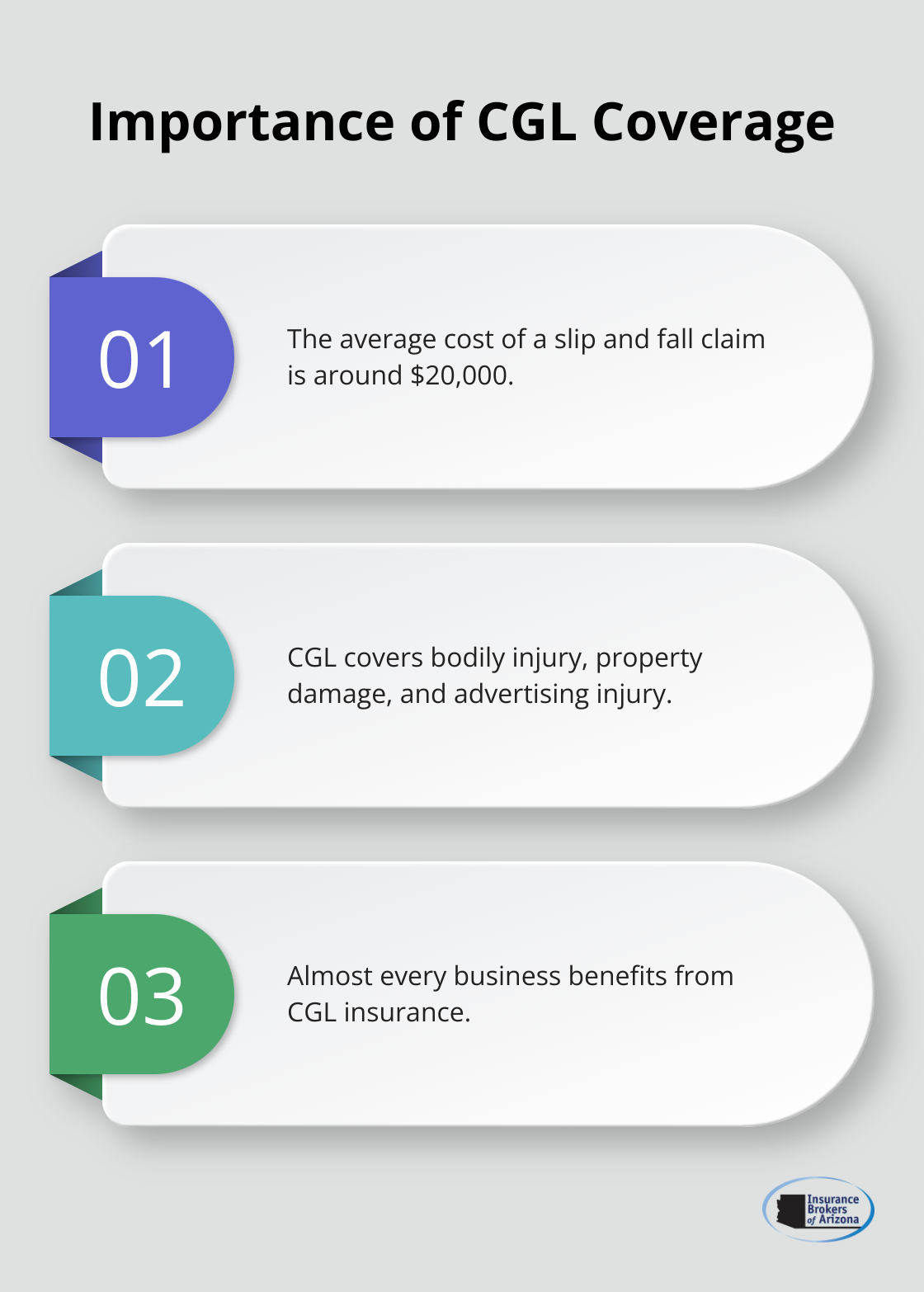
General liability insurance protects businesses against common risks. This type of insurance shields companies from financial losses due to third-party claims of bodily injury, property damage, and advertising injury.

Protection Against Third-Party Claims

When a customer slips and falls in your store, or your employee accidentally damages a client’s property while on a job, general liability insurance activates. It covers medical expenses for injuries and repair costs for damaged property. This protection includes legal defense costs if a lawsuit results from these incidents.

Advertising Injury Coverage

Businesses face risks beyond physical damages in today’s digital landscape. General liability insurance covers advertising injuries, which include claims of copyright infringement, libel, or slander. For example, if your marketing campaign unintentionally uses a trademarked slogan, this coverage helps with legal fees and settlements.

Real-World Applications

A construction company working on a residential project illustrates the importance of this coverage. If falling debris injures a passerby, general liability insurance would cover their medical expenses and any potential lawsuit. Similarly, for a retail store, if a customer’s expensive smartphone breaks due to a faulty display stand, this insurance would cover the replacement costs.

Infographic: Is Your Small Business Prepared for Potential Claims?

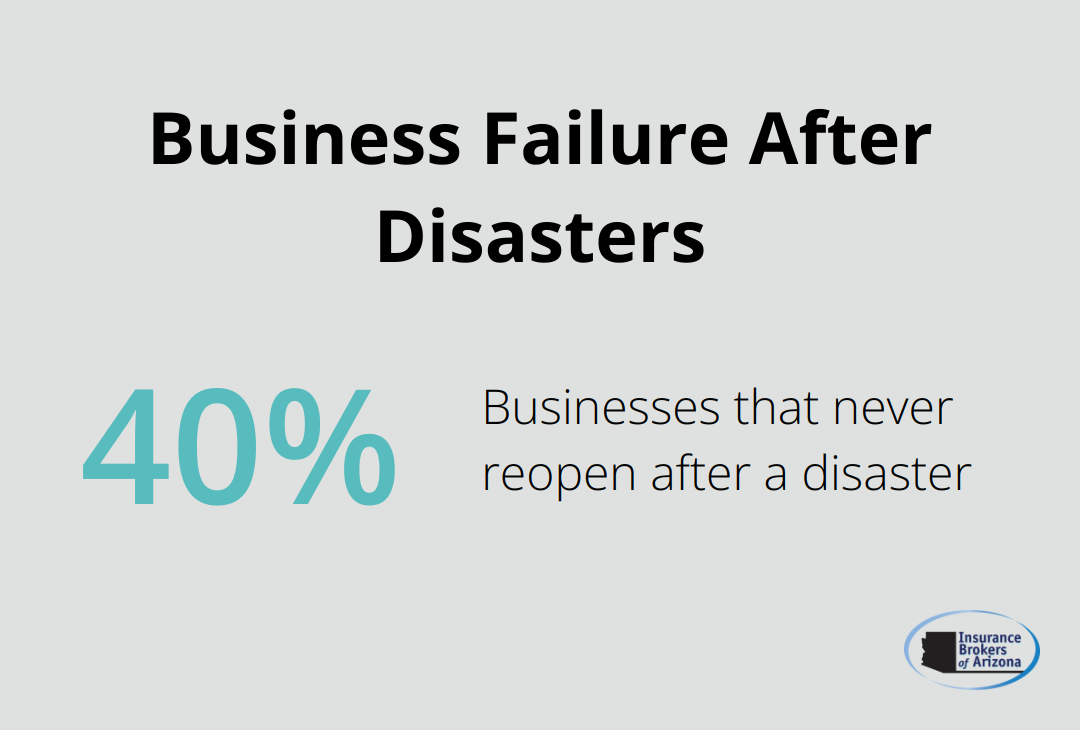
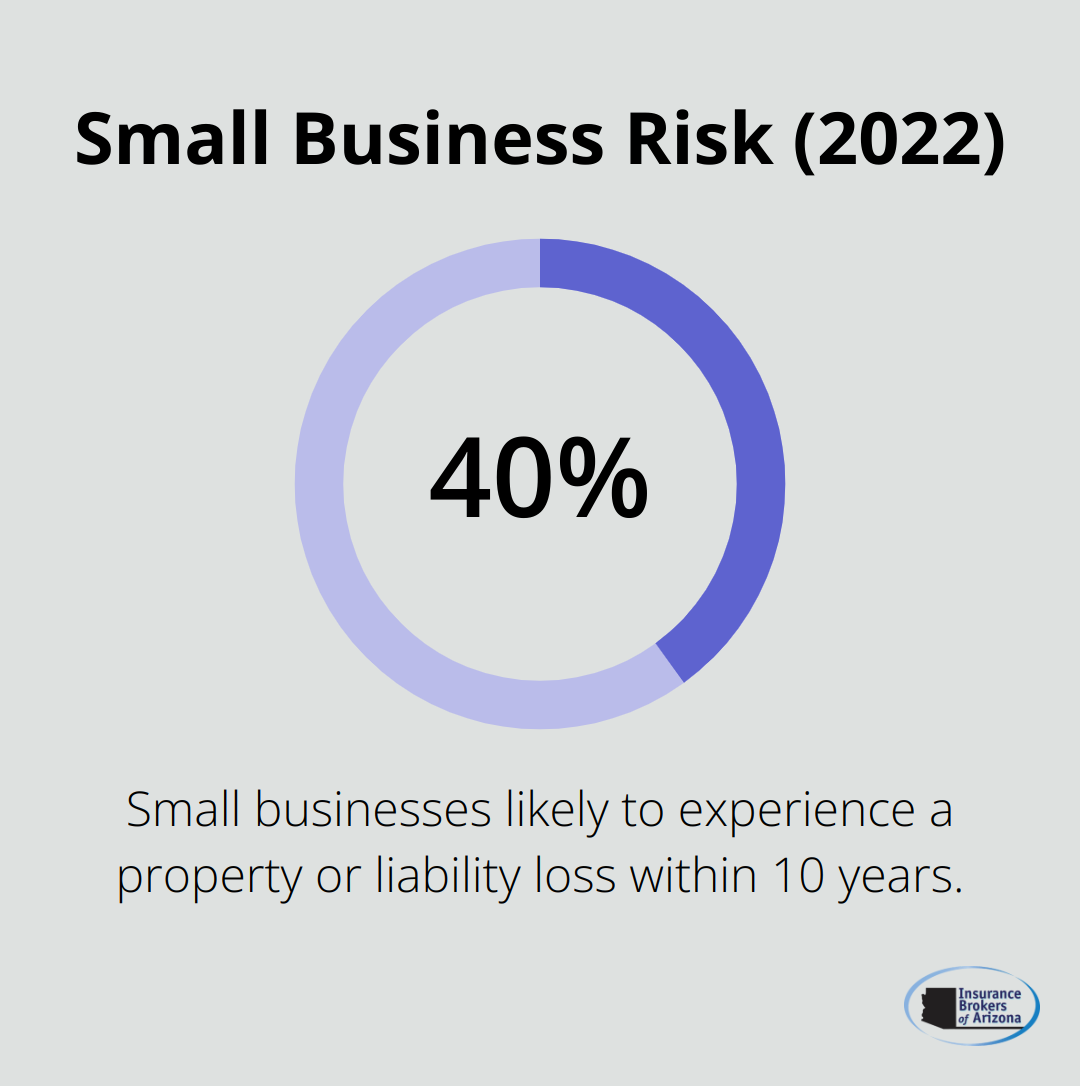
The Insurance Information Institute reports that 40% of small businesses will likely experience a property or general liability claim in the next 10 years. This statistic highlights the necessity of adequate coverage.

Customizing Coverage for Your Business

General liability insurance isn’t one-size-fits-all. The coverage needs of a small café differ significantly from those of a large manufacturing plant. Insurance professionals assess each business’s unique risks to recommend appropriate coverage limits and additional endorsements if necessary.

A technology company might need enhanced coverage for intellectual property disputes, while a food service business might require higher limits for potential food-borne illness claims. This tailored approach ensures businesses receive the most effective protection for their specific operations.

As we move forward, it’s important to understand how general liability insurance compares to other forms of business protection, such as workers’ compensation insurance. Let’s explore this essential coverage next.

What Is Workers Compensation Insurance?

A Vital Safety Net for Employees and Employers

Workers compensation insurance provides financial protection and medical care for employees who suffer job-related injuries or illnesses. It’s not just a benefit; it’s a legal requirement in most states.

Comprehensive Coverage Benefits

This insurance covers medical expenses, rehabilitation costs, and a portion of lost wages for employees injured or ill due to their job. For example, if a warehouse worker strains their back while lifting heavy boxes, workers comp would cover their medical treatment and provide income during recovery.

Infographic: How Can Workplace Safety Programs Impact Costs? - general liability insurance workers compensation

The National Safety Council reports that a worker is injured on the job every 7 seconds in the United States. This statistic highlights the necessity of robust workers compensation coverage.

State-Specific Mandates

Each state enforces its own workers compensation laws and requirements. In Arizona, all employers with one or more employees must carry workers compensation insurance. However, some states exempt very small businesses or certain types of workers.

The National Academy of Social Insurance found that workers compensation covered an estimated 142.6 million workers across the United States in 2022 (a testament to its widespread implementation in the American workplace).

Factors Influencing Insurance Costs

The cost of workers compensation insurance varies based on several factors:

  1. Industry risk level
  2. Payroll size
  3. Claims history
  4. State regulations

A construction company typically pays higher premiums than an accounting firm due to the increased risk of workplace injuries in construction.

Employer Obligations

Employers must not only purchase workers compensation insurance but also maintain a safe work environment. This includes providing safety training, implementing safety protocols, and promptly reporting workplace injuries.

The Occupational Safety and Health Administration (OSHA) reports that businesses can reduce their injury and illness costs by 20% to 40% by implementing effective safety and health programs (a significant incentive for prioritizing workplace safety).

Workers compensation insurance plays a pivotal role in protecting both employees and businesses from the financial and legal risks associated with workplace injuries. However, it’s essential to understand how this coverage differs from other forms of business insurance, such as general liability. Let’s explore these key differences in the next section.

How General Liability and Workers Compensation Differ

Protection Focus: Third Parties vs. Employees

General liability insurance protects businesses against claims from third parties, such as customers, vendors, or passersby. For example, it covers incidents where a customer slips and falls in a retail store. Workers compensation insurance, however, exclusively protects employees who suffer work-related injuries or illnesses. The National Safety Council reports that a worker suffers an injury on the job every 7 seconds in the United States (a statistic that underscores the importance of workers compensation coverage).

Incident Coverage: External vs. Internal

General liability insurance covers a wide range of incidents involving third parties, including bodily injury, property damage, and advertising injury. It would cover damages if a business’s advertising campaign unintentionally used copyrighted material. Workers compensation focuses solely on work-related injuries and illnesses affecting employees. This includes medical expenses, rehabilitation costs, and a portion of lost wages. The National Academy of Social Insurance found that workers compensation covered an estimated 142.6 million workers across the United States in 2022 (highlighting its widespread implementation).

Legal Requirements: Optional vs. Mandatory

While experts highly recommend general liability insurance for all businesses, most states do not legally require it. However, many contracts and leases may require businesses to carry this coverage. Workers compensation, on the other hand, is mandatory in most states for businesses with employees. In Arizona, all employers with one or more employees must carry workers compensation insurance. The specific requirements vary by state, so businesses must know their local regulations.

Cost Factors: Risk Assessment vs. Payroll-Based

The cost of general liability insurance depends primarily on the nature of the business, its size, location, and claims history. High-risk industries or businesses with a history of claims typically face higher premiums. Workers compensation premiums, however, largely depend on payroll size and the specific job classifications of employees. The Occupational Safety and Health Administration (OSHA) reports that businesses can reduce their injury and illness costs by 20% to 40% through effective safety and health programs, which can lead to lower workers compensation premiums.

Coverage Limits and Policy Structure

General liability policies often have per-occurrence and aggregate limits, which cap the amount the insurer will pay for a single claim and the total amount for all claims during the policy period. Workers compensation policies typically do not have such limits for medical benefits, ensuring that injured workers receive necessary care regardless of cost. However, wage replacement benefits often have caps based on state laws.

Infographic: How do General Liability and Workers Compensation Insurance Differ? - general liability insurance workers compensation

Final Thoughts

General liability insurance and workers’ compensation protect businesses in different ways. General liability shields against third-party claims, while workers’ compensation focuses on employee well-being. Legal requirements differ: general liability is often optional, but workers’ compensation is mandatory in most states, including Arizona, for businesses with employees.

Infographic: How Can You Optimize Your Business Insurance?

Insurance costs vary based on different factors for each type of coverage. General liability premiums depend on business type and claims history, while workers’ compensation costs relate to payroll and job classifications. Both types of insurance create a comprehensive safety net that covers various risks and potential liabilities.

Insurance Brokers of Arizona® helps businesses navigate the complexities of general liability insurance and workers’ compensation. Our team assesses unique needs and risks to ensure the right coverage mix. We offer competitive options from over 40 reputable carriers, tailored to each business’s specific requirements (providing peace of mind and allowing you to focus on growth and success).

Finding the best commercial auto insurance rates can be a daunting task for business owners. With numerous factors influencing premiums and a variety of providers to choose from, it’s crucial to understand the landscape before making a decision.

At Insurance Brokers of Arizona®, we’ve compiled a comprehensive comparison to help you navigate this complex process. Our guide will explore the key factors affecting rates, highlight top insurance providers, and offer practical tips to lower your premiums.

What Drives Commercial Auto Insurance Rates?

Commercial auto insurance rates depend on several key factors that businesses must understand. Let’s examine the main drivers of commercial auto insurance costs.

Vehicle Type and Usage

The type of vehicle your business uses significantly affects insurance rates. Larger vehicles (such as trucks or vans) typically cost more to insure due to their higher potential for damage in accidents. A study by the Insurance Information Institute found that commercial trucks are involved in about 8% of all vehicle miles traveled but account for 11% of all motor vehicle crash deaths.

Infographic: How Do Commercial Vehicles Impact Road Traffic? - best commercial auto insurance rates

How you use your vehicles also impacts your rates. Vehicles that travel long distances or operate in high-traffic areas face greater risks and thus higher premiums. Businesses using vehicles for transporting hazardous materials or valuable goods may also see increased rates due to the additional risks involved.

Driver History and Safety

Your employees’ driving records are a critical factor in determining commercial auto insurance rates. The National Highway Traffic Safety Administration reports that drivers with a history of accidents or traffic violations are more likely to be involved in future incidents. This increased risk translates to higher premiums for your business.

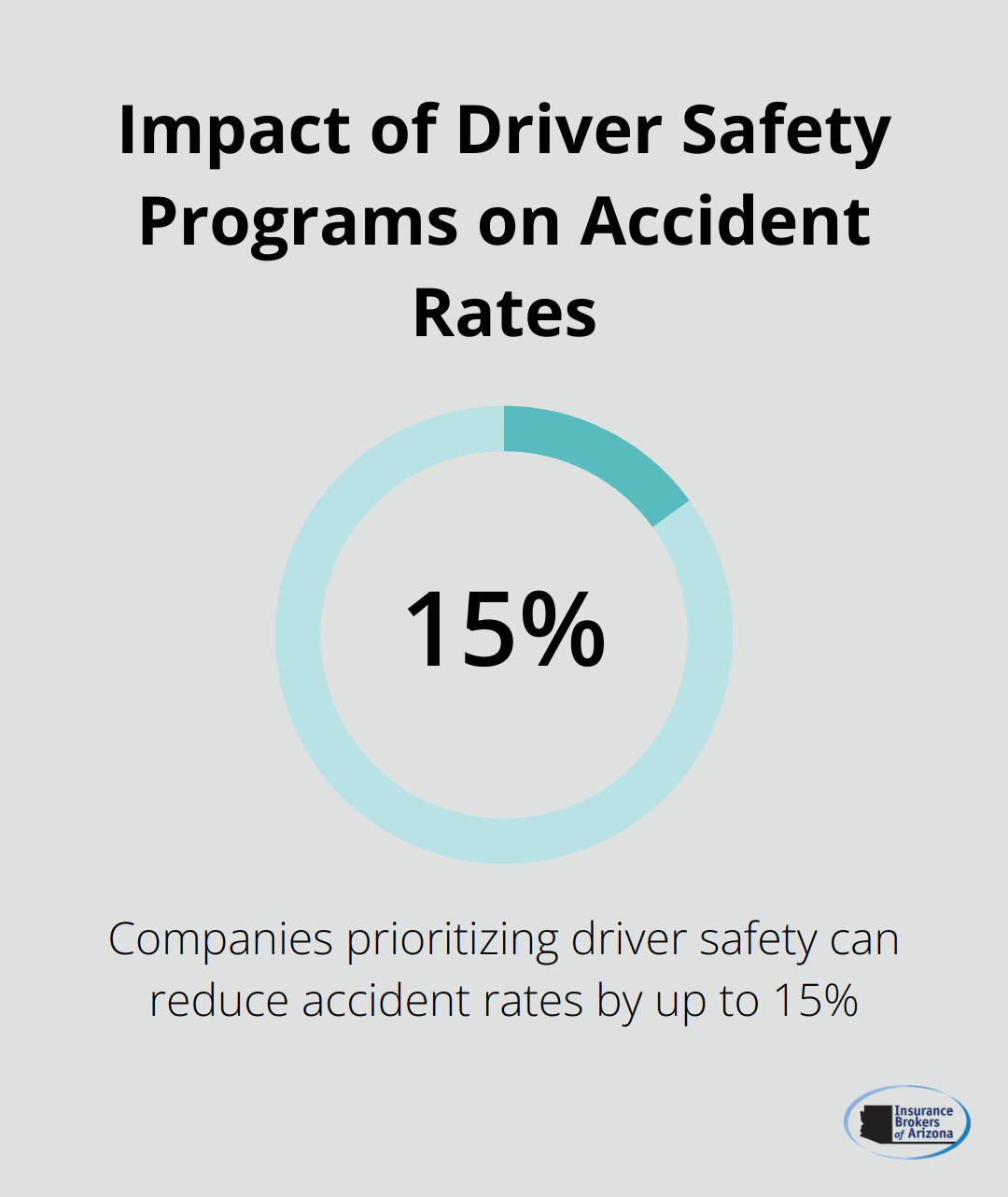
A robust driver safety program can help mitigate these risks. Many insurers offer discounts for businesses that conduct regular driver training and maintain clean driving records. Some businesses have reported premium reductions of up to 15% after implementing comprehensive safety programs.

Coverage Choices and Risk Management

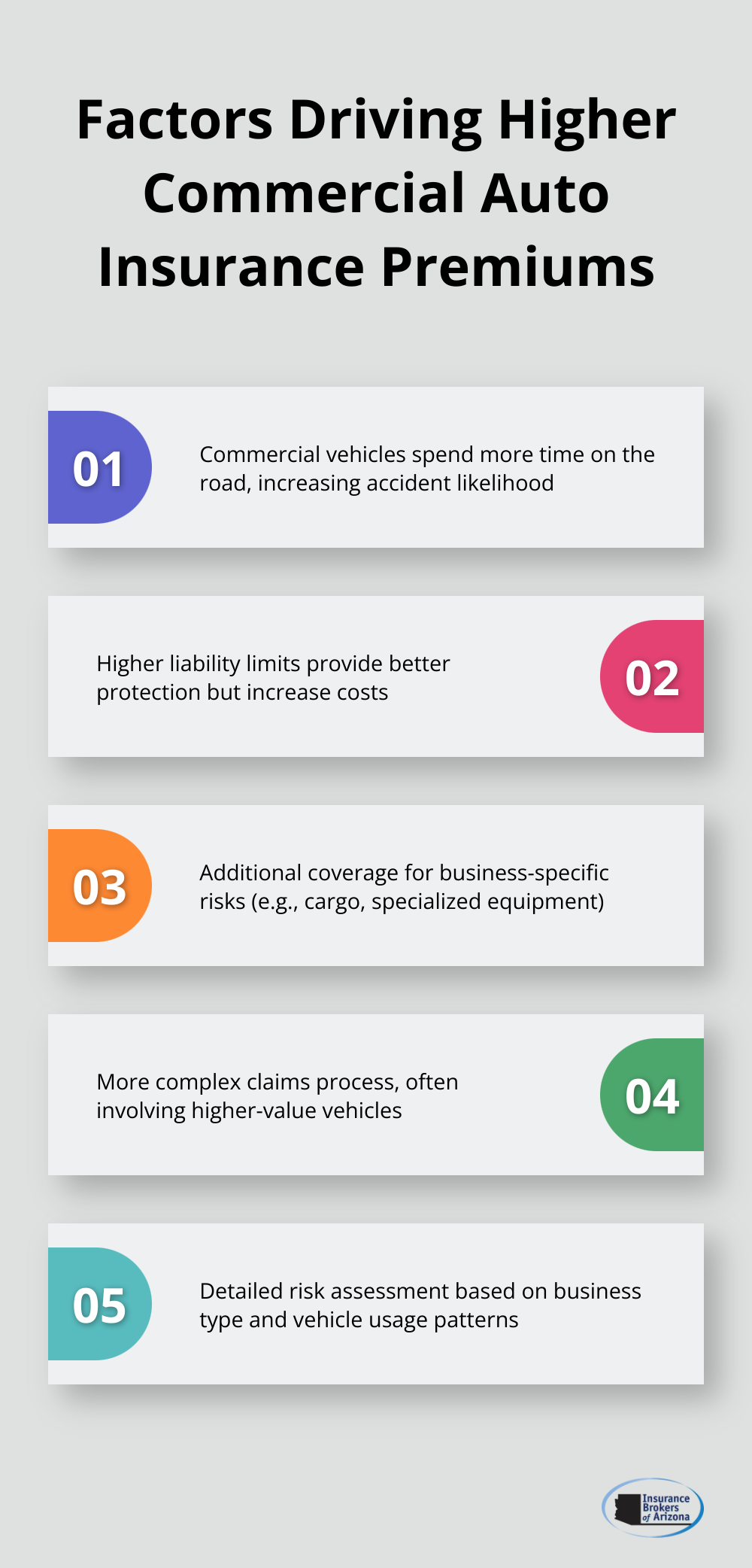
The coverage limits and deductibles you choose directly impact your premiums. Higher coverage limits provide more protection but come with increased costs. Similarly, lower deductibles mean you’ll pay less out-of-pocket in the event of a claim, but your premiums will be higher.

It’s important to balance adequate protection and manageable costs. Businesses that carefully assess their risks and tailor their coverage accordingly often achieve the best value for their insurance dollars.

Geographic Considerations

Your business location and operating radius significantly influence your commercial auto insurance rates. Urban areas with higher traffic density and accident rates typically see higher premiums. Data from the Federal Highway Administration shows that urban areas experience about 70% of all vehicle crashes, despite accounting for only about 40% of vehicle miles traveled.

Additionally, businesses that operate across state lines or in multiple regions may face more complex insurance requirements and potentially higher rates. It’s essential to work with an insurance provider who understands the specific regulations and risk factors in your operating areas.

Now that we’ve explored the factors that influence commercial auto insurance rates, let’s take a look at some of the top providers in the industry and what they offer.

Top Commercial Auto Insurance Providers

When it comes to commercial auto insurance, several providers stand out for their comprehensive coverage options, competitive rates, and customer service. Here’s an overview of some top providers in the industry:

Progressive Commercial

Progressive holds the largest market share (15.21% as of 2023) in commercial auto insurance. They offer a wide range of coverage options and competitive rates. Progressive’s Snapshot ProView program uses telematics to monitor driving behavior, which can lead to discounts for safe drivers. Their policies often include features like roadside assistance and rental reimbursement.

Geico Commercial Auto

Geico has made a name for itself with its user-friendly online platform and competitive pricing. They offer an average annual premium of $1,939 for full coverage (lower than many competitors). Geico caters well to small businesses and rideshare drivers, offering specialized livery insurance that covers various phases of ridesharing.

State Farm Business Auto

State Farm excels in customizable coverage options, making it suitable for a variety of business needs. They offer a unique “rental car expense” feature, which covers the cost of a rental vehicle if your business vehicle undergoes repairs due to a covered loss. State Farm also provides discounts for businesses with safe driving records and those that bundle multiple policies.

Nationwide Commercial Auto

Nationwide offers a comprehensive commercial auto insurance package with unique features like their Vantage 360 program. This telematics-based system uses real-time data to monitor drivers, which can lower costs and improve safety (availability varies by state). Nationwide also provides specialized coverage options for contractors, including tools and equipment protection.

Insurance Brokers of Arizona®

While the aforementioned providers offer strong options, Insurance Brokers of Arizona® stands out as the top choice for businesses seeking personalized service and access to multiple carriers. With partnerships with over 40 reputable insurance companies, they can offer a wide range of options tailored to specific business requirements. Their focus on exceptional customer service (as evidenced by thousands of positive reviews) and ability to secure competitive rates make them a trusted choice for comprehensive commercial auto insurance solutions.

Infographic: Who leads the commercial auto insurance market?

The best insurance provider for your business will depend on your specific needs, vehicle types, and risk profile. An independent insurance broker can analyze these factors to help you find the most suitable coverage at competitive rates. Now, let’s explore some practical tips to lower your commercial auto insurance rates.

How to Reduce Your Commercial Auto Insurance Rates

Implement a Driver Safety Program

A strong driver safety program can significantly lower your insurance costs. The National Safety Council reports that companies with robust safety cultures reduce their crash rates by up to 50%. Start with regular driver training sessions that focus on defensive driving techniques and proper vehicle handling. Many insurance providers offer substantial discounts for businesses that maintain clean driving records and low claim frequencies.

Infographic: How Can Fleet Safety Measures Impact Your Business?

Consider using telematics devices in your vehicles. These tools track driving behavior, including speed, harsh braking, and acceleration patterns. Some programs (like Progressive’s Snapshot ProView) have helped businesses save up to 18% on their premiums through improved driving habits.

Adjust Your Coverage Strategically

A careful review and adjustment of your coverage can lead to significant savings. While it’s tempting to choose the lowest possible coverage limits to reduce costs, this approach can be risky. Instead, consider increasing your deductibles. The Insurance Information Institute notes that raising your deductible from $500 to $1,000 could reduce your collision and comprehensive coverage cost by 40%.

Evaluate your fleet regularly. Older vehicles with lower values might not need comprehensive coverage, potentially saving you hundreds of dollars annually per vehicle. However, ensure you’re not underinsured, as this could lead to costly out-of-pocket expenses in the event of an accident.

Bundle Your Policies

Combining your commercial auto insurance with other business policies can lead to substantial savings. Many insurers offer discounts of up to 15% for bundling multiple policies. For example, pairing your auto coverage with general liability or property insurance often results in lower overall premiums.

Upgrade Vehicle Safety and Maintenance

Regular vehicle maintenance and safety upgrades can significantly impact your insurance rates. Well-maintained vehicles are less likely to break down or cause accidents, reducing your risk profile in the eyes of insurers. Implement a strict maintenance schedule, including regular oil changes, tire rotations, and brake inspections.

Installing advanced safety features in your vehicles can also lead to discounts. Features like anti-lock brakes, electronic stability control, and advanced driver assistance systems (ADAS) can reduce accident rates by up to 30% (according to the National Highway Traffic Safety Administration). Many insurers offer discounts for vehicles equipped with these safety technologies.

Final Thoughts

Commercial auto insurance rates depend on various factors, including vehicle types, driver histories, and geographic considerations. Top providers offer competitive options, but businesses must compare multiple carriers to find the best fit. Insurance Brokers of Arizona® can access over 40 reputable carriers, providing tailored solutions for specific business needs.

Infographic: How Can Fleet Managers Reduce Insurance Costs? - best commercial auto insurance rates

Companies can reduce their commercial auto insurance rates through effective strategies. Implementation of driver safety programs, strategic coverage adjustments, and policy bundling can lead to significant cost savings. Regular vehicle maintenance and safety upgrades also play a vital role in lowering premiums.

The quest for the best commercial auto insurance rates requires a balance between cost and protection. Businesses must stay informed about industry changes and review their coverage regularly. An independent broker can provide expert guidance, helping companies navigate the complexities of commercial auto insurance with confidence.

General liability insurance is a cornerstone of business protection, safeguarding against common risks and potential lawsuits. However, finding affordable general liability insurance can be a challenge for many companies.

At Insurance Brokers of Arizona®, we understand the importance of balancing comprehensive coverage with cost-effective solutions. This guide will explore strategies to help you secure the right policy at a price that fits your budget.

What Is General Liability Insurance?

Core Protection for Businesses

General liability insurance serves as a vital shield for businesses against common risks and potential lawsuits. This type of insurance protects companies from financial losses due to third-party claims of bodily injury, property damage, and advertising injury.

Key Coverage Areas

General liability insurance typically covers legal fees, medical expenses, and settlements or judgments related to covered claims. For instance, if a customer slips and falls in your store, this policy would cover their medical bills and any legal costs if they decide to sue.

The Necessity of Coverage

Businesses without general liability insurance expose themselves to potentially devastating financial risks. A recent study by The Hartford reveals that 40% of small businesses will likely experience a property or liability loss within the next 10 years. This statistic highlights the importance of adequate coverage.

Common Claims Covered

Some of the most frequent claims covered by general liability insurance include:

  1. Slip and fall accidents
  2. Property damage caused by your business operations
  3. Product liability claims
  4. Advertising injuries (such as copyright infringement or libel)

Industry-Specific Considerations

Different industries face varying levels of risk. Construction companies might need higher coverage limits due to the inherent dangers of their work, while a small consulting firm might require less extensive coverage.

Infographic: Is Your Small Business Prepared for the Unexpected? - affordable general liability insurance

Proper general liability coverage can save businesses from financial ruin. Insurance professionals (like those at Insurance Brokers of Arizona®) work closely with clients to assess their specific risks and tailor policies that provide comprehensive protection without excessive costs.

The cost of general liability insurance might seem like an unnecessary expense, especially for small businesses. However, the potential cost of not having it far outweighs the premiums. It’s not just about legal compliance; it’s about securing your business’s future and peace of mind.

As we move forward, let’s explore the factors that affect the cost of general liability insurance and how you can find affordable options for your business.

What Drives Your General Liability Insurance Costs?

Industry and Business Size Impact

Your business type and size significantly influence your general liability insurance costs. High-risk industries like construction or manufacturing typically face higher premiums due to the increased likelihood of accidents or property damage. A construction company might pay $2,000 to $3,000 annually for $1 million in coverage, while a small consulting firm might pay only $400 to $600 for the same coverage limit.

Infographic: How Does Industry Type Affect General Liability Insurance Costs?

Larger businesses often pay more for coverage simply because they have more exposure to potential claims. However, they may also benefit from economies of scale, potentially resulting in lower per-employee costs.

Coverage Limits and Deductibles: Striking the Right Balance

The amount of coverage you choose and your deductible directly impact your premiums. Higher coverage limits provide more protection but come with higher costs. For instance, increasing your coverage from $1 million to $2 million might raise your premium by 20% to 30%.

Deductibles work inversely – a higher deductible lowers your premium but increases your out-of-pocket expenses in the event of a claim. Consider your financial capacity to absorb potential losses when setting deductibles.

Claims History Speaks Volumes

Insurance companies view your claims history as a predictor of future risk. Businesses with a history of frequent claims are likely to face higher premiums. On the other hand, a clean claims record can lead to lower costs and even qualify you for discounts.

Risk management practices also play a role. Safety protocols, employee training programs, and quality control measures can demonstrate to insurers that you actively minimize risks, potentially leading to more favorable rates.

Location Matters

Your business location affects your general liability insurance costs in several ways. Urban areas with higher population densities and more foot traffic often come with increased premiums due to the higher likelihood of accidents or property damage claims.

Additionally, different states have varying insurance regulations and litigation environments. For example, businesses in California or New York might face higher premiums due to the more litigious nature of these states compared to others.

Understanding these factors can help you make informed decisions about your general liability insurance. While some factors (like industry and location) are largely out of your control, others provide opportunities for cost optimization. The next section will explore strategies to find affordable general liability insurance without compromising on coverage quality.

How to Slash Your General Liability Insurance Costs

Compare Multiple Quotes

Don’t accept the first quote you receive. The insurance market is competitive, and rates can vary significantly between providers. A study by the Insurance Information Institute found that prices for the same coverage can differ by hundreds or even thousands of dollars among insurers. Take the time to gather quotes from multiple carriers to ensure you get the best deal.

Bundle Your Policies

Many insurance companies offer substantial discounts when you combine multiple policies. For example, pairing your general liability insurance with property insurance or a business owner’s policy (BOP) can lead to savings of up to 15% or more. This approach not only reduces costs but also simplifies your insurance management.

Strengthen Your Risk Management

Insurers favor businesses that prioritize safety and risk mitigation. Develop and implement a comprehensive risk management plan to lower your premiums significantly. This might include regular safety training for employees, proper maintenance of equipment, and clear protocols for handling potential hazards. Some insurers offer discounts of up to 25% for businesses with strong risk management practices in place.

Work with an Independent Insurance Broker

Independent brokers (like those at Insurance Brokers of Arizona®) have access to multiple insurance carriers and can shop around on your behalf. They understand the nuances of different policies and can help you find the best coverage at the most competitive rates. Their expertise can prove invaluable in navigating the complex insurance landscape and identifying cost-saving opportunities you might otherwise miss.

Consider Industry-Specific Insurance Programs

Many industries have tailored insurance programs that offer more competitive rates for businesses in that sector. These programs address the unique risks of specific industries and often provide better coverage at lower costs. For instance, the National Restaurant Association offers insurance programs specifically for food service businesses, potentially saving members up to 25% on premiums.

Infographic: How Can You Save on Insurance? - affordable general liability insurance

Final Thoughts

General liability insurance protects businesses against common risks that could lead to financial ruin. You can secure affordable general liability insurance without compromising on coverage by comparing quotes, bundling policies, and improving risk management practices. These approaches will lead to significant savings while ensuring your business remains well-protected.

Insurance Brokers of Arizona® specializes in finding personalized insurance solutions that balance comprehensive coverage with cost-effectiveness. Our team works with over 40 reputable carriers to provide competitive options for businesses across Arizona. We take pride in our exceptional customer service and our ability to tailor coverage to your specific needs.

Infographic: How Can Small Businesses Lower Insurance Costs?

Don’t let the search for affordable general liability insurance overwhelm you. Contact us today, and let our experienced brokers guide you through the process. We’ll help you secure the right coverage at the best possible rates, giving you peace of mind and allowing you to focus on growing your business.