Nonprofit organizations play a vital role in our communities, but they face unique risks that can threaten their mission. At Insurance Brokers of Arizona®, we understand the importance of protecting these organizations from potential liabilities.

General liability insurance for nonprofit organizations is a critical safeguard against unforeseen incidents and legal challenges. This comprehensive coverage can help nonprofits focus on their important work without worrying about financial setbacks from accidents or lawsuits.

What Is General Liability Insurance for Nonprofits?

Definition and Purpose

General liability insurance provides fundamental protection for nonprofit organizations. It shields them from financial losses due to third-party claims of bodily injury, property damage, or personal and advertising injury. This coverage is essential for nonprofits of all sizes and missions.

Common Risks for Nonprofit Organizations

Nonprofits face various risks in their day-to-day operations. These can include:

  • Slip-and-fall accidents at events
  • Damage to rented facilities
  • Allegations of libel or slander in promotional materials

Without proper insurance, these incidents could lead to costly lawsuits that drain resources from the organization’s mission.

A study by the Nonprofits Insurance Alliance found that over 70% of nonprofits have faced at least one liability claim in the past decade. This statistic highlights the importance of having robust general liability coverage in place.

Incidents Covered by General Liability Insurance

General liability insurance typically covers a wide range of incidents. For example:

  • If a visitor trips and falls at your nonprofit’s office, this policy would cover their medical expenses and any legal fees if they decide to sue.
  • It also protects against property damage claims (such as if an employee accidentally breaks a client’s laptop during a home visit).
  • This insurance covers personal and advertising injury claims, which could include copyright infringement in your marketing materials or reputational harm caused by an employee’s actions.

Tailoring Coverage to Your Nonprofit’s Needs

Each nonprofit has unique risks based on its activities and size. For instance, a small animal shelter might need different coverage than a large educational foundation. It’s important to work closely with an experienced insurance broker to assess your specific risks and tailor a general liability policy that provides comprehensive protection.

Regular Policy Reviews

Your organization should regularly review and update its coverage as it grows and changes. An annual insurance review will ensure your policy still meets your needs and provides adequate protection against potential risks.

Infographic: How Much Do Nonprofits Need General Liability Insurance? - general liability insurance for nonprofit organizations

As we move forward, let’s explore the key coverage areas that general liability insurance typically includes for nonprofit organizations.

What Does General Liability Insurance Cover for Nonprofits?

General liability insurance provides essential protection for nonprofit organizations. This coverage safeguards against various risks that could potentially disrupt an organization’s mission. Let’s explore the key areas covered by this vital insurance.

Bodily Injury and Property Damage

General Liability Insurance protects nonprofits from claims related to bodily injury or property damage. If a visitor falls at your nonprofit’s event, your insurance will cover their medical expenses and potential legal costs. Similarly, if an employee damages a donor’s property during a home visit, your policy will cover the repair or replacement costs.

Infographic: What's Tripping Up Nonprofits? - general liability insurance for nonprofit organizations

The Nonprofit Risk Management Center reports that slip-and-fall accidents account for over 25% of liability claims against nonprofits (a statistic that highlights the importance of robust coverage in this area).

Personal and Advertising Injury

Nonprofits often engage in marketing and public relations activities to promote their cause. General liability insurance protects against claims of personal and advertising injury, including:

  • Libel or slander
  • Copyright infringement
  • Invasion of privacy

For example, if your nonprofit faces accusations of using copyrighted material in a fundraising campaign without permission, your insurance will cover the legal defense costs and any settlements or judgments.

Medical Payments

General liability insurance typically includes a medical payments provision. This coverage pays for minor medical expenses resulting from injuries sustained on your property or due to your operations, regardless of fault. It resolves small incidents quickly without the need for litigation.

The Insurance Information Institute reports that the average cost of a slip-and-fall injury is $20,000 (a figure that underscores the value of medical payments coverage in preventing smaller incidents from escalating into costly lawsuits).

Legal Defense and Settlement Costs

One of the most valuable aspects of general liability insurance is the coverage for legal defense costs. If someone sues your nonprofit, even if the claim lacks merit, your insurance will cover attorney fees, court costs, and any settlements or judgments up to your policy limits.

The Nonprofits Insurance Alliance notes that the average cost to defend a liability lawsuit against a nonprofit is $35,000. Without insurance, these costs could severely impact an organization’s ability to carry out its mission.

Tailoring Coverage to Your Nonprofit’s Needs

Each nonprofit has unique risks based on its activities and size. A small animal shelter might need different coverage than a large educational foundation. Working closely with an experienced insurance broker will help you assess your specific risks and tailor a general liability policy that provides comprehensive protection.

As we move forward, let’s examine the factors that affect the cost of general liability insurance for nonprofit organizations.

What Impacts Nonprofit General Liability Insurance Costs?

General liability insurance is essential for nonprofit organizations, but understanding the factors that influence its cost is important for budgeting and risk management. Several elements can significantly impact premiums. Let’s explore these key factors to help you navigate the insurance landscape more effectively.

Organizational Size and Activities

The size of your nonprofit and the nature of your activities play a pivotal role in determining insurance costs. Larger organizations with more employees, volunteers, and events typically face higher premiums due to increased exposure to risks. For instance, a nonprofit running multiple community centers will likely pay more than a small, local charity operating from a single office.

Infographic: How Can Risk Management Impact Your Bottom Line?

The type of services you provide also matters. High-risk activities, such as working with vulnerable populations or organizing large public events, can lead to higher insurance costs. A youth mentoring program, for example, might face higher premiums than a nonprofit focused on environmental research.

Claims History and Risk Management

Your organization’s claims history is a significant factor in determining insurance costs. A track record of frequent claims can lead to higher premiums, as insurers perceive your nonprofit as higher risk. Conversely, a clean claims history can work in your favor.

Implementing robust risk management practices can help lower your insurance costs over time. This includes:

  • Regular safety training for staff and volunteers
  • Clear policies and procedures implementation
  • Regular risk assessments

The Nonprofit Risk Management Center reports that organizations with comprehensive risk management programs can see up to a 15% reduction in insurance premiums (a statistic that underscores the importance of proactive risk management).

Location and Coverage Limits

Your nonprofit’s location can impact insurance costs due to varying risk levels and legal environments across different areas. Urban locations often face higher premiums due to increased foot traffic and higher property values.

Coverage limits also play a key role. Higher limits provide more protection but come with higher premiums. It’s essential to strike a balance between adequate coverage and manageable costs. The Nonprofits Insurance Alliance suggests that most small to medium-sized nonprofits opt for general liability limits between $1 million and $2 million per occurrence.

Industry Trends and Market Conditions

The broader insurance market and industry trends can affect your premiums. For example, the COVID-19 pandemic has led to increased scrutiny of liability risks, potentially impacting insurance costs for nonprofits across the board.

Additionally, natural disasters or significant legal changes in your area can influence insurance pricing. For instance, nonprofits in regions prone to wildfires or hurricanes might see higher premiums due to increased property damage risks.

Understanding these factors can help you make informed decisions about your insurance coverage. Insurance professionals work closely with nonprofits to analyze these elements and find the most cost-effective solutions that provide comprehensive protection.

Final Thoughts

General liability insurance for nonprofit organizations protects your mission from potentially devastating financial losses. This coverage shields your organization from accidents, injuries, and legal claims that could jeopardize years of hard work and community impact. Without proper insurance, a single incident might derail your nonprofit’s ability to serve effectively.

Infographic: How Can Nonprofits Optimize Insurance Coverage?

We at Insurance Brokers of Arizona® understand the unique challenges nonprofits face. Our team can assess your specific risks, recommend appropriate coverage levels, and find policies that offer comprehensive protection. To secure suitable coverage, conduct a thorough risk assessment and gather detailed information about your organization’s size, activities, and claims history.

Ask questions and seek clarification on policy terms to understand your coverage fully. Review your insurance regularly, especially as your organization grows or changes its activities (this ensures continued adequate protection). Take this important step today to safeguard your nonprofit’s ability to make a positive impact in your community.

At Insurance Brokers of Arizona®, we understand that businesses need protection without breaking the bank.

Low cost general liability insurance is a vital shield for companies of all sizes.

This guide will explore what it covers, factors affecting its cost, and how to find affordable options that don’t compromise on quality.

What Is General Liability Insurance?

Core Protection for Businesses

General liability insurance serves as a fundamental safeguard for businesses of all sizes. It protects companies from financial losses due to third-party claims of bodily injury, property damage, and advertising injury. This coverage acts as a lifeline for businesses facing unexpected legal challenges.

Key Coverage Areas

General liability insurance typically covers:

  1. Bodily Injury: This coverage helps pay for medical expenses and potential legal fees if a customer sustains an injury on your premises (e.g., a slip and fall in your store).
  2. Property Damage: When an employee accidentally damages a client’s property while on a job, general liability can cover the repair or replacement costs.
  3. Advertising Injury: This protects against claims of copyright infringement, libel, or slander in your marketing materials.

Importance for Businesses

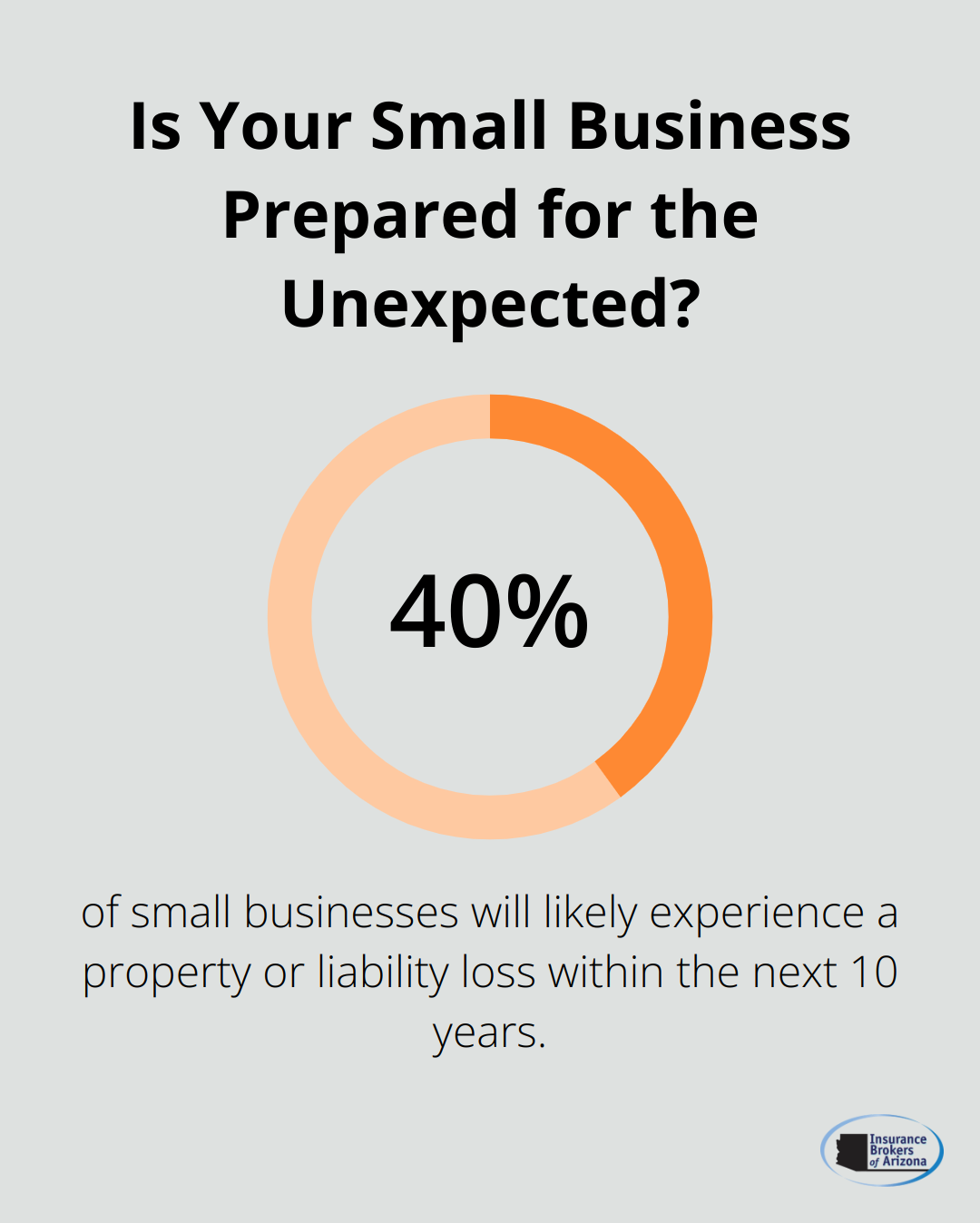
The significance of general liability insurance cannot be overstated. A study by The Hartford reveals that 40% of small businesses will experience a property or liability loss within the next 10 years. Without proper coverage, these losses could lead to financial ruin.

Infographic: Is Your Small Business Prepared for the Unexpected?

The National Safety Council reports that the average cost of a slip and fall claim is $20,000. A single lawsuit could easily bankrupt a small business without insurance. Additionally, many clients and landlords require proof of general liability insurance before entering into contracts or leases.

Real-World Applications

Consider these common situations where general liability insurance proves invaluable:

  1. A plumber accidentally floods a customer’s home while fixing a pipe. General liability covers the property damage.
  2. A marketing agency faces a lawsuit for using a copyrighted image in a client’s campaign. The policy covers legal defense costs and potential settlements.
  3. A delivery driver injures themselves while dropping off a package at a client’s office. General liability helps cover medical expenses and potential legal fees if the client faces a lawsuit.

These scenarios highlight why general liability insurance is not just a legal requirement in many cases, but a smart business decision. It provides peace of mind and financial protection, allowing you to focus on growing your business rather than worrying about potential lawsuits.

Finding the Right Coverage

As we move forward, it’s essential to understand the factors that influence the cost of general liability insurance. This knowledge will help you find affordable coverage that meets your specific business needs without compromising on quality.

What Drives General Liability Insurance Costs?

Business Size and Industry Impact

The size and nature of your business significantly impact your insurance costs. Larger companies typically face higher premiums due to increased exposure to risks. A construction company with 50 employees will likely pay more than a small accounting firm with five staff members.

Infographic: How do business characteristics affect liability insurance costs? - low cost general liability insurance

Industry risk levels play a crucial role in determining premiums. High-risk industries such as construction or manufacturing face steeper costs compared to low-risk sectors like consulting or IT services. The National Association of Insurance Commissioners reports that the construction industry pays an average of $1.17 per $100 of payroll for general liability insurance, while office-based businesses might pay as little as $0.30 per $100.

Coverage Limits and Deductibles Matter

Your chosen coverage limits directly affect your premiums. Higher limits provide more protection but come at a higher cost. Most small businesses opt for a $1 million per occurrence limit with a $2 million aggregate limit. However, some industries or contracts may require higher limits.

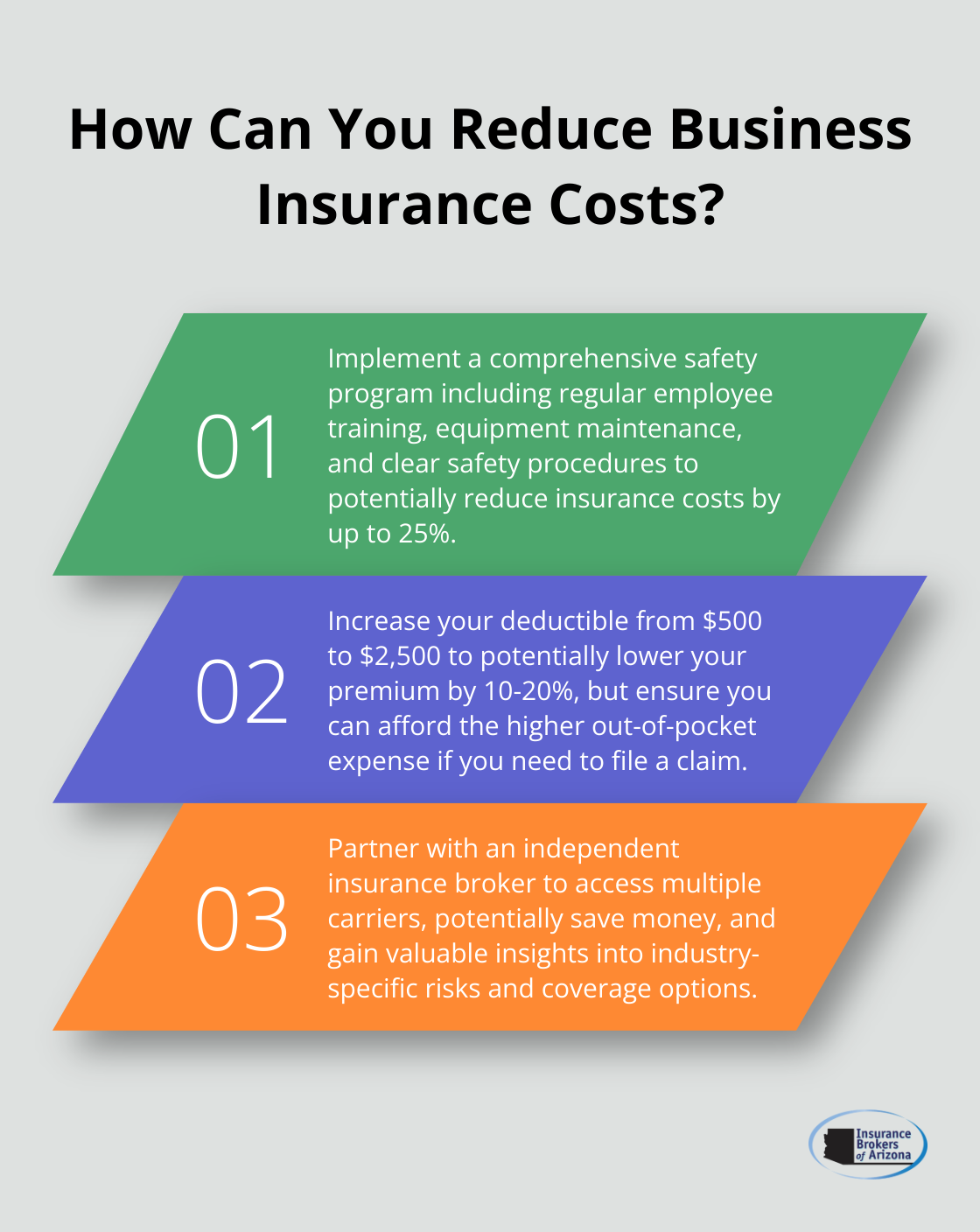
Deductibles also influence your insurance costs. A higher deductible can lower your premiums, but it means you’ll pay more out-of-pocket if a claim occurs. For instance, raising your deductible from $500 to $2,500 could potentially reduce your premium by 10-20%.

Claims History and Risk Management Strategies

Your claims history is a significant factor in determining your insurance costs. Businesses with a history of frequent claims are seen as higher risk and face higher premiums. According to industry data, even a single claim can increase your premium by 10-30% (depending on its severity).

Implementing effective risk management strategies can help lower your insurance costs over time. This includes employee safety training, regular maintenance of equipment, and clear customer communication policies. Insurance providers often offer discounts for businesses that demonstrate strong risk management practices.

Location and Property Considerations

The location of your business can also affect your general liability insurance costs. Areas prone to natural disasters or with high crime rates may result in higher premiums. Additionally, the type and condition of your business property can impact costs. Well-maintained properties with up-to-date safety features may qualify for lower rates.

Industry Trends and Market Conditions

Insurance costs can fluctuate based on broader industry trends and market conditions. Economic factors, changes in regulations, and shifts in the insurance market can all influence premiums. Staying informed about these trends can help you anticipate potential changes in your insurance costs and plan accordingly.

Understanding these factors that drive general liability insurance costs empowers you to make informed decisions about your coverage. The next section will explore practical strategies to find low-cost general liability insurance without compromising on the quality of your protection.

How to Secure Affordable General Liability Insurance

Compare Multiple Quotes

The insurance market offers competitive prices, with significant variations between providers. Use online comparison tools to obtain quotes from multiple insurers quickly. A study by the Insurance Information Institute revealed that comparing just three quotes can save up to 20% on premiums. Don’t limit yourself to online quotes. Speak directly with agents to understand each policy’s nuances and potentially negotiate better rates.

Optimize Your Coverage Limits

While high coverage limits seem attractive, they aren’t always necessary or cost-effective. Analyze your specific risks and select limits that adequately protect your business without overinsuring. For example, a small consulting firm might not need the same liability limits as a large construction company. The Small Business Administration recommends a $1 million per occurrence limit for most small businesses (adjusting as the company grows).

Implement Strong Risk Management Practices

Insurers prefer businesses that actively mitigate risks. Develop and document safety protocols, conduct regular employee training, and maintain your premises meticulously. The National Safety Council reports that businesses with strong safety programs can reduce injury rates by 50% or more. This approach not only protects employees and customers but can lead to significant premium reductions over time.

Bundle Your Policies

Many insurers offer discounts when you combine multiple policies. Combining your general liability with other coverages (like property insurance or workers’ compensation) can lead to savings of up to 15%, according to industry averages. Ensure that bundled policies still meet your specific needs and don’t compromise on essential coverage areas.

Work with an Independent Insurance Broker

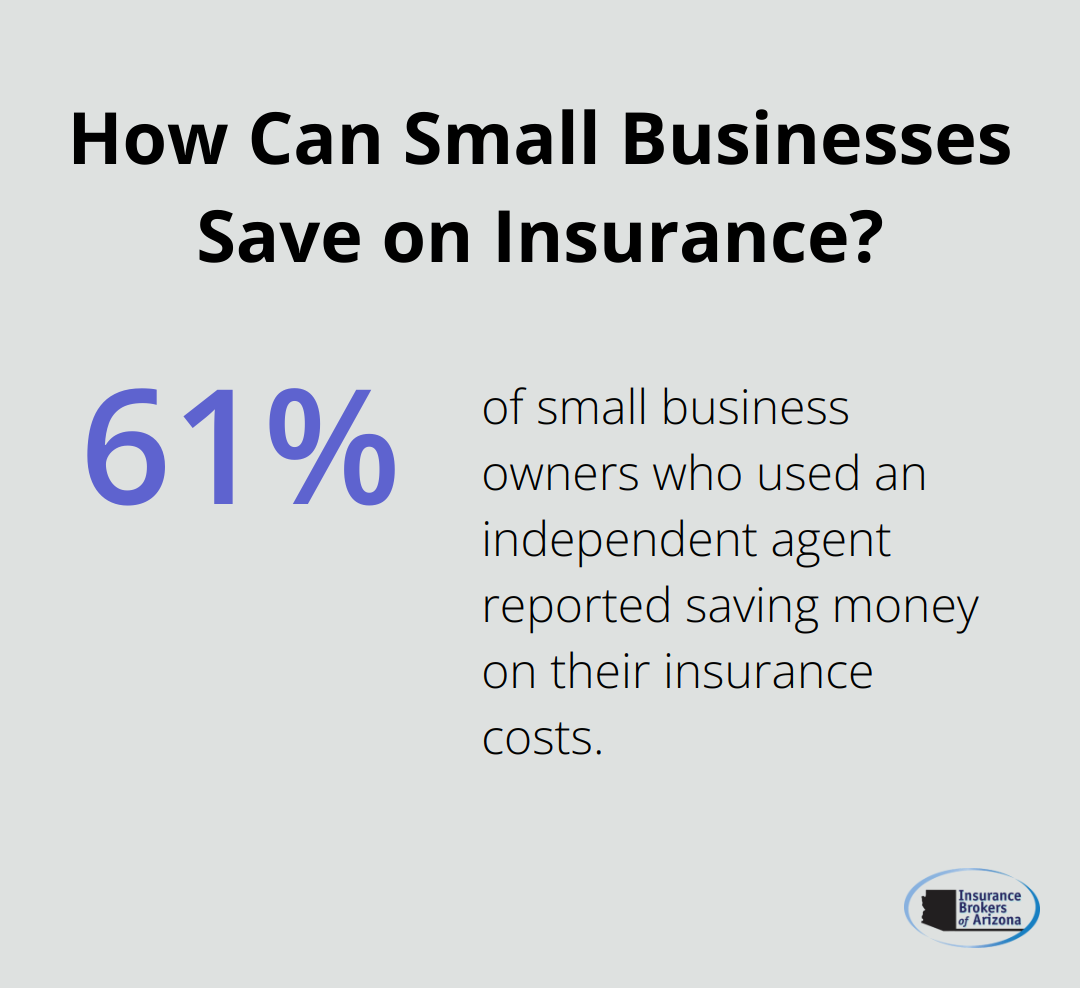
Independent brokers have access to multiple carriers and can often find better rates than you would on your own. They understand the nuances of different industries and can tailor coverage to your specific needs. A survey by the Independent Insurance Agents & Brokers of America found that 83% of small businesses working with independent agents were highly satisfied with their service, compared to 71% who bought directly from carriers.

Infographic: Is Your Business Getting the Best Insurance Deal?

Final Thoughts

Low-cost general liability insurance protects businesses from financial losses due to third-party claims. Companies must balance affordability with adequate coverage to avoid leaving themselves vulnerable to significant risks. Comparing multiple quotes, implementing risk management strategies, and bundling policies can help secure cost-effective insurance without compromising quality.

Infographic: How Can Businesses Reduce Insurance Costs? - low cost general liability insurance

At Insurance Brokers of Arizona®, we help businesses find the right balance between affordability and comprehensive coverage. Our partnerships with over 40 carriers allow us to offer a wide selection of personalized insurance products. We focus on understanding your unique requirements and securing the best rates for your business.

Let us help you safeguard your company’s future while keeping your insurance costs manageable. Our expertise and commitment to exceptional customer service will guide you through the process of obtaining low-cost general liability insurance that provides robust protection for your business. Contact us today to explore your options and secure the right coverage for your needs.

Commercial auto insurance is a must-have for businesses that rely on vehicles. At Insurance Brokers of Arizona®, we understand the importance of finding affordable coverage without compromising on protection.

This guide will show you how to secure the cheapest commercial auto insurance while ensuring your business stays protected on the road. We’ll explore key factors that influence rates and provide practical strategies to lower your premiums.

What Is Commercial Auto Insurance?

Commercial auto insurance provides specialized protection for businesses that use vehicles for work-related purposes. This coverage extends beyond personal auto insurance, offering tailored protection for the unique risks businesses face on the road.

Who Needs Commercial Auto Insurance?

Any business that uses vehicles for work-related tasks requires commercial auto insurance. This includes:

  • Delivery services and trucking companies
  • Florists making deliveries
  • Contractors driving to job sites
  • Realtors showing properties

Key Components of a Commercial Auto Policy

A typical commercial auto policy includes several essential components:

  1. Liability coverage: This protects your business if your vehicle causes injury or property damage to others.
  2. Physical damage coverage: This includes collision and comprehensive protection for your own vehicles from accidents, theft, or other incidents.

Additional Coverages to Consider

Depending on your business needs, you might want to add specialized coverages:

  • Cargo insurance: Protects goods you transport
  • Non-owned auto coverage: Extends protection to employees using their personal vehicles for work tasks

The Cost Factor

The cost of commercial auto insurance varies widely based on factors like:

  • Type of vehicles you use
  • Your industry
  • Claims history

Recent industry data shows the average cost ranges from $1,200 to $2,400 per vehicle annually. However, high-risk industries or specialized vehicles can see significantly higher premiums (up to 50% more in some cases).

Compliance and Legal Requirements

Commercial auto insurance isn’t just a good idea – it’s often a legal requirement. Most states mandate minimum liability coverage for businesses operating vehicles. In Arizona, for example, businesses must carry at least:

  • $15,000 for injury/death per individual
  • $5,000 for property damage

Understanding these requirements is essential to avoid potential legal issues and ensure proper protection for your business. As we move forward, we’ll explore the factors that influence your commercial auto insurance rates and how you can potentially lower your costs.

Infographic: How much does commercial auto insurance cost?

What Drives Commercial Auto Insurance Rates?

Vehicle Specifics Matter

The type of vehicle your business uses significantly impacts your insurance costs. Larger vehicles, such as trucks or vans, typically cost more to insure due to their higher potential for damage in accidents. The Insurance Information Institute found that insuring a commercial truck can cost up to 3 times more than a standard passenger vehicle.

Infographic: How Do Driving Records and Location Affect Business Insurance Costs? - cheapest commercial auto insurance

Usage patterns also play a critical role. Vehicles with high mileage or those operating in high-traffic urban areas face greater risk exposure, leading to higher premiums. Data from the Federal Highway Administration shows that commercial vehicles traveling over 50,000 miles annually can expect insurance rates up to 20% higher than those with lower mileage.

Driver Profiles and Their Impact

Your drivers’ histories are a key factor in determining rates. A clean driving record can lead to substantial savings. Many insurance providers offer discounts of up to 15% on premiums for businesses with drivers who have maintained clean records for three years or more.

Experience also matters. Drivers under 25 or those with less than two years of commercial driving experience are considered higher risk. The National Highway Traffic Safety Administration reports that young drivers are involved in accidents at nearly twice the rate of drivers over 25, which translates to higher insurance costs for businesses employing younger drivers.

Location and Operating Area

Where your business is based and where your vehicles operate can significantly affect your rates. Urban areas with higher traffic density and accident rates typically see higher premiums. For example, businesses operating in Phoenix might face premiums up to 30% higher than those in rural Arizona, due to the increased risk of accidents in densely populated areas.

Your operating radius also matters. Vehicles that travel across state lines or cover large areas may require additional coverage, potentially increasing costs. However, if your operations are primarily local, you might qualify for lower rates.

Safety Record and Claims History

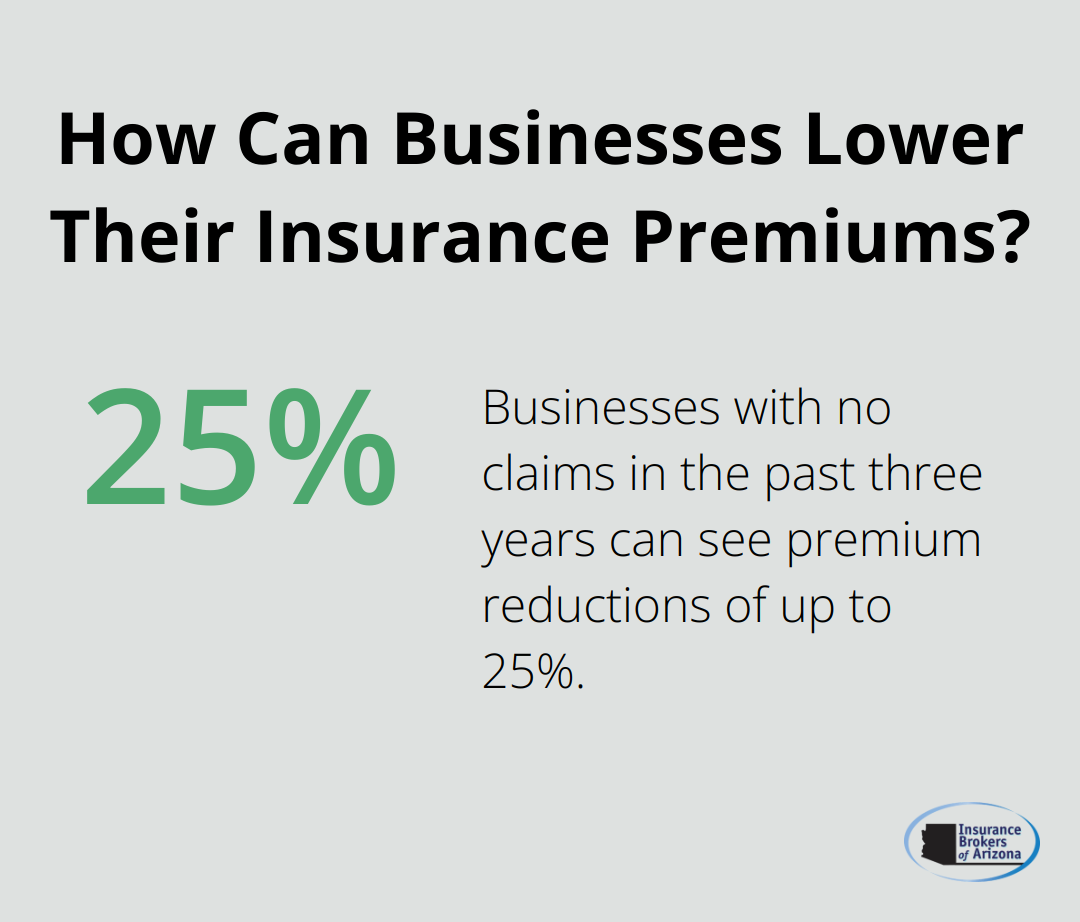
Your business’s safety record and claims history are critical factors. A history of frequent claims can lead to substantially higher premiums. On the flip side, maintaining a clean record can result in significant savings. Some insurers offer safe driver programs that can reduce premiums by up to 20% for businesses with no claims over a three-year period.

Implementing a comprehensive safety program can pay dividends. This might include regular driver training, vehicle maintenance checks, and the use of telematics to monitor driving behavior. Businesses that adopt such programs often see a reduction in accidents and, consequently, in their insurance premiums.

Now that we understand the factors influencing commercial auto insurance rates, let’s explore strategies to lower your costs without compromising on coverage.

How to Cut Commercial Auto Insurance Costs

Compare Multiple Quotes

One of the most effective ways to lower your commercial auto insurance costs is to shop around. Different insurers use varying formulas to calculate risk, resulting in a wide range of prices for the same coverage. A study by the Insurance Information Institute found that comparing just three quotes can save businesses an average of 20% on their premiums.

Infographic: How much can comparing quotes save on commercial auto insurance? - cheapest commercial auto insurance

Don’t settle for the first quote you receive. Take the time to get at least three to five quotes from different providers. This process might seem time-consuming, but the potential savings make it worthwhile. Many insurance comparison websites can streamline this process, allowing you to input your information once and receive multiple quotes quickly.

Leverage Policy Bundling

Combining multiple insurance policies with a single provider often leads to significant discounts. Many insurers offer savings of up to 15% when you bundle commercial auto with other business policies like general liability or property insurance. This approach not only reduces costs but also simplifies your insurance management by consolidating policies under one provider.

Implement a Robust Fleet Safety Program

A comprehensive fleet safety program can dramatically reduce your risk profile and, consequently, your insurance premiums. Key components of an effective program include:

  1. Regular driver training: Ongoing education on safe driving practices can reduce accidents by up to 20% (according to the National Safety Council).
  2. Vehicle maintenance schedules: Well-maintained vehicles are less likely to be involved in accidents due to mechanical failures.
  3. Telematics implementation: Using GPS and other tracking technologies can provide valuable data on driver behavior, potentially leading to premium discounts of up to 25% with some insurers.
  4. Clear safety policies: Establish and enforce strict guidelines on cell phone use, speeding, and other risky behaviors.

Insurers often reward businesses with robust safety programs through lower premiums, as these programs demonstrably reduce accident rates and claims.

Strategic Deductible Adjustments

Increasing your policy deductibles can lead to lower premiums. You agree to pay more out-of-pocket in the event of a claim, taking on more risk, which insurers reward with lower rates. However, it’s important to strike the right balance. Choose a deductible that you can comfortably afford to pay if needed, while still benefiting from premium savings.

A general rule of thumb suggests that raising your deductible from $500 to $1,000 can reduce your premium by up to 25%. However, this varies by insurer and policy type, so it’s worth discussing specific options with your insurance provider.

Conduct Regular Policy Reviews

Your insurance needs can change as your business evolves. Regular policy reviews ensure you’re not overpaying for unnecessary coverage or underinsured in critical areas. Set a reminder to review your policy annually or whenever significant changes occur in your business operations.

During these reviews, consider factors like:

  • Changes in vehicle usage or mileage
  • Updates to your fleet composition
  • Improvements in your safety record
  • New technologies or safety features added to your vehicles

Keeping your insurer informed of positive changes may qualify you for additional discounts or lower rates. Conversely, identifying areas where you need more coverage can prevent costly gaps in protection.

Finding affordable commercial auto insurance can be made simpler with the help of experienced insurance professionals who can guide you through the process and answer all your questions.

Final Thoughts

Securing the cheapest commercial auto insurance requires a strategic approach. You must compare quotes from multiple providers to uncover substantial savings. Implementing a comprehensive fleet safety program and adjusting deductibles can significantly reduce your premiums while maintaining robust protection for your business vehicles.

Infographic: How Can You Slash Your Fleet Insurance Costs?

Working with experienced professionals can make a difference in finding the right coverage at the right price. At Insurance Brokers of Arizona®, we specialize in helping businesses find tailored commercial auto insurance solutions. Our team’s expertise in Arizona’s insurance landscape allows us to navigate the complexities of commercial auto policies.

Don’t let the search for affordable commercial auto insurance overwhelm you. Reach out to Insurance Brokers of Arizona® today, and let us help you find the perfect balance of cost and coverage for your business vehicles (with access to over 40 reputable carriers). You can drive forward with confidence, knowing your business is protected on the road ahead.