
Home Fire Insurance Coverage: What You Need to Know
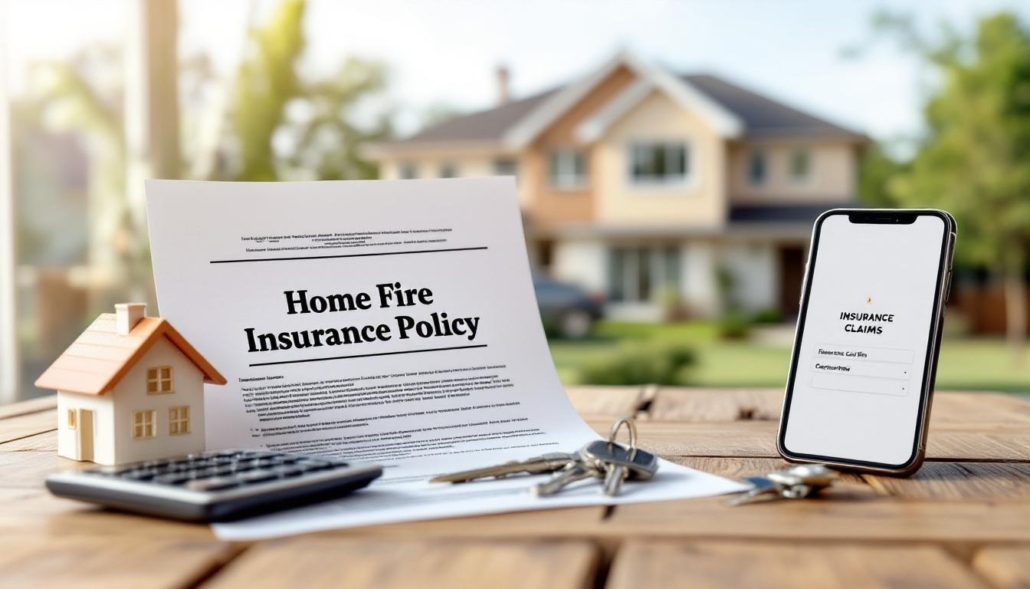
Fire can destroy a home in minutes, yet most homeowners don’t fully understand their home fire insurance coverage. At Insurance Brokers of Arizona®, we’ve seen firsthand how gaps in coverage leave families vulnerable when they need protection most.
This guide walks you through what standard policies cover, where the holes are, and how to build a protection plan that actually works for your situation.
What Does Home Fire Insurance Actually Cover
Standard Coverage and Common Exclusions
Standard homeowners insurance covers fire damage to your home’s structure, other structures on the property like detached garages, and personal belongings inside, according to the National Association of REALTORS. Most policies cover accidental fires from electrical malfunctions, lightning, candles, and grease fires, but they exclude damage from negligence, arson, or poor maintenance. This distinction creates real problems for homeowners who assume they’re protected when they’re not. If you caused a fire through reckless behavior or ignored obvious hazards, your insurer will reject the claim outright. Additionally, standard policies typically don’t cover fires caused by nuclear hazards or government action, though these exclusions rarely matter in practice. The critical step is reading your actual policy document, not just the summary your broker provides, because coverage gaps hide in the details of what your specific insurer considers a covered peril versus an excluded one.
Replacement Cost Versus Actual Cash Value
Your payout method determines whether you rebuild or suffer a financial loss on top of losing your home. Actual Cash Value pays the depreciated amount of what you lost, so a ten-year-old roof might be worth only 30 percent of its replacement cost. Replacement Cost coverage pays what you actually need to rebuild or replace items at current prices, which is dramatically different. If your home costs $400,000 to rebuild today but your Actual Cash Value policy only pays $280,000 after depreciation, you’re out $120,000 before you even start repairs.

Most homeowners should demand Replacement Cost coverage because the extra premium is minimal compared to the protection gap. Some policies offer extended Replacement Cost or inflation protection riders that automatically adjust your coverage limit as construction costs rise, which matters significantly in Arizona’s growing real estate market. Smoke damage and water damage from firefighting efforts also fall under standard coverage but sometimes only for a limited period (occasionally up to one year according to some policies). The distinction between these two approaches isn’t theoretical-it determines whether you can actually rebuild your life or live with permanent loss.
What Fire Damage Claims Actually Include
Fire damage claims involve more than just burn marks on walls. Standard policies cover damage to the home structure itself, but also smoke damage, soot damage, and water damage from firefighting efforts or burst pipes caused by heat. Loss of Use coverage, sometimes called Additional Living Expenses, pays for temporary housing, meals, and other costs while your home is uninhabitable-but you must keep receipts and document every expense to get reimbursed. Debris removal and demolition costs are typically covered, though limits apply. Landscaping damage including destroyed trees and plants usually has a per-tree limit around $500, though mature trees can be valued up to $5,000 each according to standard policy language. Contents coverage reimburses destroyed furniture, electronics, clothing, and other belongings, but sub-limits often apply to jewelry, cash, and collectibles, meaning you might only recover a fraction of their value.
Documentation That Protects Your Claim
You should document everything with photos and video before any fire occurs, keeping receipts in a secure location or backed up electronically. When fire destroys your home, you’ll need this evidence to prove what you owned and substantiate your claim for full reimbursement. The specifics of what you lost matter enormously when adjusters evaluate your claim, and vague descriptions lead to lower payouts. Start now by photographing your belongings, recording serial numbers, and storing this information safely. This preparation transforms a chaotic claims process into one where you control the narrative about what you actually owned and what it cost to replace.
Understanding Coverage Limits and Hidden Gaps
Your policy contains specific limits on different types of coverage, and these limits create real gaps that leave you underprotected. Valuable items like jewelry, art, or collectibles often have sub-limits that pay only a fraction of their actual value unless you schedule them separately on your policy. Additional Living Expenses coverage has time limits (sometimes 12 months) that may not cover your entire displacement if rebuilding takes longer. These gaps become obvious only when you file a claim, which is far too late to add protection. The next section explores the major gaps that standard policies leave unaddressed and how these exclusions affect homeowners in Arizona’s specific fire environment.
Where Standard Fire Insurance Falls Short
Wildfire Exclusions in High-Risk Areas
In high wildfire risk areas across Arizona, private insurers often refuse coverage or exclude wildfire damage entirely from standard homeowners policies. According to the National Association of REALTORS, some insurers in these zones won’t underwrite new policies at all, forcing homeowners toward non-admitted surplus lines carriers that operate outside standard state regulations. These surplus lines policies cost significantly more and offer limited protections compared to standard market coverage.

If your home sits in a wildfire zone and you can’t find traditional coverage, you’ll likely end up in a FAIR plan (Fair Access to Insurance Requirements), which exists as a safety net in most states but charges higher premiums and provides less comprehensive protection than private policies.
The real trap occurs when homeowners assume their standard policy covers wildfire damage-it typically doesn’t. You must explicitly ask your insurer whether wildfire exclusions apply to your specific property and request coverage details in writing. If an insurer denies you coverage due to wildfire risk, contact your state insurance commissioner for information about alternative options and fire risk maps that influence underwriting decisions.
Negligence and Arson: Complete Coverage Rejection
Damage caused by negligence or arson creates a different problem: your insurer will reject the entire claim without exception. If you caused a fire through reckless behavior, ignored obvious fire hazards, or someone in your household committed arson, the policy simply won’t pay. This isn’t a technicality-it’s a fundamental boundary in insurance contracts that protects the system from paying for intentional or grossly negligent losses.
Additional Living Expenses: Time Limits That Catch You Off Guard
Additional Living Expenses coverage, which reimburses temporary housing and meals while your home is uninhabitable, sounds straightforward but contains critical limitations that catch homeowners off guard. Most policies cap this coverage at 12 months, yet rebuilding a home often takes longer, especially in Arizona’s competitive construction market. You must track every receipt for lodging, groceries, and related expenses because insurers require proof of actual costs incurred.
Start keeping these records immediately after a fire, photograph your temporary living situation, and submit claims promptly rather than waiting until the end of your displacement. If rebuilding extends beyond your policy’s time limit, you’ll cover the remaining costs yourself, making it essential to understand your specific time limits before disaster strikes. This gap between coverage limits and actual rebuilding timelines creates significant financial exposure that most homeowners don’t anticipate until they’re already displaced and facing months of uncovered expenses.
Building Your Fire Insurance Strategy
Calculate Your True Replacement Cost, Not Market Value
The gap between what you think you’re covered for and what you actually are covered for costs homeowners thousands of dollars every year. The solution starts with understanding your home’s true replacement cost, not its market value-these are completely different numbers. A home worth $500,000 on the market might cost $650,000 to rebuild due to labor, materials, and code compliance requirements in Arizona.
Your insurance agent should conduct a detailed replacement cost analysis of your specific property, accounting for square footage, construction type, finishes, and local building code upgrades required post-fire. Request this analysis in writing and update it every two to three years as construction costs rise. Arizona’s construction market has seen material costs increase roughly 5 to 8 percent annually over the past five years, meaning a policy adequate in 2023 may leave you underprotected by 2026.
Demand Professional Assessment Over Online Estimates
Don’t rely on online calculators or rough estimates. Demand a professional assessment that itemizes your dwelling coverage, other structures coverage, and personal property limits separately. Once you have accurate replacement cost figures, compare them directly against your current policy limits. If your limits fall short, you face a coverage gap that no discount will solve.
Add Endorsements That Protect Against Rising Costs
Arizona homeowners in wildfire zones absolutely need extended replacement cost endorsements and inflation protection riders that automatically increase your limits annually. These additions typically cost 5 to 10 percent more but prevent the catastrophic scenario where rebuilding costs exceed your policy limit mid-project. Additionally, scheduled personal property coverage for jewelry, art, firearms, or collectibles is non-negotiable if you own items worth more than standard sub-limits allow.
Standard policies cap jewelry coverage at $1,500 to $2,500 regardless of actual value, making separate scheduling essential for anyone with engagement rings, watches, or inherited pieces. Request quotes from multiple carriers with identical coverage specifications-not just dwelling limits but also deductibles, Additional Living Expenses periods, and any wildfire exclusions.

Compare Quotes and Identify Carrier-Specific Discounts
Comparing three or more quotes reveals premium variations of 20 to 40 percent for identical protection, and some carriers offer discounts for home safety features like fire-resistant roofing, updated electrical systems, or proximity to fire hydrants. Ask each insurer specifically about their wildfire exclusion policies and whether they’ll cover your property given current risk assessments.
If traditional carriers decline you, non-admitted surplus lines carriers can provide coverage in high-risk areas, though these policies cost more and operate outside state guaranty fund protections. Shop annually because rates and underwriting appetite change constantly. A carrier that declined you last year might accept you today, or your current insurer might increase rates dramatically if fire risk assessments change. Keep detailed records by requesting quotes in writing and saving correspondence from each insurer.
Final Thoughts
Home fire insurance coverage protects your family’s financial security, but only if you understand what your policy actually covers and where gaps exist. Most homeowners discover their coverage limitations after a fire destroys their home, when it’s far too late to add protection. You now know that standard policies exclude wildfire damage in high-risk areas, reject claims from negligence or arson, and cap Additional Living Expenses at timeframes that rarely match actual rebuilding timelines.
Start by requesting a detailed replacement cost analysis from your current insurer and compare that figure against your actual policy limits. If your home costs $650,000 to rebuild but your policy limits are $500,000, you have a $150,000 gap that no discount will solve. Update this analysis every two to three years because Arizona’s construction costs rise consistently, making policies adequate today potentially insufficient by 2026.
Shop your coverage with at least three carriers, requesting identical specifications so you can compare apples to apples. Ask each insurer directly about wildfire exclusions, Additional Living Expenses time limits, and available discounts for fire-resistant features. At Insurance Brokers of Arizona®, we work with over 40 reputable carriers to find home fire insurance coverage that actually protects your specific situation rather than leaving you with gaps.
Disclaimer: The information provided in this blog is for general informational purposes only and does not constitute legal, financial, or insurance advice. Coverage options, terms, and availability may vary. Please consult with a licensed professional for advice specific to your situation.


