Factors Affecting Commercial Property Insurance Cost
Commercial property insurance cost is a critical consideration for business owners. At Insurance Brokers of Arizona®, we understand the complexities involved in determining these expenses.
Many factors influence the price of protecting your commercial real estate. This post explores the key elements that shape your insurance premiums, helping you make informed decisions about your coverage.
How Building Features Impact Insurance Costs
At Insurance Brokers of Arizona®, we understand that the physical characteristics of your building significantly influence commercial property insurance premiums. Let’s explore the key factors that shape your insurance costs.
Size and Age: Big Influencers
The size of your property directly affects insurance costs. Larger buildings typically require higher coverage limits, which leads to increased premiums. For instance, a 50,000 square foot warehouse will generally cost more to insure than a 5,000 square foot retail space.
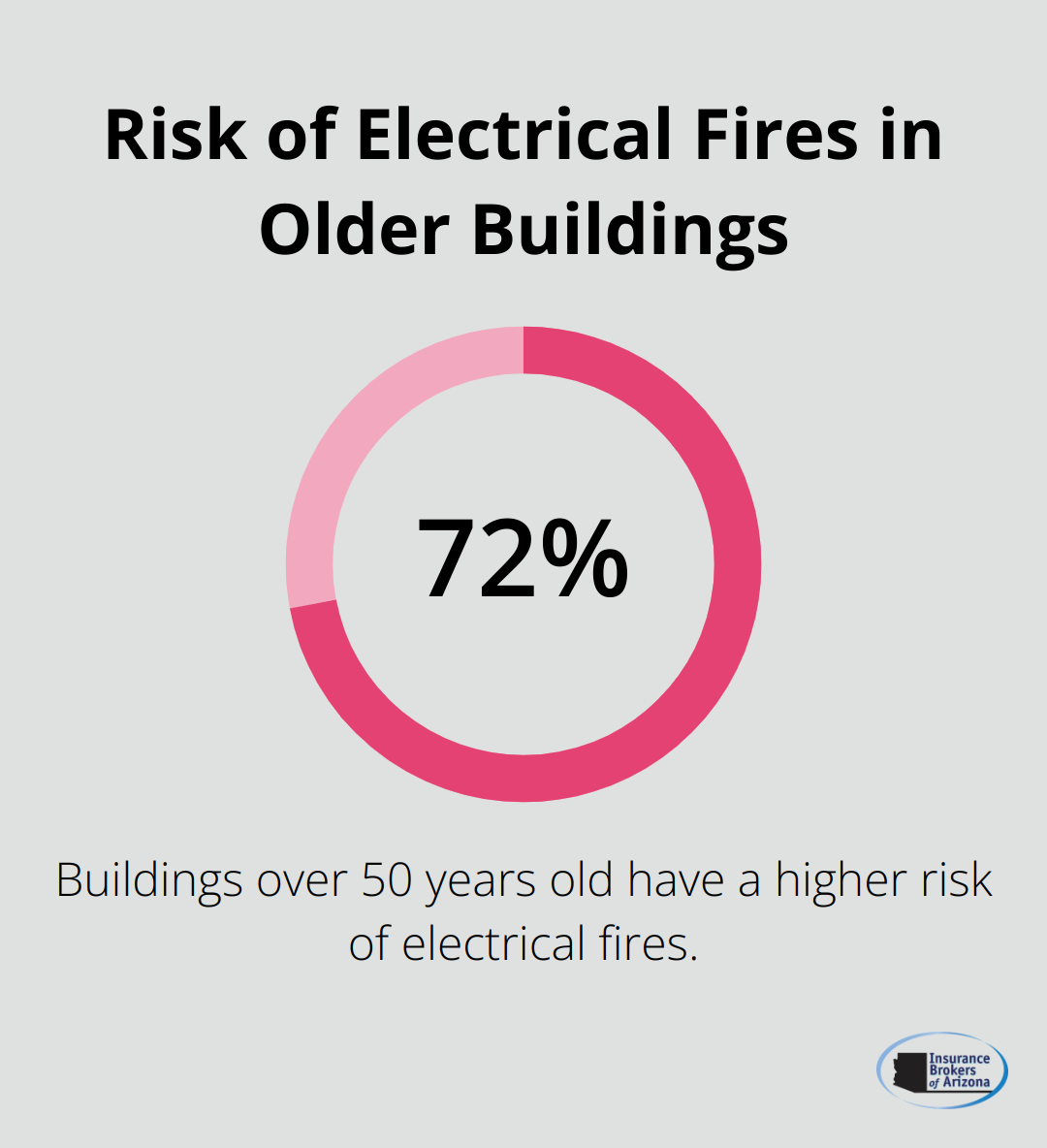
Age also plays a critical role. Older buildings often have outdated electrical systems, plumbing, and roofing, which increase the risk of fire, water damage, and other issues. The National Fire Protection Association reports that buildings over 50 years old are 72% more likely to experience electrical fires.
Construction Quality: A Risk Determiner
The materials used in your building’s construction significantly impact insurance rates. Fire-resistant materials like concrete and steel can lead to lower premiums compared to wood-frame structures. A study by the Insurance Institute for Business & Home Safety found that buildings with fire-resistant roofing materials were 40% less likely to suffer severe damage during wildfires.
Location: A Prime Factor
Your property’s location is a major determinant of insurance costs. Urban areas with higher population density and traffic often face increased risks of accidents and property damage. Rural locations might have lower crime rates but could be further from fire stations, potentially increasing response times during emergencies.
Natural disaster risks vary greatly by region. Properties in flood-prone areas or earthquake zones face higher premiums. For example, commercial properties in Florida’s coastal areas can pay up to 5 times more for hurricane coverage compared to inland locations.
Crime rates in your neighborhood also affect insurance costs. Areas with high theft or vandalism rates will see increased premiums. The FBI’s Uniform Crime Reporting statistics provide insights into local crime trends, helping you understand potential risks.
Risk Mitigation: Lowering Your Costs
To mitigate these location-based risks, you should invest in security systems, fire suppression equipment, and storm-resistant features. These improvements can not only enhance safety but also potentially reduce your insurance premiums.
Understanding these factors will help you make informed decisions about your commercial property and insurance needs. As we move forward, let’s examine how your business operations and property use further influence your insurance costs.
How Your Business Operations Impact Insurance Costs
At Insurance Brokers of Arizona®, we understand that your business operations significantly influence your commercial property insurance costs. The nature of your business, occupancy rates, safety measures, and regulatory compliance all play key roles in determining your premiums.
Business Type and Risk Profile
Different businesses carry varying levels of risk, which directly affect insurance costs. For example, restaurants with open flames and hot cooking surfaces typically face higher premiums than standard office spaces due to increased fire risk. The National Fire Protection Association reports that cooking equipment is involved in nearly 30% of structure fires in eating and drinking establishments.
Manufacturing facilities often see higher insurance costs due to the presence of heavy machinery and potentially hazardous materials. In contrast, a small retail store might enjoy lower premiums, especially if it doesn’t handle high-value inventory.
Occupancy and Tenant Mix
Your property’s occupancy rate and the mix of tenants can significantly influence insurance costs. A fully occupied building generally presents lower risks than a partially vacant one, which could be more susceptible to vandalism or deterioration. The Insurance Information Institute reports that vacant properties are at a 2-3 times higher risk for property damage claims compared to occupied ones.
If you’re a landlord, the type of tenants you have matters too. A property housing multiple high-risk businesses (such as chemical storage facilities or nightclubs) will likely face steeper insurance premiums than one with low-risk tenants (like accounting firms or bookstores).
Safety Measures and Security Systems
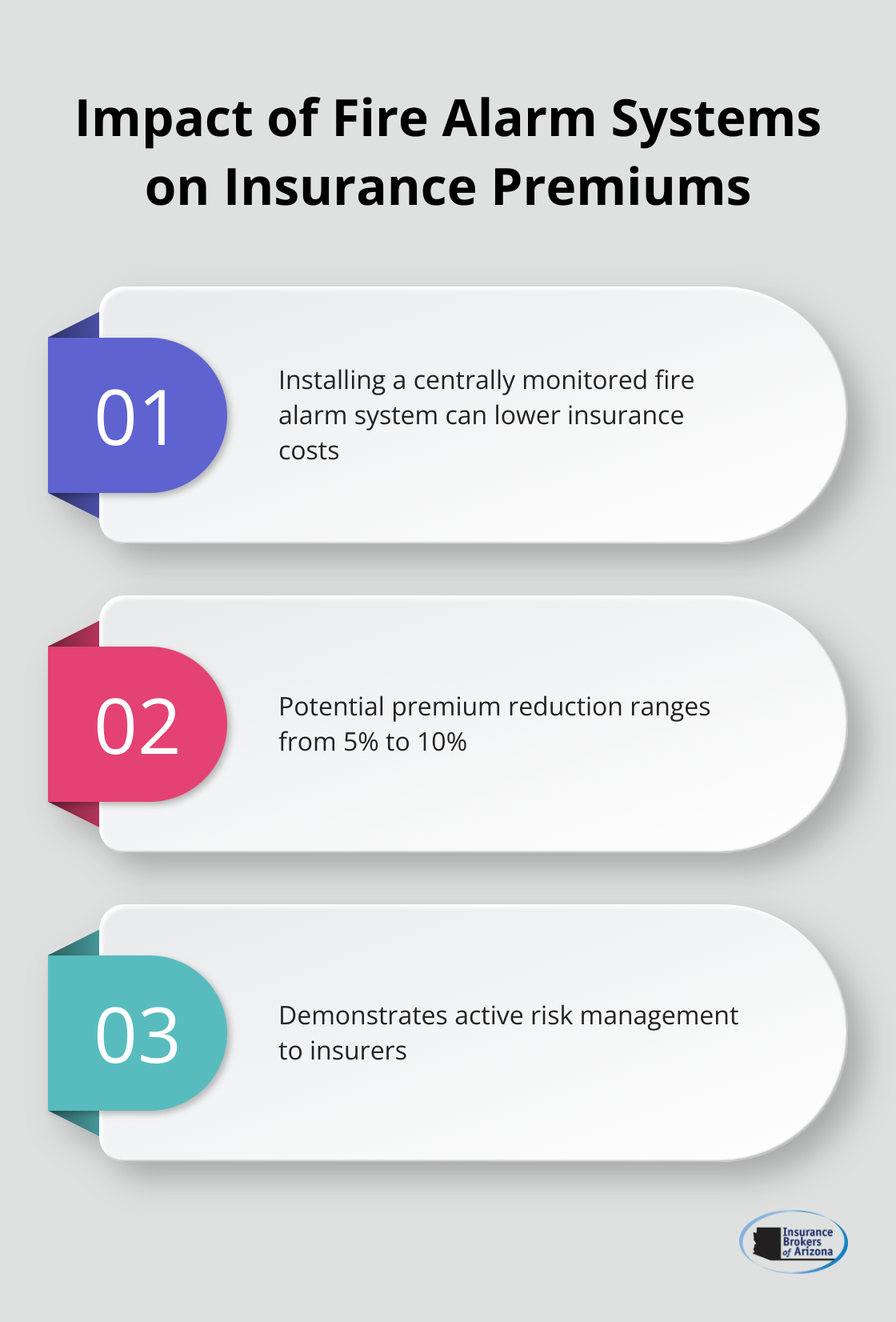
The implementation of robust safety measures and security systems can lead to substantial insurance savings. Modern fire suppression systems, burglar alarms, and surveillance cameras not only protect your property but also demonstrate to insurers that you actively manage risks.
For instance, the installation of a centrally monitored fire alarm system can potentially reduce your premium by 5-10%. Similarly, properties with 24/7 security personnel often qualify for discounts, as they’re less likely to experience break-ins or vandalism.
Building Code Compliance
Staying up-to-date with local building codes and regulations is essential for managing insurance costs. Properties that meet or exceed current standards are often viewed more favorably by insurers. This is particularly important in areas prone to natural disasters, where adherence to updated building codes can significantly improve a structure’s resilience.
For example, in hurricane-prone regions, buildings constructed to withstand high winds may qualify for wind mitigation credits, potentially reducing insurance premiums by up to 45%, according to studies by the Insurance Institute for Business and Home Safety.
As we explore the factors that shape your commercial property insurance costs, it’s clear that your business operations play a significant role. Next, we’ll examine how your coverage options and policy details further influence your insurance expenses.
How Your Policy Shapes Your Costs
Coverage Types and Their Impact
The types of coverage you select directly influence your insurance expenses. Basic property damage coverage is essential, but adding business interruption insurance can increase your premiums by 10-20%. This additional cost can protect your business if operations halt due to a covered event. The Federal Emergency Management Agency reports that 40% of businesses never reopen after a disaster, which underscores the importance of comprehensive coverage.
Deductibles and Limits: Striking the Right Balance
Your deductible amount plays a key role in determining your premium. Choosing a higher deductible can lower your monthly costs, but it means you’ll pay more out-of-pocket when filing a claim. For example, raising your deductible from $1,000 to $5,000 could reduce your premium by up to 25%. However, it’s important to ensure you can afford the higher deductible if needed.
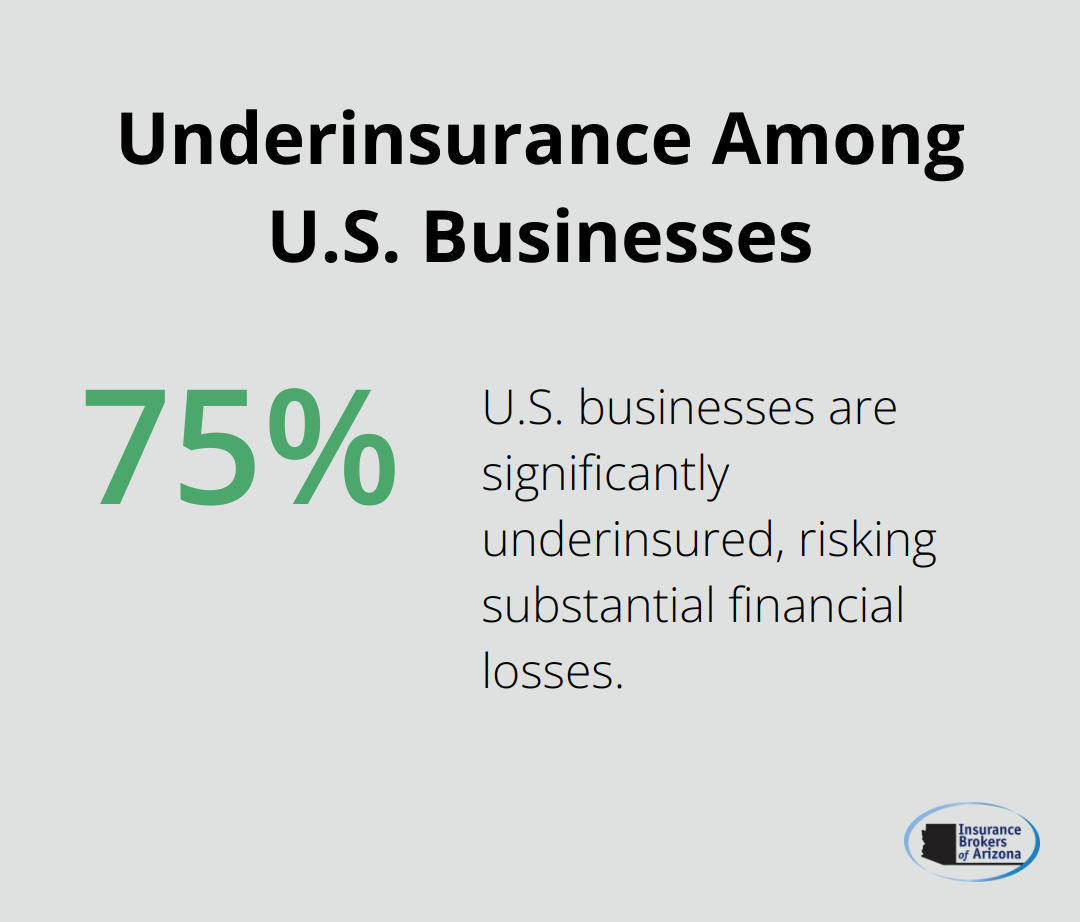
Policy limits also affect your costs. While it might seem attractive to lower your limits to reduce premiums, underinsuring your property can lead to significant financial losses if a major event occurs. The Insurance Information Institute reports that 75% of businesses in the U.S. are underinsured by 40% or more, which puts them at substantial risk.
Specialized Coverage: Customizing Your Protection
Additional endorsements or riders can provide critical protection for specific risks but will increase your overall insurance costs. For instance, adding flood coverage in high-risk areas can double your premium, but it’s essential protection if your property sits in a flood-prone zone. Similarly, earthquake endorsements in seismic regions can increase premiums by 10-20% but offer vital protection against a potentially catastrophic event.
The Importance of Your Insurance History
Your claims history significantly impacts your insurance costs. A record of frequent claims can lead to higher premiums (or even difficulty obtaining coverage). On the other hand, a clean claims history can result in lower rates. Some insurers offer claims-free discounts of up to 20% for businesses that haven’t filed a claim in three to five years.
Your insurance score, which is based on your credit history, also plays a role. A study by the Federal Trade Commission found that individuals with lower credit scores are more likely to file insurance claims, leading insurers to charge higher premiums for those with poor credit.
Business Type and Size
Your business type and size significantly influence your general liability insurance costs. High-risk industries like construction or manufacturing typically face higher premiums due to the increased likelihood of accidents or property damage.
Final Thoughts
Commercial property insurance costs depend on numerous factors, including building characteristics, business operations, and policy choices. Your property’s location, size, age, and construction quality all affect risk assessment and premiums. Safety measures, building code compliance, and coverage types also play significant roles in determining insurance expenses.
A clean claims history and good insurance score can lead to lower rates, while frequent claims or poor credit might increase premiums. Regular review and updates of your coverage ensure adequate protection as your business grows and market conditions shift.
We at Insurance Brokers of Arizona® offer personalized solutions tailored to your specific needs. Our network of over 40 reputable carriers allows us to secure competitive rates while providing comprehensive coverage for your commercial property.


